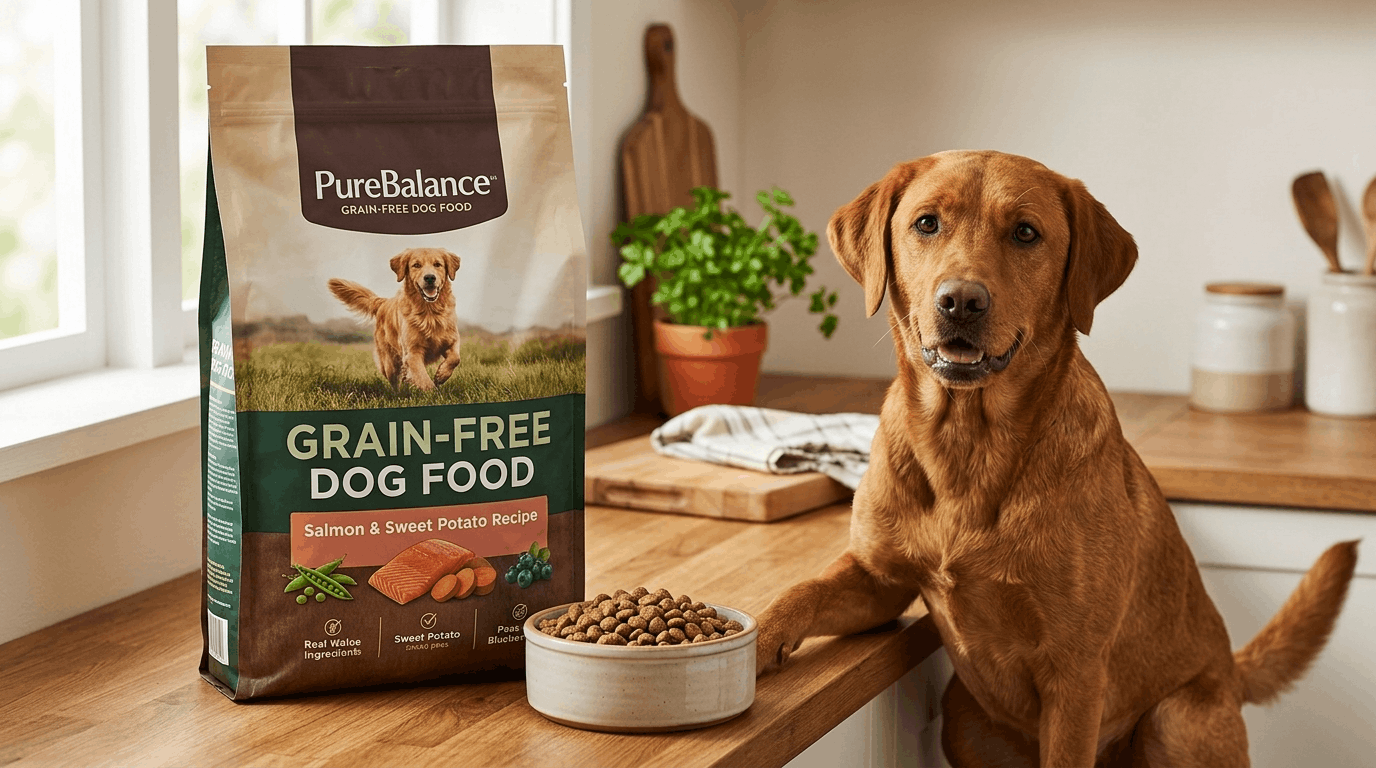
When it comes to your dog’s diet, making the right choice can feel overwhelming, especially with so many options on the market today. One topic that continues to spark debate is grain free dog safety, and many pet owners want to know whether removing grains is truly beneficial or potentially harmful. While this feeding trend has gained popularity for its perceived health advantages, understanding the facts behind it is essential before making any changes to your dog’s routine.
At its core, grain free dog safety depends on how the diet is formulated and whether it meets your dog’s nutritional needs. Dogs are not strict carnivores, and over time, they have developed the ability to digest a wide range of foods, including grains. Because of this, removing grains does not automatically make a diet healthier. Instead, it shifts the balance of nutrients, which can have both positive and negative effects depending on the ingredients used.
What Grain Free Diets Actually Contain
To better understand grain free dog safety, it is important to look beyond the label and examine what replaces grains in these formulas. Typically, manufacturers substitute grains like wheat, rice, or corn with ingredients such as potatoes, lentils, peas, or chickpeas. These alternatives still provide carbohydrates, but they also alter the protein and fiber content of the food.
Because of this shift, some grain free recipes rely more heavily on plant-based ingredients. While these can offer nutritional value, they may not always deliver the same balance as traditional formulations. Therefore, grain free dog safety often comes down to ingredient quality and overall nutritional completeness rather than the absence of grains alone.
Why Pet Owners Consider Grain Free Options
Many dog owners explore grain free diets because they believe grains are a common cause of allergies or digestive problems. However, true grain allergies are relatively uncommon in dogs. In fact, most food sensitivities are linked to specific protein sources rather than grains.
That said, grain free dog safety can still be relevant for dogs with confirmed sensitivities. In those cases, removing grains may help reduce symptoms such as itching, ear infections, or stomach upset. Additionally, some pet owners are influenced by marketing claims that present grain free diets as more natural or closer to what dogs would eat in the wild. While this idea is appealing, it does not always reflect the full nutritional needs of modern domesticated dogs.
Potential Health Concerns to Be Aware Of
In recent years, veterinarians and researchers have raised concerns about a possible connection between certain diets and heart health, particularly a condition known as dilated cardiomyopathy. This has brought increased attention to grain free dog safety, especially in diets that rely heavily on legumes or specific plant-based ingredients.
Although the exact cause of this issue is still under investigation, some experts believe that certain formulations may affect how dogs absorb essential nutrients like taurine. As a result, not all grain free diets carry the same level of risk, but it is important to choose carefully. Opting for well-researched brands and seeking veterinary guidance can help reduce potential concerns while still supporting your dog’s overall health.
Possible Benefits of Grain Free Feeding
Despite the concerns, grain free diets can offer advantages when used appropriately. For dogs that genuinely struggle with grain-related sensitivities, removing those ingredients may lead to noticeable improvements in comfort and digestion. In these situations, grain free dog safety becomes less about trend and more about targeted nutrition.
Additionally, some formulations emphasize higher protein levels, which may benefit active dogs or those needing muscle support. However, it is important to ensure that protein sources are high quality and easily digestible. Balance remains the most critical factor, as too much reliance on certain ingredients can create new issues over time.
How to Choose the Right Diet for Your Dog
Selecting a safe and effective diet requires more than simply following trends. Instead, evaluating the overall formulation is key to ensuring grain free dog safety. Look for products that meet recognized nutritional standards and have undergone feeding trials, as this indicates they provide complete and balanced nutrition.
It is also helpful to review the ingredient list carefully. High-quality animal proteins should be a primary component, supported by a balanced mix of vitamins and minerals. Avoid foods that depend too heavily on a single type of carbohydrate substitute, as this can lead to nutritional gaps if not properly managed.
Monitoring your dog’s response is equally important. Changes in coat condition, energy levels, and digestion can provide valuable insight into how well the diet is working. If any issues arise, making adjustments early can prevent long-term complications and ensure your dog stays healthy.
Understanding Individual Dietary Needs
Every dog has unique nutritional requirements, which means there is no universal answer when it comes to feeding decisions. Factors such as age, breed, activity level, and existing health conditions all influence what type of diet will be most effective. Because of this, grain free dog safety should always be considered in the context of your dog’s specific situation.
For example, a young and active dog may benefit from a different nutrient balance than an older pet with lower energy needs. By tailoring your approach to your dog’s lifestyle, you can create a feeding plan that supports both immediate health and long-term wellness.
When Grain Free Feeding Makes Sense
There are certain scenarios where grain free diets can be a practical choice. Dogs with confirmed sensitivities or intolerances may experience relief when grains are removed from their meals. In these cases, the focus shifts from general preference to addressing a specific health concern.
Additionally, some dogs may simply thrive on a well-formulated grain free diet. If you observe consistent improvements in digestion, energy, and overall condition, the diet may be suitable as part of a long-term plan. However, regular veterinary check-ups remain essential to ensure that all nutritional needs continue to be met.
When to Proceed with Caution
On the other hand, switching to a grain free diet without a clear reason can introduce unnecessary risks. If your dog is already doing well on a balanced diet that includes grains, there may be little benefit in making a change. In fact, abrupt dietary shifts can sometimes lead to digestive upset or nutrient imbalances.
It is also important to avoid relying solely on marketing claims. While grain free products are often positioned as premium options, they are not automatically superior. Focusing on ingredient quality and nutritional balance will always provide better results than following trends alone.
Expert Advice and Ongoing Research
Veterinary professionals generally recommend a thoughtful approach when evaluating grain free diets. While they can be beneficial in certain cases, they are not essential for every dog. Ongoing research continues to explore the relationship between diet and long-term health, which means recommendations may evolve over time.
In the meantime, working closely with a veterinarian can help you make informed decisions based on your dog’s individual needs. By staying informed and attentive, you can adjust your approach as needed and ensure your pet receives the best possible care.
Conclusion
Grain free dog safety is not a simple yes-or-no issue, but rather a matter of balance, quality, and individual needs. While these diets can offer benefits for certain dogs, they also require careful selection to avoid potential risks. By focusing on complete nutrition, monitoring your dog’s response, and seeking professional guidance, you can make confident choices that support your pet’s health.
Ultimately, the goal is not to follow trends, but to provide a diet that keeps your dog happy, active, and thriving. With the right approach, you can navigate the complexities of modern pet nutrition and ensure your dog enjoys a long and healthy life.
FAQ
1. Is grain-free food necessary for most dogs?
No, most dogs can thrive on balanced diets that include grains unless they have specific sensitivities.
2. Can diet affect a dog’s heart health?
Yes, certain formulations may influence heart health, which is why choosing balanced nutrition is important.
3. How can I tell if my dog has a food sensitivity?
Watch for signs like itching, digestive issues, or recurring ear problems and consult a veterinarian.
4. Are alternative carbohydrates safe for dogs?
They can be safe when used in balanced formulas, but quality and variety are important.
5. Should I consult a vet before changing my dog’s diet?
Yes, professional guidance helps ensure the diet meets your dog’s nutritional needs.