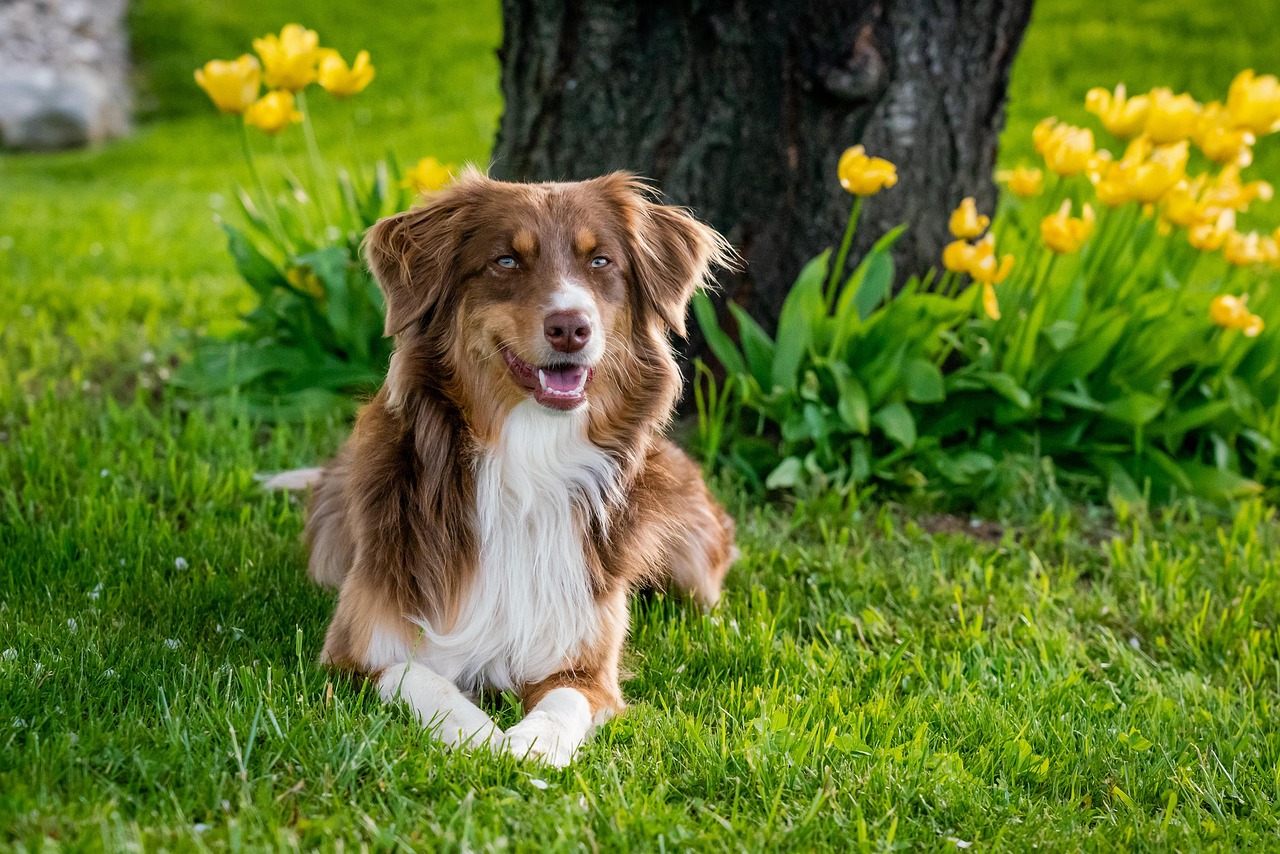
Exploring the Great Outdoors with Your Large Canine Companion
Going on outdoor adventures with your large canine companion can be one of the most rewarding experiences for both pet and owner. Large dogs, known for their energy and stamina, are perfect companions for various outdoor activities. This article will guide you through the essentials of outdoor adventures with large dogs, ensuring safety, enjoyment, and a strong bonding experience.
Choosing the Right Outdoor Activities
When planning outdoor activities with your large dog, it’s crucial to consider the physical and mental needs of your pet. Popular activities include hiking, swimming, and frisbee or ball games. Each activity provides excellent exercise and mental stimulation but remember to gauge your dog’s interest and stamina.
Hiking with Your Dog
Hiking is a fantastic way to explore nature. Before embarking, check if the trails are dog-friendly. Always keep your dog on a leash unless in a designated off-leash area, and ensure your pet is well-behaved around other people and pets. Carry enough water for both you and your dog, and consider your dog’s paw health, as rough terrains can be hard on them.
Swimming for Fun and Fitness
Swimming is excellent for dogs as it’s easy on the joints while providing a good workout. Start in shallow waters to gauge your dog’s comfort and swimming ability. Remember not all dogs are natural swimmers, especially some large breeds.
Interactive Games Outdoors
Interactive games such as fetch or tug-of-war can be great for your dog’s physical and mental stimulation. Use durable toys designed for large breeds to withstand strong jaws and vigorous play.
Training and Safety Tips
Ensuring your large dog is well-trained is vital for a safe outdoor adventure. Basic commands like ‘sit’, ‘stay’, ‘come’, and ‘leave it’ are essential. Socialization is equally important to ensure your dog behaves well around other animals and people.
Leash and Harness Tips
Invest in a sturdy leash and harness. A harness is preferable for large dogs as it offers better control and distributes pressure evenly across the chest, reducing strain on the neck and back.
Recall Training
Recall training is crucial, particularly in the event your dog gets loose. Practice this command frequently, starting in low distraction environments and gradually move to places with more distractions.
Health Checks and Gear
Before heading out, ensure your dog is physically capable of enduring the activity planned. Routine checks with a veterinarian are advisable to assess your dog’s health. Also, pack necessary gear like food, water, a first aid kit, and protective gear depending on the weather and terrain.
Nutrition and Hydration
Carry sufficient dog food, possibly high-energy snacks, and plenty of water. Hydration packs for dogs are available and quite convenient on longer treks.
Protective Gear
In colder climates, consider insulated coats or booties to protect your dog’s paws from icy conditions. In warmer weather, a cooling vest can help manage your dog’s temperature.
Leave No Trace Principles
Practicing ‘Leave No Trace’ principles is essential. Always clean up after your dog and aim to minimize the ecological impact of your visit.
Building Memories
Documenting your trips with photos or keeping a journal can help cherish these moments. These memories build over time, enhancing the bond between you and your large canine companion.
FAQs
What are the best types of trails for large dogs?
Opt for trails that match your dog’s fitness level. Avoid excessively steep or rocky trails which can be hard on your dog’s joints.
How can I tell if my dog is getting too tired?
Signs of fatigue include excessive panting, slowing down, or lagging behind. Always monitor your dog’s behavior and take breaks as needed.
What should I do if my dog gets injured?
Carry a basic pet first aid kit and familiarize yourself with common treatments. In case of serious injury, contact a vet immediately.
Conclusion
Exploring the great outdoors with your large canine companion provides a unique opportunity to strengthen your bond while enjoying the beauty of nature. With the right preparation, training, and equipment, these adventures can be safe, enjoyable, and fulfilling for both you and your pet.