Bringing a dog into a home with small children can be one of life’s greatest joys. The right family dog doesn’t just become a pet—it becomes a playmate, a protector, and a lifelong friend. But not every breed is naturally suited for the energy and unpredictability that comes with kids. Choosing wisely ensures harmony, safety, and years of unforgettable memories.
Why Choosing the Right Family Dog Matters
A good family dog can enrich your household in countless ways. The right breed will match your family’s lifestyle, energy levels, and temperament. Dogs teach children empathy, responsibility, and unconditional love. However, a poor match can lead to stress for both the dog and the family. That’s why selecting the right breed matters—it sets the tone for years of happy companionship.
Imagine bringing home a dog that loves your child’s endless games of fetch, remains calm when toys fly around, and gently accepts cuddles from tiny hands. That’s the kind of relationship every parent hopes for.
Key Qualities to Look for in a Family-Friendly Dog
Before diving into specific breeds, it helps to understand what makes a dog great with children. The best family dogs share several important traits:
- Gentle Temperament: A calm nature is essential for living with small children.
- Patience: Kids are learning boundaries; a patient dog can handle accidental rough play.
- Playfulness: Dogs with a love for games and interaction keep children engaged.
- Trainability: Smart, obedient dogs integrate easily into busy family routines.
- Energy Balance: The ideal dog matches your family’s activity level—neither too hyper nor too lazy.
A breed that combines these qualities often becomes a beloved family member for years to come.
Top Dog Breeds for Families With Small Children
Now, let’s look at the breeds that consistently rank among the best companions for families with little ones.
Labrador Retriever: The Classic Family Companion
If there’s one breed that defines the term “family dog,” it’s the Labrador Retriever. Labs are affectionate, intelligent, and endlessly loyal. They have a natural love for children and thrive in active households.
Labs are also easy to train, making them a favorite among first-time dog owners. Whether it’s fetching a ball in the yard or joining a weekend hike, they’re always eager to be part of the fun. Their gentle nature and adaptability make them ideal companions for growing families.
Golden Retriever: Gentle, Loyal, and Playful
Golden Retrievers are another top contender for families with small children. Known for their calm demeanor and affectionate spirit, Goldens blend perfectly into homes with kids.
They adore attention, enjoy playtime, and rarely show aggression. Their intelligence and eagerness to please make them easy to train. With proper care and daily activity, they form deep, loving bonds that last a lifetime. If you want a loyal companion who’s patient and fun-loving, a Golden Retriever is hard to beat.
Beagle: Small Size, Big Heart
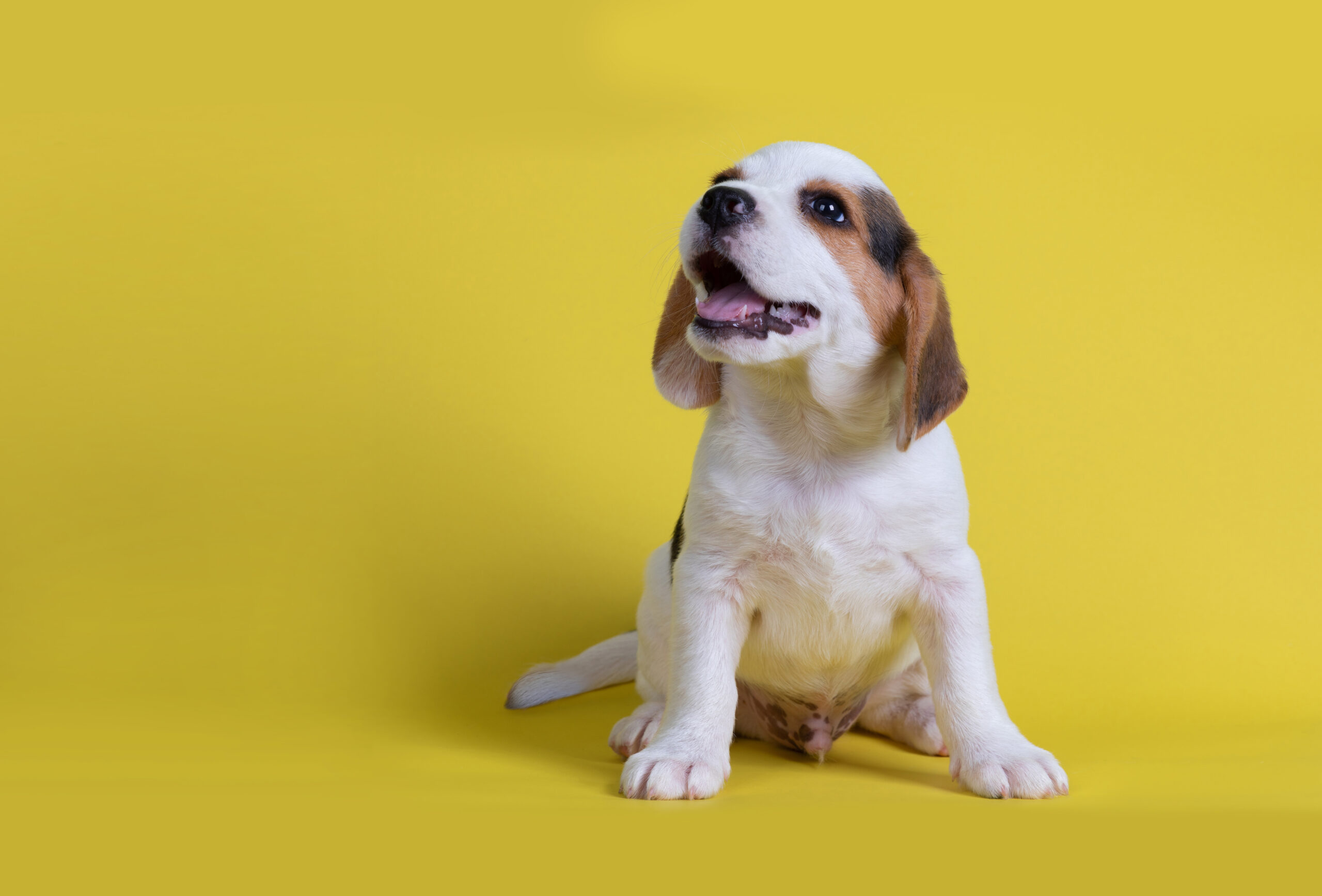
Beagles might be smaller in size, but their personalities are full of energy and charm. These friendly hounds love company and thrive on play. Their size makes them perfect for families with limited space or small homes.
Beagles are curious explorers, so they’ll keep up with your kids’ sense of adventure. With early training and daily walks, they’re affectionate, cheerful companions that blend seamlessly into family life.
Cavalier King Charles Spaniel: A Loving Lap Dog
If you prefer a smaller, gentler breed, the Cavalier King Charles Spaniel is an excellent choice. These dogs are affectionate and thrive on companionship. They love cuddling with kids, joining in quiet playtime, or resting calmly beside you on the couch.
Their gentle personality makes them wonderful for families seeking a loving, low-maintenance pet. They’re friendly with strangers and other pets, too—a true social butterfly of the dog world.
Poodle: Intelligent and Allergy-Friendly
Poodles, available in toy, miniature, and standard sizes, adapt beautifully to different family setups. They’re among the smartest dog breeds, known for their quick learning and playful personality.
What sets Poodles apart is their hypoallergenic coat, making them ideal for families with allergy concerns. They’re friendly, alert, and affectionate, always eager to join family activities while keeping an eye on their little human companions.
Boxer: Energetic and Protective
Boxers are a powerhouse of fun and loyalty. Despite their muscular appearance, they are gentle giants with children. They’re known for their patience, energy, and protective instincts—qualities that make them both playful companions and dependable guardians.
A well-trained Boxer loves to run, play, and participate in every family adventure. They thrive on attention and return it tenfold with affection and loyalty.
Bichon Frise: Cheerful and Hypoallergenic
The Bichon Frise is a small bundle of joy, perfect for families who prefer smaller, low-shedding dogs. Their cotton-like coat is hypoallergenic, and their cheerful personality brings life to any home.
Bichons love playing with children and get along well with other pets. Their gentle nature and adaptability make them one of the most endearing family dogs you can find.
How to Introduce a New Dog to Young Children
Bringing a new dog home requires patience and structure. Children should learn how to interact safely and kindly with their new furry friend. Start by teaching gentle touch and respect for the dog’s space.
Let the dog explore the home slowly. Supervise early interactions to ensure both sides feel safe and relaxed. Gradual exposure builds trust, helping the dog understand that the children are part of its family “pack.”
Routine also helps—feeding, walking, and playtime at consistent times make the dog feel secure in its new environment.
Training and Socialization Tips for Family Dogs
Training plays a vital role in creating harmony between your dog and your children. Begin with basic commands like “sit,” “stay,” and “come.” These lay the foundation for good behavior.
Early socialization—introducing your dog to various people, sounds, and environments—builds confidence. Positive reinforcement works wonders: reward good behavior with treats, praise, or play.
Involve children in the training process where appropriate. When kids help teach commands, it strengthens the bond and teaches mutual respect.
Safety and Supervision: Building a Happy Relationship
No matter how gentle your dog is, supervision around small children is essential. Kids should learn never to pull tails, grab ears, or disturb the dog while it’s eating or sleeping.
Parents play a key role in teaching both dog and child boundaries. Over time, respect and consistency create a relationship based on trust and affection.
With proper supervision, your dog becomes more than a pet—it becomes a loyal family member that grows alongside your children.
Conclusion
Finding the best dog breeds for families with small children isn’t about trends or looks—it’s about personality, temperament, and connection. Whether you choose a Labrador, a Golden Retriever, or a playful Beagle, the right dog will bring endless laughter, comfort, and companionship to your home.
With love, patience, and the right match, your family will gain not just a pet but a lifelong friend who watches over your children and fills your home with joy.
FAQ
1. What is the best dog breed for small children?
Labrador Retrievers and Golden Retrievers are among the best due to their gentle, loyal, and patient nature.
2. Are small dogs good for families with kids?
Yes, breeds like Beagles, Cavaliers, and Bichon Frises are great small dogs for children when properly trained and socialized.
3. How do I prepare my home for a new dog?
Create a safe, quiet space with a bed, food, and water. Remove hazards and establish feeding and potty routines early.
4. Can I leave my dog alone with my child?
It’s best not to. Even the calmest dogs should always be supervised around small children to ensure everyone’s safety.
5. How do I help my child bond with our new dog?
Encourage gentle play, shared walks, and participation in feeding and grooming to build trust and friendship between them.