Training a dog can be one of the most rewarding experiences for any pet owner. But let’s be honest—some breeds simply pick up commands faster than others. Whether you’re a first-time dog parent or an experienced trainer, choosing a breed known for its intelligence, eagerness, and adaptability can make all the difference. In this guide, we’ll explore the easiest dog breeds to train, what makes them so cooperative, and how to bring out their best behavior.
Why Some Dog Breeds Are Easier to Train
Not all dogs are wired the same way. Just like humans, each breed has unique traits, instincts, and temperaments. Breeds that are easier to train typically share a few characteristics: intelligence, focus, sociability, and a desire to please their owners.
Dogs bred for work—like herding, retrieving, or assisting—tend to respond quickly to commands. Their history of teamwork and obedience gives them a natural edge when it comes to structured learning. Meanwhile, breeds bred primarily for independence, like hunting or guarding, may take a bit more patience.
Transitioning into training, you’ll find that breeds eager for mental stimulation often enjoy the process itself. For them, training isn’t a chore—it’s a game they’re thrilled to play.
1. Border Collie
The Border Collie tops nearly every list of the easiest dogs to train. Renowned for their sharp intelligence and boundless energy, they thrive when they have a job to do. Originally bred to herd sheep, Border Collies are incredibly observant and quick to respond to cues.
They’re often seen in obedience competitions and agility sports, not because they have to be—but because they love the challenge. If you keep their minds active with new tricks, they’ll reward you with unmatched loyalty and enthusiasm.
Training Tip: Incorporate problem-solving games and regular exercise. A bored Border Collie can get mischievous!
2. Labrador Retriever
The Labrador Retriever isn’t just America’s favorite family dog—it’s also one of the most trainable breeds in the world. Labs are friendly, adaptable, and eager to please. They’re commonly trained as service dogs, therapy companions, and search-and-rescue partners for good reason.
Labs respond best to positive reinforcement. They love praise, treats, and especially attention. This combination of smarts and affection makes them an excellent choice for beginners looking for an easy-to-train pet.
Training Tip: Keep sessions fun and short. Labs can be distracted if training gets repetitive.
3. Golden Retriever
It’s no surprise that the Golden Retriever makes this list. Known for their gentle nature and intelligence, Goldens have an innate desire to make their owners happy. They’re patient, cooperative, and especially good with kids, making them perfect family dogs.
These dogs excel in obedience, agility, and therapy work. Their emotional intelligence allows them to pick up on their owner’s mood, making training sessions smoother and more intuitive.
Training Tip: Use lots of encouragement and variety. Goldens love learning new things and thrive on human interaction.
4. Poodle
Don’t let the fancy haircuts fool you—the Poodle is one of the smartest and most obedient breeds out there. Whether it’s a Standard, Miniature, or Toy Poodle, these dogs are quick learners with sharp instincts. They were bred to retrieve waterfowl, which explains their focus and responsiveness.
Poodles love mental challenges. They’re excellent problem solvers who can learn complex tricks with ease. Their intelligence also makes them adaptable to different environments, from busy cities to quiet countryside homes.
Training Tip: Mix physical activity with brain games to prevent boredom. Poodles excel when both mind and body are engaged.
5. German Shepherd
The German Shepherd is the epitome of a loyal working dog. Used worldwide by police, military, and rescue teams, this breed is known for its courage, intelligence, and strong work ethic. They’re natural learners who quickly understand commands and routines.
Training a German Shepherd is a joy if done with consistency and respect. They need clear leadership but respond beautifully to positive methods rather than force.
Training Tip: Start socialization early. A confident German Shepherd is both protective and well-mannered.
6. Papillon
The Papillon may be small, but their intelligence rivals that of much larger breeds. These elegant little dogs are alert, energetic, and surprisingly easy to train. Their name—meaning “butterfly” in French—comes from their wing-like ears and lively personality.
Papillons excel in agility and obedience sports. They enjoy learning tricks and take direction well, making them perfect companions for those who want a small, smart, and enthusiastic pet.
Training Tip: Keep sessions upbeat and reward frequently. Papillons thrive on positivity.
7. Shetland Sheepdog
Often called the “Sheltie,” the Shetland Sheepdog is another herding breed that loves to learn. They’re sensitive, responsive, and deeply connected to their owners. Because they were bred to work closely with humans, they naturally seek cooperation and approval.
Shelties are known for their quick learning ability and their knack for reading body language. They’re happiest when they feel useful and engaged.
Training Tip: Provide gentle direction and avoid harsh tones. Shelties are very sensitive to voice and emotion.
8. Doberman Pinscher
The Doberman Pinscher is often misunderstood as aggressive, but in truth, they’re one of the most loyal and intelligent breeds around. Their alertness, discipline, and loyalty make them excellent working dogs and devoted companions when properly trained.
Dobermans need consistent structure and early obedience training. Once they know what’s expected, they’re incredibly reliable and eager to please.
Training Tip: Maintain a calm, confident energy. Dobermans respect authority but respond best to positive guidance.
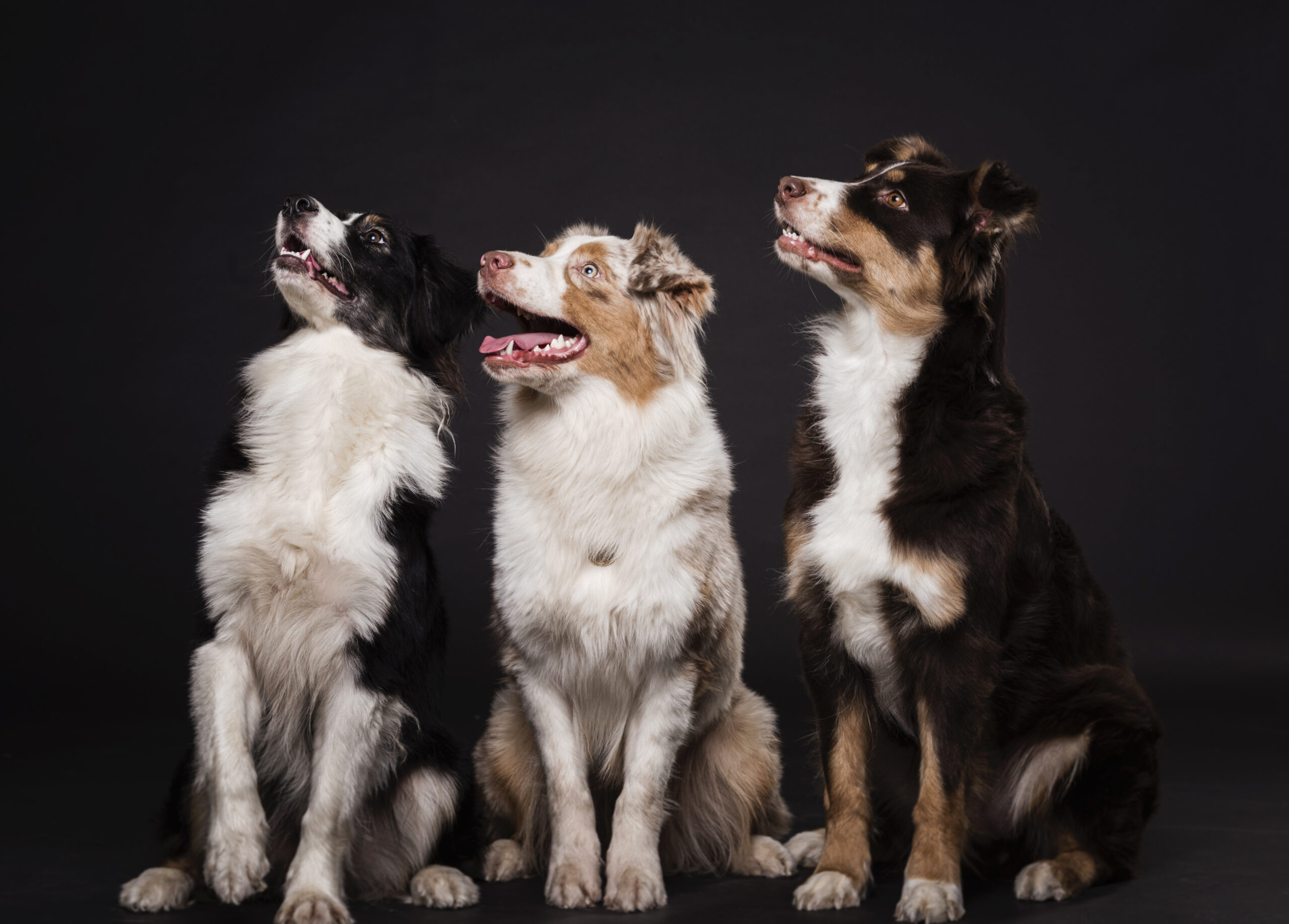
9. Australian Shepherd
The Australian Shepherd is an energetic, clever herding dog that craves activity. Their drive to work and solve problems makes them quick learners. They respond to direction almost instinctively, which is why they’re common stars in agility sports and obedience contests.
These dogs love to be challenged mentally and physically. They’re best suited for active owners who can match their enthusiasm and provide plenty of structure.
Training Tip: Keep training dynamic. Mix commands, add new tricks, and include play to maintain engagement.
10. Rottweiler
While Rottweilers may look intimidating, they’re loyal, intelligent, and surprisingly sensitive dogs. When trained properly, they form deep bonds and are quick to learn commands. Their strong protective instincts can be shaped into disciplined obedience with the right approach.
Rottweilers love consistency. They respond best to confident, calm handlers who use positive reinforcement. When treated with respect, they become some of the most devoted companions you could ask for.
Training Tip: Combine obedience sessions with socialization to build trust and balance their instincts.
Tips for Training Any Dog Successfully
Even the easiest dog breeds to train need structure and consistency. Success doesn’t depend only on breed—it depends on your relationship with your pet. Here’s how to set yourself up for success:
- Use positive reinforcement: Dogs learn faster when rewarded for good behavior. Treats, praise, and playtime all work wonders.
- Keep sessions short: Focused, frequent sessions (10–15 minutes) are more effective than long ones.
- Be patient: Every dog learns at its own pace. Celebrate progress instead of focusing on mistakes.
- Stay consistent: Use the same words, gestures, and expectations daily.
- Socialize early: Expose your pup to people, sounds, and environments to build confidence.
Remember, training is about communication, not control. When your dog trusts and understands you, they’ll follow your lead naturally.
Final Thoughts
Choosing one of the easiest dog breeds to train can make life with your furry friend smoother, but it’s not the whole story. Every dog has a personality, and your patience, consistency, and love play a huge role in their success. Whether it’s a Border Collie mastering agility or a Golden Retriever learning to fetch the paper, training builds a bond that lasts a lifetime.
The best-trained dogs aren’t just obedient—they’re confident, happy, and deeply connected to their humans. And that’s the real reward of training.
FAQs
1. What is the easiest dog breed to train for beginners?
The Labrador Retriever is often considered the easiest breed for beginners due to its friendly nature and eagerness to learn.
2. How long does it take to train a dog?
It depends on the breed and consistency. Most dogs learn basic commands within 4–6 weeks of daily practice.
3. Are small dogs harder to train than large ones?
Not necessarily. Breeds like Papillons and Poodles are small but incredibly intelligent and quick learners.
4. Can older dogs still be trained?
Absolutely. While puppies learn faster, older dogs can still adapt with patience and positive reinforcement.
5. What’s the key to successful dog training?
Consistency, positivity, and building trust are the three pillars of effective and lasting dog training.