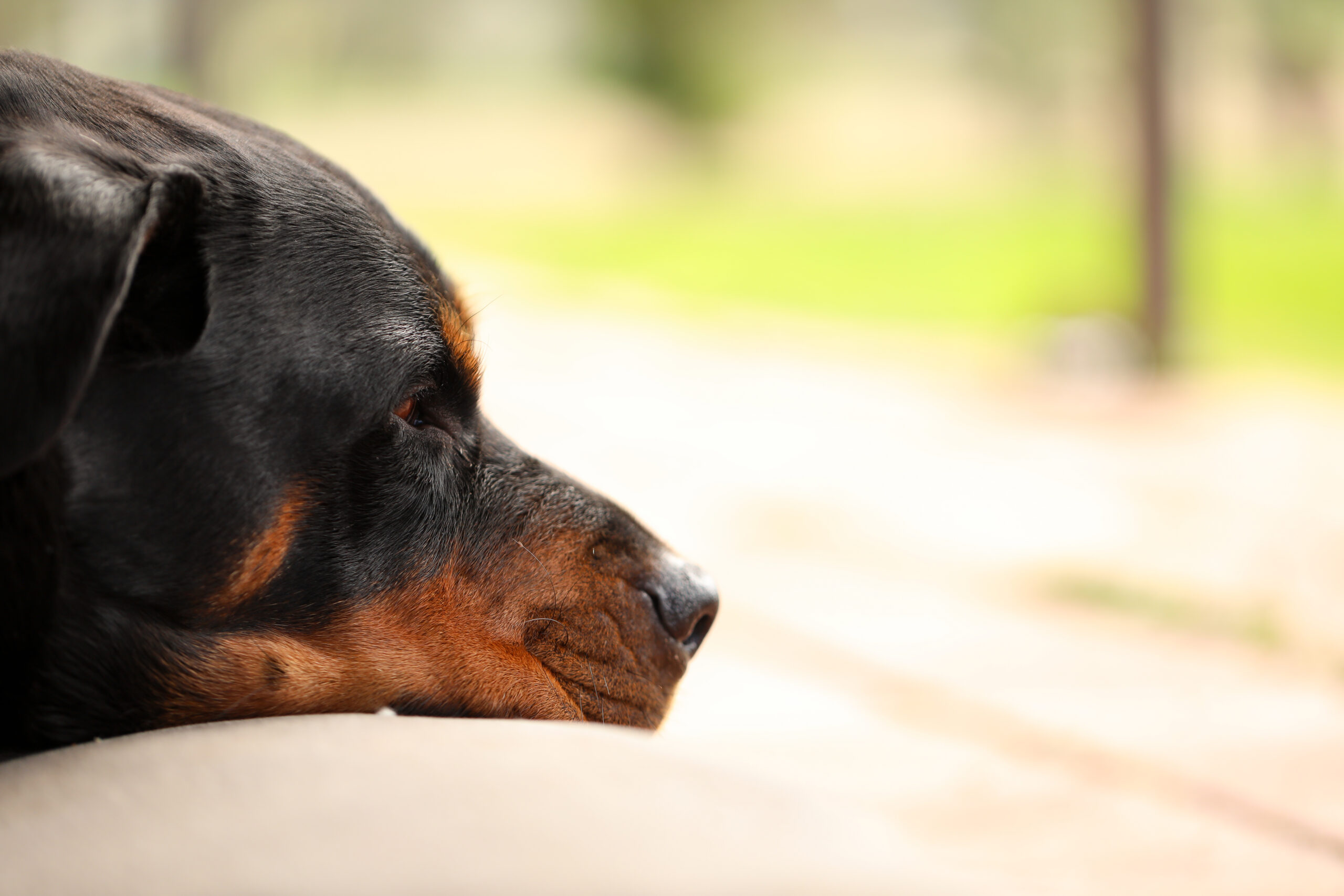
Leaving your dog home alone can tug at your heartstrings, can’t it? You grab your keys, head for the door, and see those sad puppy eyes staring back. It’s enough to make anyone feel guilty. But beyond that emotional tug, your dog might genuinely feel lonely when you’re gone. Just like humans, dogs crave companionship, affection, and routine. When that’s missing for hours each day, they can develop behaviors that reveal their loneliness loud and clear.
Let’s uncover the seven unmistakable signs your dog feels lonely when left home alone—and what you can do to turn that loneliness into comfort and calm.
1. Destructive Behavior Around the House
Does your pup chew shoes, shred pillows, or dig through the trash when you’re away? That’s not just mischief—it’s a cry for attention. Dogs often act out destructively when they feel anxious or lonely. Chewing or tearing objects releases stress and helps them cope with the silence and isolation.
If this sounds familiar, your dog isn’t being “bad.” They’re trying to fill the emptiness left when their favorite human walks out the door. To ease this, offer puzzle toys or safe chew options before leaving. A stuffed Kong or a snuffle mat can keep their mind busy while you’re away.
For more ideas on preventing destructive habits, check out resources on dog training methods from trusted animal behavior experts.
2. Excessive Barking or Whining
If your neighbors complain about your dog’s nonstop barking, it’s not just noise—it’s a distress signal. Dogs communicate loneliness through vocalization. Barking, whining, or howling are ways of saying, “Where did you go?” or “I miss you!”
Sometimes, this happens right after you leave. Other times, it continues for hours, indicating separation anxiety. Providing background noise, like soft music or a TV, can offer comfort. Some pet parents even find that an audio recording of their voice calms their dogs.
If the barking becomes constant, consider consulting a certified dog behaviorist to assess for separation anxiety.
3. Clingy or Overexcited Greetings
Ever notice how your dog practically leaps into your arms when you get home? While excitement is normal, extreme clinginess can signal that your dog feels lonely or insecure. They may follow you from room to room or refuse to let you out of sight again.
This “velcro dog” behavior is their way of saying, “I missed you too much.” Reassure them with gentle affection but try not to reward overexcitement. Instead, wait until they calm down before giving attention. Over time, this teaches them that your departures and returns are normal—not something to panic over.
4. Changes in Appetite or Sleeping Habits
A lonely dog might show changes in daily habits. They may lose interest in food or, conversely, eat more out of boredom. You might also notice that your dog sleeps much more when you’re not home.
Dogs thrive on social interaction and routine. When they’re alone, they can feel unmotivated and lethargic—similar to how humans feel when isolated. Keep their energy balanced with consistent feeding times and daily exercise. If the loss of appetite persists, consult your vet to rule out medical issues before assuming it’s purely emotional.
5. Pacing or Restlessness
When dogs feel anxious or lonely, they may pace back and forth, unable to relax. This repetitive movement helps them manage stress, much like humans fidget when nervous. You might also spot this behavior right before you leave or immediately after you return home.
To reduce pacing, establish a calm pre-departure routine. Avoid making a big scene when leaving—no dramatic goodbyes. A calm exit helps your dog understand that alone time is temporary and safe.
You can also create a comfort zone in your home—perhaps a cozy bed near a window, with familiar scents and favorite toys. For inspiration, check guides on creating safe spaces for dogs.
6. House Soiling Despite Training
If your well-trained dog suddenly starts having accidents indoors, it could be emotional rather than physical. Dogs sometimes urinate or defecate inside the house out of stress or anxiety caused by loneliness. It’s their way of expressing distress or trying to mark their space to feel secure again.
Never punish your dog for this. Instead, focus on identifying the trigger. Gradual desensitization—leaving the house for short intervals and returning before they panic—can help rebuild trust. Over time, they’ll realize being alone doesn’t mean abandonment.
7. Loss of Interest in Play or Walks
If your dog seems less eager to fetch their favorite toy or go for a walk, loneliness may be weighing on their spirit. Dogs are social by nature, and extended isolation can make them withdrawn or depressed. You might notice them lying around more or refusing to engage in activities they once loved.
To counter this, schedule regular interactive play sessions. Even ten minutes of tug-of-war or training before leaving can make a big difference. You can also consider dog daycare or pet sitters—a wonderful way to keep your pup stimulated and socially connected.
How to Help a Lonely Dog Feel Better
Understanding the signs your dog feels lonely is only the first step. Now, let’s explore how to make them feel happier and more secure when you’re not around.
Here are a few proven ways to help:
- Leave enrichment toys: Interactive toys keep their minds busy.
- Use scent or sound comfort: Leave an item that smells like you.
- Hire a dog walker: A midday walk breaks up long hours alone.
- Create a predictable routine: Dogs love consistency—it builds trust.
- Adopt a companion: In some cases, another dog can ease loneliness.
Always remember: the goal isn’t to eliminate alone time—it’s to make it emotionally manageable. When dogs trust that you’ll always return, their anxiety naturally decreases.
The Emotional Side of Canine Loneliness
Many pet owners underestimate how deeply dogs can feel. They may not speak, but their emotional world is complex. A lonely dog isn’t just bored—they can experience sadness, anxiety, and even depression.
This is especially true for social breeds like Labradors, Border Collies, and Golden Retrievers. They crave attention and thrive on connection. When they’re deprived of it, their behavior changes dramatically.
Think of your dog as part of your emotional ecosystem. Your absence leaves a gap they feel in every quiet corner of your home. Reassuring them through love, structure, and patience can rebuild their confidence and calm.
When to Seek Professional Help
If your dog’s loneliness turns into extreme distress—constant howling, destruction, or health changes—it may be time to seek help. Veterinarians and certified animal behaviorists can identify whether it’s true separation anxiety or another behavioral issue.
Treatment might include desensitization training, calming supplements, or even medication in severe cases. The earlier you address it, the faster your dog can feel like their happy, tail-wagging self again.
Conclusion
Your dog depends on you not just for food and shelter, but for companionship and love. When your dog feels lonely, it shows in their behavior, emotions, and overall well-being. By recognizing the signs and taking proactive steps, you’re not just fixing bad habits—you’re nurturing their happiness.
So the next time you walk out the door, remember: a few small changes can turn your dog’s lonely hours into peaceful ones. Because for them, your presence is the heart of their world.
FAQs
1. How can I tell if my dog feels lonely when I’m gone?
Common signs include excessive barking, destructive behavior, clinginess, and changes in eating or sleeping habits.
2. Can another pet help reduce my dog’s loneliness?
Yes, many dogs feel comforted with another animal companion, though introductions should be slow and supervised.
3. What’s the difference between loneliness and separation anxiety in dogs?
Loneliness is mild emotional discomfort, while separation anxiety involves intense distress and behavioral outbursts.
4. Should I leave the TV or music on for my dog?
Yes, gentle background noise can mimic human presence and reduce feelings of isolation.
5. How long is too long to leave a dog alone?
Most adult dogs should not be left alone for more than 6–8 hours. Puppies and seniors need more frequent company and breaks.