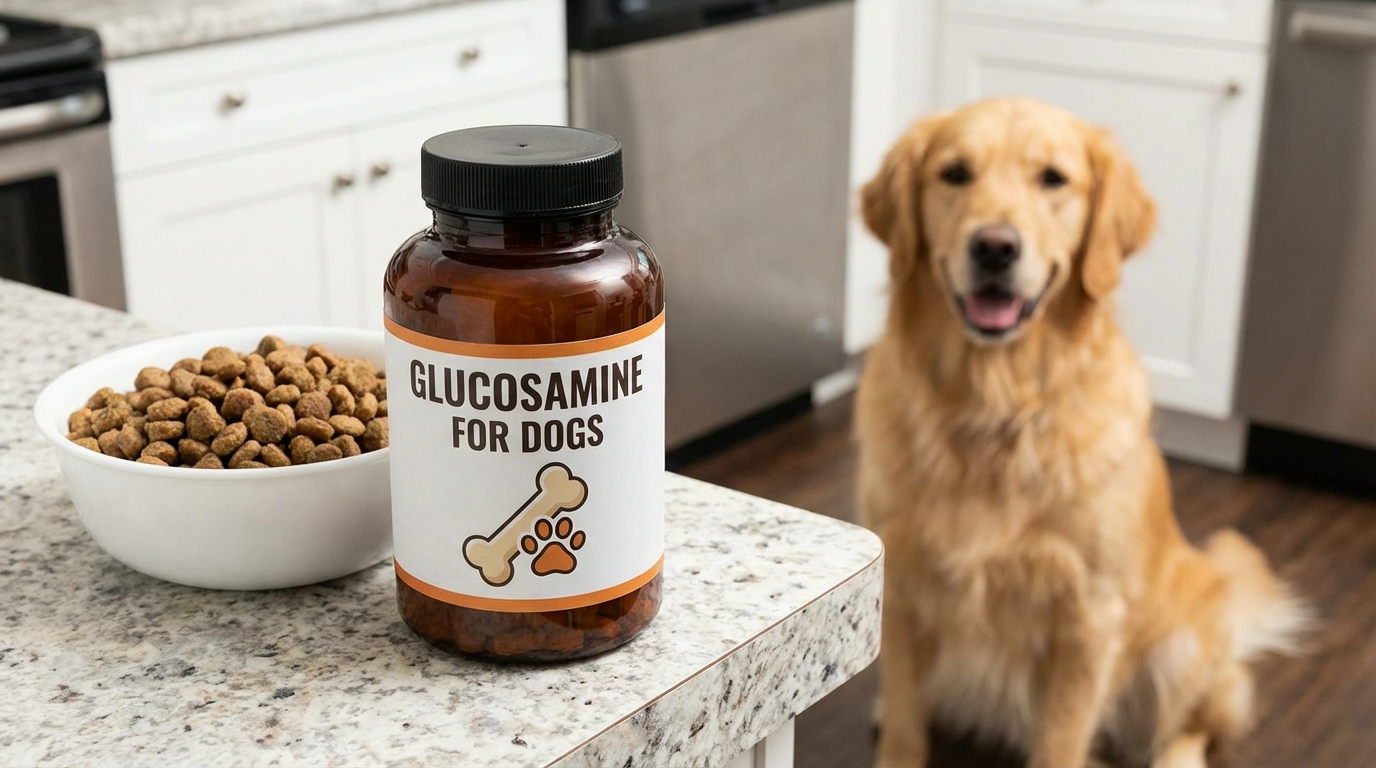
Glucosamine for dogs has become one of the most trusted joint support options for pets struggling with arthritis. If your dog hesitates before climbing stairs or avoids long walks, joint discomfort may be the reason. Fortunately, targeted supplements can make a noticeable difference in comfort and mobility.
Arthritis in dogs is more common than many owners realize. It creeps in slowly. At first, you may notice stiffness after naps. Later, jumping into the car becomes difficult. Over time, daily movement feels like a challenge.
However, with the right support, many dogs regain flexibility and confidence. That is where glucosamine for dogs enters the picture.
Understanding Arthritis in Dogs
Arthritis is a degenerative joint condition. Cartilage, which cushions the joints, gradually wears down. As a result, bones begin to rub against each other. This friction causes inflammation and pain.
Although arthritis is often associated with senior dogs, younger pets can develop it too. Injuries, genetics, and obesity may increase the risk. Large breeds are especially vulnerable because their joints carry more weight.
At first, symptoms may seem subtle. Your dog might rise more slowly. Playtime may shorten. Nevertheless, these small signs should not be ignored.
If left unmanaged, joint damage progresses. Therefore, early intervention matters.
How Glucosamine for Dogs Supports Joint Health
Glucosamine is a natural compound found in healthy cartilage. It plays a key role in maintaining joint structure. When given as a supplement, glucosamine for dogs helps support cartilage repair and protect existing tissue.
Additionally, it may reduce inflammation within the joint. Lower inflammation often means less discomfort. As pain decreases, movement improves.
You can think of glucosamine as a maintenance worker inside the joint. It helps patch up worn areas and supports lubrication. Although it does not cure arthritis, it can slow progression in many cases.
Because it works gradually, patience is important. Improvements are often seen after several weeks of consistent use.
Key Benefits of Glucosamine for Dogs With Arthritis
When used properly, glucosamine for dogs offers several meaningful advantages.
First, mobility may improve. Dogs who once struggled with stairs often regain smoother movement. While results vary, flexibility tends to increase over time.
Second, daily comfort can be enhanced. Reduced joint irritation means fewer signs of stiffness. Many owners notice their pets rising more easily from rest.
Third, activity levels often rise. A dog that feels better moves more. Increased movement then supports muscle strength, creating a positive cycle.
Moreover, glucosamine is generally well tolerated. Side effects are uncommon when proper dosages are followed. Therefore, it is widely recommended as part of long-term joint care.
Signs Your Dog May Need Glucosamine Support
How do you know when supplementation should be considered?
Watch for behavioral shifts. A once-energetic dog may seem withdrawn. Hesitation before jumping is another clue.
Stiffness after naps is common in arthritic dogs. Limping may also appear, especially after exercise.
Additionally, irritability during touch can signal joint sensitivity. If your dog pulls away when hips or shoulders are handled, discomfort could be present.
When these signs appear, consulting your veterinarian is wise. A professional evaluation ensures the correct approach is chosen.
Combining Glucosamine With Other Joint Ingredients
While glucosamine for dogs is powerful on its own, it is often combined with complementary ingredients.
Chondroitin is frequently paired with glucosamine. It helps maintain cartilage elasticity and may enhance effectiveness.
MSM, another common addition, supports connective tissue health. It also contributes to reduced inflammation.
Omega-3 fatty acids are sometimes included as well. These healthy fats help manage inflammatory responses in the body.
Together, these ingredients create a comprehensive joint support formula. However, individual needs differ, so professional guidance remains important.
Choosing the Right Glucosamine Supplement
Not all supplements are created equal. Quality varies widely between brands.
First, look for products specifically formulated for dogs. Human supplements may contain additives that are unsafe for pets.
Second, check ingredient transparency. Clear labeling indicates reputable manufacturing.
Third, consider form. Glucosamine for dogs is available as chewable tablets, powders, and liquids. Choose what your dog accepts easily.
Flavor matters too. Many products are designed to taste like treats. This makes daily administration simpler.
Consistency, however, is the true key to success.
How Long Does It Take to See Results?
Unlike pain medication, glucosamine works gradually. It supports joint repair over time rather than masking symptoms.
Some dogs show improvement within two weeks. Others require four to eight weeks for noticeable changes.
Because arthritis develops slowly, recovery also takes patience. Stopping supplementation too early may limit benefits.
Regular follow-up with your veterinarian helps track progress. Adjustments can be made if necessary.
Is Glucosamine Safe for Long-Term Use?
For most dogs, glucosamine is considered safe for extended periods. It has been widely used for years with minimal adverse effects reported.
Mild digestive upset can occasionally occur. However, this is uncommon and often temporary.
Still, professional supervision is recommended, especially for dogs with pre-existing conditions. Monitoring ensures proper dosing and safety.
When used responsibly, glucosamine for dogs can be part of a sustainable joint health plan.
Supporting Arthritis Management Beyond Supplements
While glucosamine plays an important role, comprehensive arthritis care involves multiple strategies.
Weight management is crucial. Excess pounds place added stress on joints. Even small reductions can significantly ease pressure.
Moderate exercise should also be maintained. Gentle walks and controlled movement strengthen supporting muscles.
Additionally, orthopedic bedding provides joint cushioning during rest. Warmth may also soothe stiff joints.
When combined with these measures, glucosamine for dogs becomes even more effective.
Preventative Use in At-Risk Dogs
Some owners introduce joint supplements before symptoms appear. This proactive approach is common in large breeds.
Because cartilage naturally wears with age, early support may delay onset of discomfort.
However, preventative use should still be discussed with a veterinarian. Every dog has unique health considerations.
Preventative care often yields long-term rewards.
Understanding Realistic Expectations
It is important to set realistic goals. Glucosamine for dogs does not reverse advanced arthritis completely.
Instead, it supports joint function and comfort. Many dogs experience noticeable improvement, but complete elimination of stiffness is unlikely.
Progress may be gradual rather than dramatic. Still, even modest improvements can greatly enhance quality of life.
A dog that walks comfortably for ten extra minutes each day experiences meaningful benefit.
When to Consult Your Veterinarian
If lameness appears suddenly, immediate veterinary care is necessary. Acute injuries should not be mistaken for arthritis.
Additionally, if no improvement is seen after consistent supplementation, professional reassessment is recommended.
Sometimes additional therapies, such as physical rehabilitation or prescription medication, may be required.
Working closely with your veterinarian ensures the best outcome.
Conclusion: Giving Your Dog the Gift of Comfort
Watching a beloved dog struggle with arthritis can feel heartbreaking. Yet hope remains strong. With proper support, mobility can improve and daily joy can return.
Glucosamine for dogs offers a practical, widely trusted option for managing joint discomfort. It supports cartilage health, reduces inflammation, and encourages smoother movement.
When combined with weight management, exercise, and veterinary guidance, this supplement becomes part of a powerful joint care strategy.
Ultimately, your dog deserves comfort. By taking proactive steps today, you can help ensure more tail wags tomorrow.
FAQs
- How does glucosamine for dogs actually work?
It supports cartilage repair and reduces joint inflammation, helping improve mobility and comfort over time. - Can puppies take glucosamine supplements?
In most cases, supplements are reserved for adult or senior dogs. Always consult a veterinarian before use in young dogs. - Are there side effects of glucosamine for dogs?
Side effects are rare but may include mild digestive upset. Proper dosing reduces risk. - How long should my dog stay on glucosamine?
Many dogs use it long term. Your veterinarian can recommend an appropriate duration based on health status. - Is glucosamine enough to treat severe arthritis?
It helps manage symptoms but may need to be combined with other treatments for advanced cases.