Protective dog breeds have long served as loyal guardians for families and property. While alarms and cameras help, many homeowners still value the natural instincts of a devoted watchdog. However, choosing the right breed requires careful consideration.
Not every large dog makes an effective protector. Some breeds display calm vigilance, while others show intense territorial instincts. Therefore, understanding temperament, training needs, and lifestyle compatibility is essential. Protective dog breeds often combine intelligence, confidence, and loyalty, which makes them dependable home defenders when properly trained.
In this guide, you will learn which guardians excel in home security roles. Moreover, you will discover what responsibilities come with owning these powerful companions.
What Makes a Dog Truly Protective
A protective nature goes beyond size and strength. Confidence, awareness, and balanced temperament matter just as much.
Effective guardians typically display:
- Strong loyalty to family
- Natural territorial awareness
- Quick response to unusual activity
- High intelligence
- Controlled aggression when necessary
However, responsible breeding and training shape behavior. Without guidance, even the most capable watchdog may become reactive.
Therefore, protective dog breeds require structure and early socialization. When properly guided, they distinguish between normal visitors and genuine threats. This balance prevents unnecessary aggression while maintaining safety.
Understanding these traits helps you select a dog that aligns with your household needs.
German Shepherd: Intelligent and Versatile
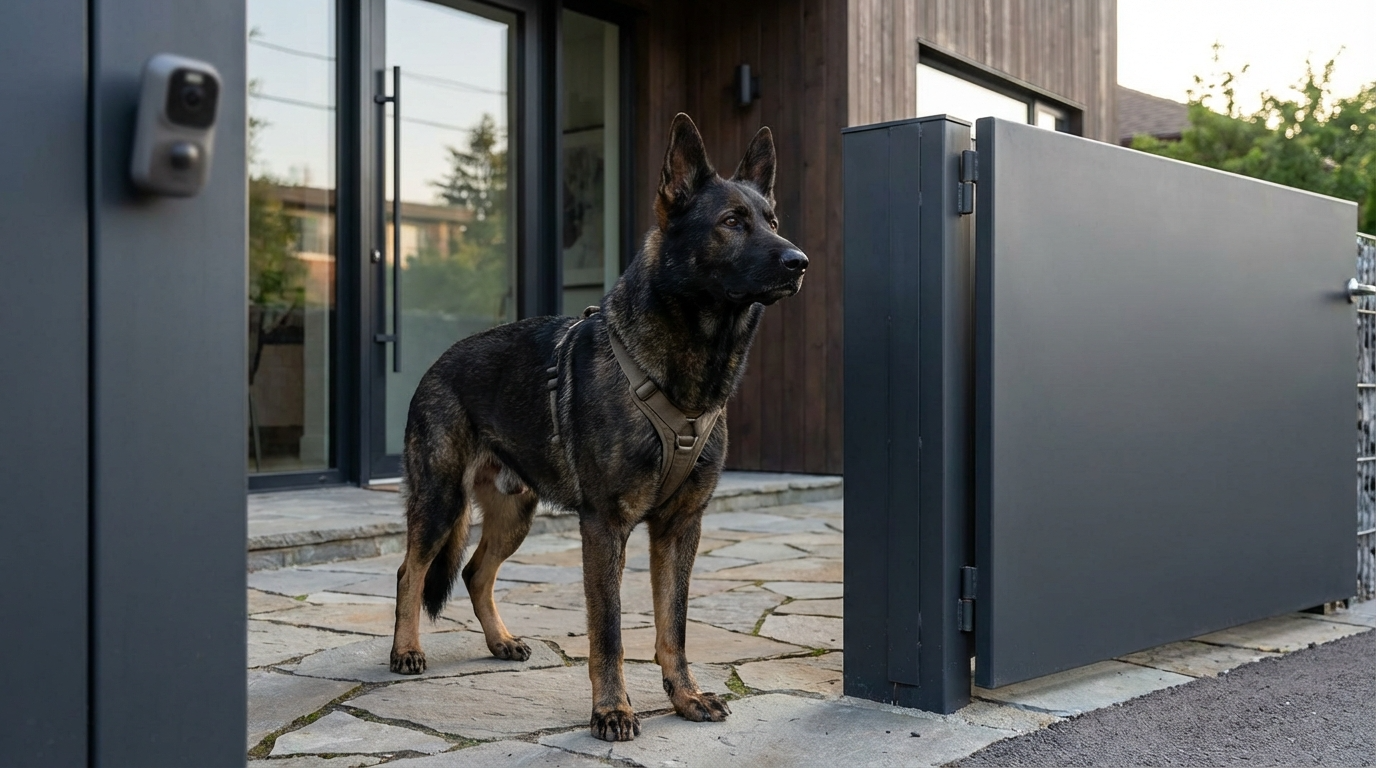
German Shepherds rank among the most recognized protective dog breeds worldwide. Their intelligence and trainability make them popular in police and military work.
These dogs form deep bonds with their families. As a result, they often become alert guardians at home. Additionally, they learn commands quickly and respond reliably.
Because they require mental stimulation, regular training remains essential. Without engagement, boredom may develop.
Early socialization ensures balanced behavior. With proper leadership, German Shepherds combine loyalty with controlled protection.
Their versatility makes them suitable for families who can dedicate time to training and exercise.
Rottweiler: Confident and Devoted
Rottweilers carry a strong, muscular build and a confident demeanor. Historically, they guarded livestock and property.
Today, they remain among respected protective dog breeds for home security. They tend to remain calm yet observant. However, when they perceive danger, they respond decisively.
Structured obedience training plays a crucial role. Clear boundaries prevent dominance issues.
Moreover, Rottweilers thrive in households with experienced owners. When raised with consistency, they show affectionate loyalty toward family members.
Strength alone does not define this breed. Instead, balanced discipline and early exposure shape their reliable temperament.
Doberman Pinscher: Alert and Fearless
Dobermans combine elegance with power. Their lean build supports agility and speed.
Originally developed as guard dogs, Dobermans remain highly alert. Therefore, they often react quickly to unfamiliar situations.
Among protective dog breeds, they stand out for loyalty and intelligence. However, they need structured activity and leadership.
Proper socialization reduces excessive suspicion. Meanwhile, positive reinforcement strengthens trust.
Dobermans thrive in active households. When given exercise and mental challenges, they serve as attentive and affectionate protectors.
Bullmastiff: Calm Yet Powerful Guardian
Bullmastiffs possess imposing size. However, they often display calm and quiet personalities.
Unlike constantly barking breeds, they prefer silent watchfulness. Nevertheless, their presence alone deters intruders.
These protective dog breeds respond best to firm but gentle leadership. Early obedience ensures they remain manageable despite their strength.
Because they bond closely with family, they often remain patient with children. Still, supervision remains essential due to their size.
Their balanced temperament makes them suitable for owners seeking quiet yet capable guardians.
Belgian Malinois: High Energy Protection
Belgian Malinois often serve in law enforcement roles. Their speed, agility, and sharp focus make them exceptional working dogs.
However, they demand intense physical and mental stimulation. Without it, behavioral problems may emerge.
Among protective dog breeds, they rank high for intelligence and responsiveness. Therefore, experienced handlers often choose them.
Structured training, daily exercise, and advanced obedience help them thrive. When properly managed, they form deep bonds and respond swiftly to commands.
Because of their drive, they suit active families prepared for commitment.
Boxer: Playful Yet Protective
Boxers combine energetic playfulness with natural guarding instincts. They remain affectionate with family members while alert to strangers.
Although they appear friendly, they quickly shift to protective mode if necessary. Therefore, they balance companionship and defense effectively.
Consistent training ensures proper behavior. Social exposure reduces overexcitement around visitors.
Boxers may not appear intimidating at first glance. However, their courage and loyalty place them among capable protective dog breeds for family homes.
Cane Corso: Powerful and Territorial
Cane Corsos descend from ancient Roman guardian dogs. Their imposing build commands respect.
This breed requires confident leadership. Without structure, territorial tendencies may intensify.
Nevertheless, when raised correctly, they show calm control. Early socialization remains critical.
Among protective dog breeds, Cane Corsos stand out for natural guarding instincts. They often display reserved behavior toward strangers.
Owners must commit to training and exercise. Because of their strength, they require responsible handling.
Great Pyrenees: Gentle Family Guardian
Great Pyrenees historically protected livestock from predators. Therefore, they developed strong independent thinking.
Although they appear gentle, they remain vigilant. Their calm demeanor often masks deep territorial awareness.
Unlike highly reactive breeds, they assess situations carefully. However, they still defend when needed.
Great Pyrenees rank among protective dog breeds that blend patience with protective instincts. They fit well in homes with space and consistent training.
Because independence defines this breed, patient guidance proves essential.
Training: The Key to Responsible Protection
Even the best guardian breed cannot succeed without training. Obedience builds trust and control.
Focus on:
- Basic commands
- Controlled socialization
- Leash discipline
- Recall reliability
- Calm exposure to guests
Positive reinforcement encourages cooperation. Meanwhile, harsh punishment often creates fear-based aggression.
Protective dog breeds must learn boundaries early. Therefore, structured puppy classes help establish control.
Consistent leadership ensures dogs protect without overreacting.
Socialization Prevents Excessive Aggression
Early exposure shapes behavior significantly. Introduce your dog to various environments, people, and situations.
Reward calm behavior. Consequently, confidence develops without fear.
Without proper exposure, even well-bred guardians may become reactive.
Socialization balances the instincts seen in protective dog breeds. It teaches discrimination between routine activity and actual threats.
Regular, positive experiences prevent unnecessary anxiety.
Lifestyle Considerations Before Choosing
Not every household suits a strong guardian breed.
Ask yourself:
- Do you have time for daily training?
- Can you manage high exercise needs?
- Do you have secure fencing?
- Are you comfortable handling a powerful dog?
Protective dog breeds require commitment. Therefore, careful evaluation prevents future issues.
Matching temperament to lifestyle ensures long-term success.
Legal and Community Responsibility
Owning a guardian dog carries responsibility. Some municipalities restrict certain breeds.
Additionally, liability insurance may apply. Therefore, research local regulations.
Proper containment prevents incidents. Secure fencing and supervised interactions protect both community and family.
Responsible ownership strengthens the positive reputation of protective dog breeds.
Balancing Protection and Family Life
The best home guardians remain affectionate companions. Protection should never overshadow companionship.
Balanced training fosters loyalty without fear. Clear leadership builds mutual respect.
Children must learn safe interaction. Supervision remains important with any large breed.
When guided correctly, protective dog breeds integrate seamlessly into loving households.
Conclusion: Choosing the Right Guardian for Your Home
Selecting the right guardian requires research, honesty, and preparation. Protective dog breeds offer strength, intelligence, and loyalty. However, they demand structure and commitment.
From German Shepherds to Cane Corsos, each breed carries unique characteristics. Therefore, matching energy levels and temperament to your lifestyle remains critical.
Training and socialization shape behavior more than size alone. With consistent leadership, these dogs become reliable protectors and devoted companions.
Ultimately, responsible ownership transforms powerful instincts into dependable home security. When guided with patience and care, your guardian dog will provide both safety and unwavering loyalty for years to come.
FAQ
- Are large dogs always better for home protection?
Size helps deter intruders, but temperament, training, and confidence matter just as much. - Can family-friendly breeds still guard effectively?
Yes. Many loyal companions balance affection with strong protective instincts when trained properly. - How early should training begin?
Start socialization and basic obedience during puppyhood to establish control and confidence. - Do guardian dogs require special insurance?
Some areas require liability coverage for certain breeds. Always check local regulations. - Can first-time owners handle strong watchdog breeds?
Experienced handling is recommended, especially for powerful and territorial dogs.