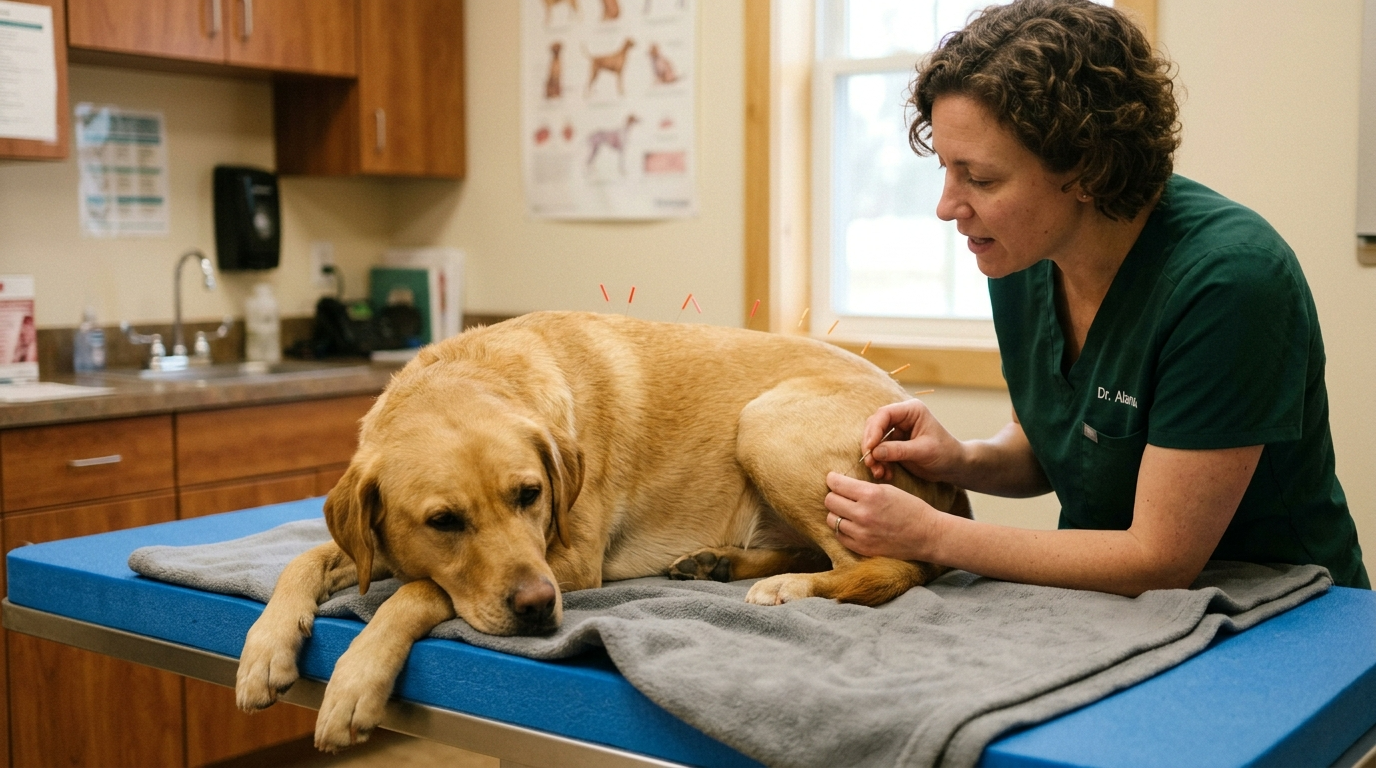
Arthritis affects many aging pets and often limits their mobility and comfort. Fortunately, acupuncture for dogs offers a gentle, drug-free option to reduce pain and improve quality of life. Because this therapy stimulates natural healing processes, it can complement traditional treatments effectively.
Joint inflammation causes stiffness, reduced activity, and behavioral changes. While medications help manage discomfort, long-term use may produce side effects. Therefore, many pet owners explore integrative options that support recovery safely.
When performed by trained professionals, acupuncture sessions can ease chronic pain, improve circulation, and enhance overall well-being. As a result, dogs often regain comfort and confidence in daily movement.
Understanding Canine Arthritis
Arthritis occurs when cartilage inside joints breaks down. Over time, bones rub together and cause inflammation. Consequently, pain increases and mobility declines.
Older dogs face higher risk due to natural wear and tear. However, injuries, obesity, and genetics also contribute. Because cartilage does not regenerate easily, arthritis becomes a progressive condition.
Common signs include limping, stiffness after rest, and reluctance to climb stairs. Some dogs also show irritability or fatigue. Early intervention improves long-term outcomes.
Although medications reduce inflammation, they do not reverse joint damage. Therefore, supportive therapies like acupuncture for dogs gain attention among veterinarians and owners alike.
How Acupuncture Works in Dogs
Acupuncture involves inserting thin needles into specific points on the body. These points align with nerve pathways and blood vessels.
When stimulated, the body releases endorphins and anti-inflammatory chemicals. As a result, natural pain relief increases.
Acupuncture for dogs also improves circulation around affected joints. Better blood flow delivers nutrients that support tissue repair.
Additionally, nerve stimulation can reduce muscle tension. Tight muscles often worsen joint discomfort, so relaxation improves mobility.
Because the technique targets underlying imbalances, it addresses more than surface symptoms.
Pain Relief Without Heavy Medication
Many arthritis medications carry risks over time. For example, prolonged use of anti-inflammatory drugs may affect liver or kidney function.
Acupuncture for dogs provides an alternative approach. By encouraging the body’s own healing response, it reduces reliance on pharmaceuticals.
Some dogs require lower medication doses after consistent sessions. Therefore, combining therapies often produces better results than relying on a single solution.
Veterinarians frequently recommend acupuncture as part of a comprehensive pain management plan.
Improved Mobility and Flexibility
Reduced inflammation leads to better joint movement. Consequently, dogs may rise more easily after resting.
Acupuncture for dogs enhances flexibility by loosening tight muscles around stiff joints. Because tension restricts range of motion, relaxation improves stride length.
Owners often report increased willingness to walk or play. Even subtle changes signal progress.
While improvement varies by severity, many pets show measurable gains within weeks.
Enhanced Circulation and Healing
Healthy circulation supports tissue repair. When blood flow improves, oxygen and nutrients reach damaged areas more efficiently.
Acupuncture for dogs stimulates microcirculation near arthritic joints. As a result, swelling may decrease gradually.
Improved circulation also accelerates waste removal from inflamed tissues. Therefore, healing processes become more efficient.
These internal changes contribute to long-term comfort rather than temporary relief.
Emotional and Behavioral Benefits
Chronic pain affects mood. Dogs experiencing arthritis may withdraw or become irritable.
Acupuncture for dogs often promotes relaxation. Because endorphins influence mood, many pets appear calmer after sessions.
Reduced discomfort increases engagement with family members. Consequently, quality of life improves beyond physical health.
Calm behavior also strengthens the bond between pet and owner.
What to Expect During a Session
A certified veterinary acupuncturist performs the procedure. Initial appointments include thorough health evaluation.
Thin needles insert gently into targeted points. Most dogs tolerate the process well.
Sessions typically last 15 to 30 minutes. Many dogs relax or even nap during treatment.
Acupuncture for dogs rarely causes significant discomfort. Mild drowsiness afterward remains common and temporary.
Treatment frequency depends on condition severity. Initially, weekly sessions may be recommended.
Combining Acupuncture With Other Therapies
Acupuncture works best within a broader care plan.
Physical therapy strengthens supporting muscles. Weight management reduces joint stress.
Acupuncture for dogs complements anti-inflammatory diets and supplements such as omega-3 fatty acids.
Massage therapy and laser therapy may further enhance results. Because each method targets different aspects of inflammation, combined approaches improve outcomes.
Consult your veterinarian before starting multiple therapies simultaneously.
Scientific Support and Veterinary Acceptance
Research into veterinary acupuncture continues to expand. Studies suggest improved pain scores and mobility in arthritic dogs.
While not every case responds identically, growing evidence supports its role in integrative medicine.
Acupuncture for dogs now appears in many rehabilitation centers and specialty clinics.
Professional certification ensures proper training and safe application.
Safety and Potential Side Effects
When performed correctly, acupuncture remains safe. Side effects occur rarely and typically include mild soreness.
Because needles are sterile and disposable, infection risk stays minimal.
Acupuncture for dogs should not replace urgent medical treatment. Instead, it complements standard care.
Dogs with bleeding disorders or severe illness require veterinary clearance before starting therapy.
Cost Considerations
Pricing varies by location and practitioner experience.
Although initial consultations may cost more, follow-up sessions often remain affordable.
Acupuncture for dogs may reduce long-term medication expenses by decreasing dosage needs.
Pet insurance sometimes covers alternative therapies. Therefore, review your policy carefully.
Monitoring Progress at Home
Track changes in mobility and mood.
Note improvements in stair climbing, walking distance, and sleep quality.
Acupuncture for dogs often produces gradual results. Therefore, patience becomes important.
Regular veterinary checkups confirm that joint health remains stable.
Long-Term Maintenance
Chronic arthritis requires ongoing management.
After initial improvement, maintenance sessions may occur monthly.
Acupuncture for dogs supports long-term stability when combined with proper exercise and nutrition.
Consistency ensures sustained benefits.
When to Consider Acupuncture
If medications cause side effects or provide limited relief, acupuncture may help.
Older dogs with chronic stiffness often benefit significantly.
Acupuncture for dogs also suits pets recovering from orthopedic surgery.
Consult your veterinarian to determine suitability.
Conclusion
Arthritis challenges many aging pets. However, acupuncture for dogs provides a safe and natural method to reduce pain and restore mobility. By stimulating circulation, releasing endorphins, and relaxing tight muscles, this therapy addresses both symptoms and underlying imbalances.
When integrated into a comprehensive treatment plan, acupuncture enhances comfort and quality of life. Although results vary, many dogs experience noticeable improvements in movement and mood.
With professional guidance and consistent care, acupuncture can become a valuable part of long-term arthritis management. Supporting your dog’s health holistically ensures they enjoy greater comfort during their senior years.
FAQ
- How quickly can dogs feel relief after treatment?
Some dogs improve after one session, while others require several weeks for noticeable change. - Is the procedure painful for pets?
Most dogs tolerate the thin needles well and often relax during sessions. - Can this therapy replace arthritis medication?
It may reduce dosage needs, but decisions should always involve a veterinarian. - How often should sessions occur?
Initial weekly visits are common, followed by maintenance appointments. - Are certain breeds more responsive to treatment?
Response depends on individual health rather than breed alone.