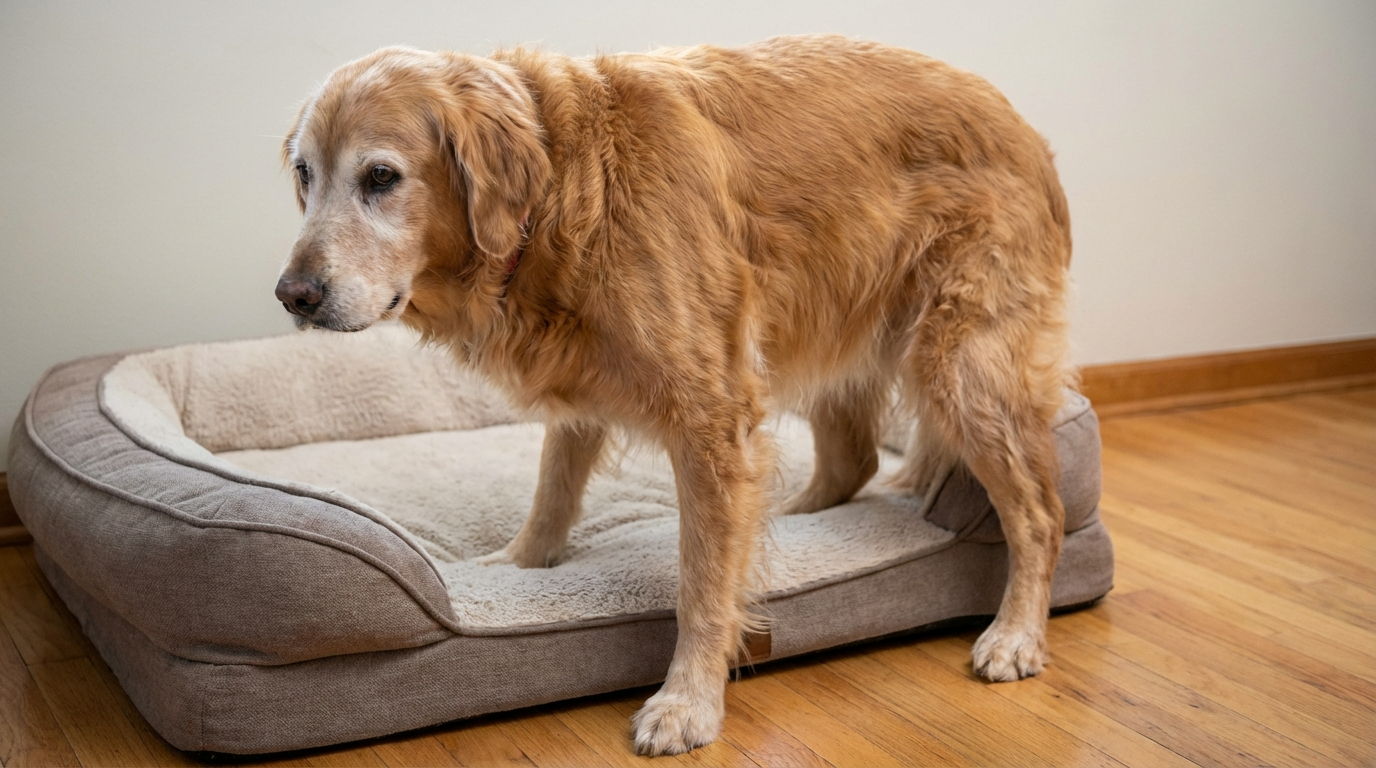
Dogs age quietly. They rarely complain. Instead, they adapt. A slower walk becomes normal. A skipped jump goes unnoticed. Over time, subtle changes settle in. This is why arthritis symptoms in dogs often progress before owners realize what is happening.
Arthritis is one of the most common chronic conditions affecting dogs, especially as they grow older. It causes inflammation in the joints, leading to pain, stiffness, and reduced mobility. While arthritis is not limited to senior dogs, age increases risk significantly.
The challenge lies in recognition. Dogs instinctively hide discomfort. What looks like laziness or aging is often pain management in disguise. Learning to recognize early warning signs can dramatically improve your dog’s quality of life.
This article walks through the most common arthritis symptoms in dogs, explains why they appear, and helps you understand when action is needed. Awareness is the first step toward relief.
Why Arthritis Symptoms in Dogs Are Often Missed
Dogs are masters of adaptation. When joints hurt, they compensate rather than complain. This survival instinct keeps symptoms subtle at first.
Instead of limping immediately, a dog may change posture. Instead of refusing movement, they may move slower. These adjustments mask pain.
Additionally, many owners attribute changes to normal aging. While aging affects energy levels, persistent discomfort is not inevitable.
Another reason symptoms go unnoticed involves gradual progression. Arthritis develops slowly. Each change feels minor on its own.
By the time obvious pain appears, joint damage may already be advanced. Early recognition allows earlier intervention.
Understanding this pattern makes observation more intentional.
1. Stiffness After Rest
One of the earliest arthritis symptoms in dogs is stiffness after resting. Getting up from lying down becomes harder.
You may notice hesitation when your dog stands. Movements feel rigid. Steps look awkward at first.
However, stiffness often improves once the dog starts moving. This pattern is a hallmark sign of joint inflammation.
Cold weather can worsen stiffness. Morning routines may slow noticeably.
If stiffness appears consistently, arthritis should be considered.
2. Difficulty Standing or Sitting
As arthritis progresses, simple movements become challenging. Standing up or sitting down requires more effort.
Dogs may rock forward before rising. They may pause halfway through the motion.
These struggles indicate joint pain, especially in hips, knees, or elbows.
Repeated difficulty is not normal aging. It reflects discomfort that deserves attention.
Observing transitions between positions provides valuable clues.
3. Reluctance to Jump or Climb
Jumping requires joint flexibility and strength. Dogs with arthritis often avoid it.
They may hesitate before jumping onto furniture. Stairs become intimidating. Vehicles feel unreachable.
Instead of leaping, dogs may look for assistance or alternative routes.
This change often develops gradually. One skipped jump becomes routine.
Reduced willingness to climb or jump is a common arthritis symptom in dogs.
4. Limping or Favoring a Limb
Limping is a more recognizable sign, yet it may appear intermittently at first.
Dogs may favor one leg after exercise. Lameness may disappear with rest.
This inconsistency can mislead owners. However, repeated limping suggests joint pain.
Arthritis often affects multiple joints, but one may show symptoms first.
Pay attention to recurring patterns rather than isolated incidents.
5. Decreased Activity and Energy Levels
Dogs with arthritis often move less. They rest more. Walks become shorter.
This change is sometimes mistaken for normal aging. However, pain reduces motivation.
Dogs may still want to engage mentally but avoid physical strain.
A noticeable drop in activity is one of the key arthritis symptoms in dogs.
Energy loss linked to discomfort deserves investigation.
6. Changes in Gait or Posture
Arthritis alters how dogs move. Gait becomes uneven. Steps shorten.
Some dogs adopt a hunched posture to reduce joint pressure. Others shift weight away from painful areas.
These compensations protect sore joints but strain others.
Over time, posture changes become habitual.
Observing movement from the side often reveals subtle gait alterations.
7. Behavioral Changes and Irritability
Pain affects mood. Dogs experiencing chronic discomfort may act differently.
Irritability increases. Tolerance decreases. Friendly dogs may withdraw.
Some dogs resist touch around painful joints. Others avoid interaction entirely.
Behavioral changes are often overlooked arthritis symptoms in dogs.
Pain influences emotional responses more than many owners realize.
8. Excessive Licking or Chewing Joints
Dogs sometimes lick or chew painful joints. This behavior provides temporary relief.
You may notice focused licking on hips, knees, or elbows.
Over time, fur may thin or discolor. Skin irritation may appear.
This repetitive behavior signals localized discomfort.
Licking joints consistently suggests underlying pain.
9. Muscle Loss Around Affected Joints
Reduced movement leads to muscle loss. Arthritic joints often show surrounding muscle atrophy.
Hind legs commonly lose muscle mass first. This imbalance affects stability.
Muscle loss further increases joint strain. Pain worsens as support weakens.
Comparing both sides of the body reveals asymmetry.
Muscle changes are a later but important arthritis symptom in dogs.
10. Sensitivity to Cold or Weather Changes
Weather influences joint pain. Many dogs show increased stiffness during cold or damp conditions.
They may seek warm spots. Movement may slow on chilly days.
This sensitivity reflects inflammation within joints.
Owners often notice flare-ups linked to seasonal changes.
Weather-related discomfort reinforces arthritis suspicion.
How Arthritis Symptoms in Dogs Progress Over Time
Arthritis is degenerative. Symptoms rarely remain static.
Early signs involve stiffness and subtle behavior changes. Mid-stage arthritis affects mobility and activity levels.
Advanced arthritis causes persistent pain, muscle loss, and reduced independence.
Progression varies by breed, size, and lifestyle.
Early management slows deterioration. Delayed action allows damage to accelerate.
Recognizing progression patterns helps guide care decisions.
Breeds More Prone to Arthritis Symptoms
Some breeds face higher risk. Large breeds like Labradors and German Shepherds are commonly affected.
Giant breeds experience joint stress earlier due to size.
However, small breeds are not immune. Genetics and injuries play roles.
Overweight dogs face increased joint strain regardless of breed.
Understanding risk factors increases vigilance.
When to See a Veterinarian
Persistent arthritis symptoms in dogs require professional evaluation.
If signs last more than a few weeks, veterinary assessment is recommended.
Early diagnosis allows tailored management plans.
X-rays may confirm joint changes. Treatment options vary.
Ignoring symptoms delays relief.
Prompt care improves comfort significantly.
Managing Arthritis Symptoms in Dogs
While arthritis cannot be cured, symptoms can be managed effectively.
Weight management reduces joint stress. Gentle exercise maintains mobility.
Supplements support joint health. Pain management improves quality of life.
Environmental adjustments help too. Ramps, orthopedic beds, and warm spaces reduce strain.
Consistency matters. Small changes accumulate into meaningful relief.
The Emotional Impact of Arthritis on Dogs
Pain affects more than movement. Emotional well-being suffers too.
Dogs may feel frustrated or confused. Reduced independence alters confidence.
Supportive care restores comfort and trust.
Understanding emotional impact strengthens empathy.
Compassion plays a role in healing.
Living Well With Canine Arthritis
Dogs can thrive despite arthritis. Many live happy, active lives with proper support.
Routine adjustments make movement easier. Pain control restores enjoyment.
Early awareness empowers owners.
Quality of life matters more than limitations.
With care, arthritis becomes manageable rather than defining.
Conclusion
Arthritis symptoms in dogs often begin quietly and progress gradually. Stiffness, reduced activity, behavior changes, and mobility challenges are key warning signs. Recognizing these symptoms early allows timely intervention and improved comfort. While arthritis is a lifelong condition, understanding its signs empowers you to support your dog’s mobility, happiness, and overall quality of life through every stage of aging.
FAQ
1. At what age do arthritis symptoms appear in dogs?
Symptoms can appear as early as middle age, especially in larger breeds.
2. Can arthritis symptoms come and go?
Yes. Early arthritis often causes intermittent stiffness or limping.
3. Is limping always caused by arthritis?
No. Injuries and other conditions can cause limping, so evaluation is important.
4. Do small dogs get arthritis too?
Yes. Size does not eliminate risk, especially with genetics or injury.
5. Can arthritis be prevented in dogs?
While not fully preventable, weight control and joint care reduce risk.