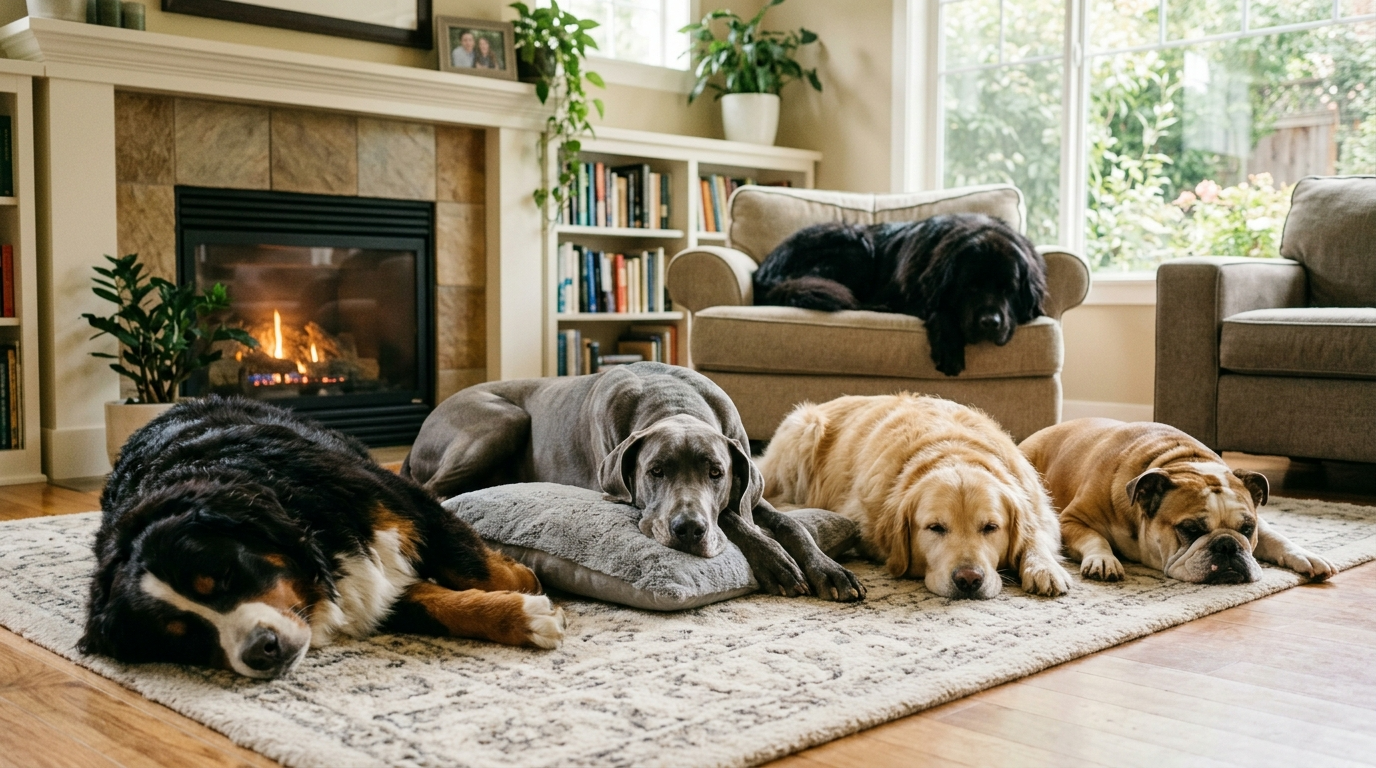
Many families want a peaceful companion rather than a high-energy pet. Fortunately, calm dog breeds offer steady temperaments, gentle behavior, and predictable energy levels. Because personality plays a major role in long-term satisfaction, choosing the right breed can transform your home environment.
While every dog has a unique personality, certain breeds consistently show relaxed tendencies. Therefore, understanding which dogs naturally prefer quiet routines helps owners make informed decisions. A calm companion often adapts well to apartments, seniors, and first-time dog owners.
What Makes a Dog Calm?
Temperament depends on genetics, training, and environment. However, some breeds display naturally lower energy levels. These dogs often prefer lounging near their owners rather than constant activity.
Calm dog breeds typically show patience, tolerance, and emotional stability. They react less intensely to noise or unfamiliar visitors. Additionally, they adapt well to structured daily routines.
Energy level does not equal laziness. Instead, relaxed breeds simply conserve energy and remain content with moderate exercise. Because of this balance, they integrate smoothly into quieter households.
Early socialization still matters. Even naturally mellow dogs need guidance. However, their baseline temperament often makes training easier.
Benefits of Choosing a Relaxed Breed
A peaceful dog can improve daily life. First, lower energy reduces chaos indoors. Second, calmer temperaments often suit children and elderly family members.
Calm dog breeds usually bark less excessively. Therefore, they create fewer disturbances in apartment settings. Additionally, relaxed dogs often handle travel or visitors with less stress.
Owners with busy schedules also benefit. Although exercise remains essential, these breeds rarely demand constant stimulation. Instead, they enjoy companionship and moderate walks.
Because temperament influences behavior long term, selecting a calm breed sets realistic expectations.
Cavalier King Charles Spaniel
This small companion dog ranks among popular calm dog breeds for good reason. Cavaliers form strong bonds with owners and thrive on affection.
Although playful, they rarely display hyperactivity. Instead, they prefer cuddling and short walks. Their gentle disposition makes them excellent therapy dogs.
Moreover, Cavaliers adapt well to apartment living. Because they value closeness, they remain happiest when near their families.
Proper grooming and moderate exercise maintain their health. However, their easygoing personality remains their standout trait.
Basset Hound
Basset Hounds embody laid-back charm. With their droopy ears and soulful eyes, they move at a relaxed pace.
Unlike high-energy hounds, they conserve energy indoors. Therefore, they suit quieter households. While they enjoy scent tracking outdoors, they lounge comfortably afterward.
Calm dog breeds like the Basset Hound respond well to gentle training methods. However, patience remains important due to occasional stubbornness.
Because of their affectionate nature, they bond closely with families.
Great Dane
Size does not always equal energy. Surprisingly, the Great Dane qualifies among calm dog breeds despite its towering stature.
These gentle giants display remarkable patience. Indoors, they remain surprisingly relaxed.
Although daily walks remain necessary, Great Danes rarely exhibit excessive hyperactivity. Instead, they prefer lounging comfortably beside their owners.
Because of their size, space matters. However, their mellow demeanor often offsets their physical presence.
Early training ensures proper manners due to their strength.
Shih Tzu
Shih Tzus were bred for companionship. Consequently, they excel in calm environments.
They enjoy short play sessions but prefer extended relaxation. Because they bond strongly with owners, they rarely wander far.
Calm dog breeds like the Shih Tzu adapt easily to apartment living. Additionally, they tolerate moderate noise levels well.
Regular grooming remains essential. However, their affectionate temperament makes maintenance worthwhile.
Bernese Mountain Dog
Despite their working history, Bernese Mountain Dogs show gentle and steady temperaments.
They interact well with children and other pets. Moreover, they display patience in busy households.
Although they require regular exercise, their indoor behavior stays composed. Calm dog breeds such as the Bernese thrive on companionship rather than constant stimulation.
Because of their large size, proper training remains essential early on.
Greyhound
Many assume Greyhounds need constant running. However, they often surprise owners.
While capable of short bursts of speed, Greyhounds relax extensively indoors. In fact, many retired racers become devoted couch companions.
Calm dog breeds sometimes combine athleticism with low household energy. Greyhounds exemplify this balance.
They require daily walks but prefer lounging afterward.
English Bulldog
English Bulldogs embody relaxed living. Their stocky build matches their calm disposition.
Because they dislike intense exercise, they fit well in apartments. Short walks meet their needs.
Calm dog breeds like Bulldogs display loyalty and patience. However, proper temperature control remains important due to breathing limitations.
Despite their tough appearance, they thrive on affection.
Irish Wolfhound
The Irish Wolfhound stands tall yet behaves gently.
Although historically a hunter, this breed remains surprisingly serene indoors. They enjoy companionship and moderate activity.
Calm dog breeds often show steady temperaments even in large bodies. Irish Wolfhounds typically interact well with children.
Early socialization ensures confidence. However, their natural gentleness makes them ideal for calm homes.
Factors Beyond Breed
While genetics influence behavior, upbringing matters equally.
Early training shapes responses to stress. Additionally, consistent routines reinforce calm habits.
Even energetic breeds can develop relaxed behavior with structured guidance. Conversely, calm dog breeds may show anxiety without proper care.
Therefore, owners should evaluate both temperament and lifestyle compatibility.
Matching Energy Levels to Lifestyle
Consider your daily schedule carefully. Active households may overwhelm extremely mellow dogs.
Similarly, highly energetic breeds may frustrate quiet families.
Calm dog breeds work best for individuals seeking peaceful companionship. However, exercise remains essential for mental health.
Short walks, puzzle toys, and social interaction maintain balance.
Because matching lifestyle prevents behavioral issues, thoughtful selection ensures long-term harmony.
Training a Calm Companion
Even relaxed dogs require structure.
Positive reinforcement builds trust. Additionally, clear boundaries prevent confusion.
Calm dog breeds respond well to gentle correction and consistent praise.
Avoid harsh methods, as they may trigger anxiety.
Short daily sessions reinforce obedience without overwhelming attention spans.
Socialization and Environment
Expose puppies to varied environments early.
Although calm dog breeds handle change better than others, proper exposure builds resilience.
Invite guests, visit parks, and introduce safe new experiences.
Balanced socialization prevents fear-based reactions later.
Because environment influences confidence, controlled exposure strengthens stability.
Health Considerations
Some relaxed breeds face specific health challenges.
For example, Bulldogs may struggle with breathing issues. Great Danes require monitoring for joint conditions.
Calm dog breeds still need regular veterinary care and balanced nutrition.
Maintaining healthy weight reduces strain on joints and organs.
Because comfort influences behavior, physical well-being supports temperament.
Adopting Adult Dogs
Rescue organizations often assess temperament.
Adopting an adult dog allows clearer insight into personality. Therefore, you may better identify calm characteristics.
Many mature dogs display stable behavior patterns.
Calm dog breeds often appear in rescue centers as well.
Adoption offers both companionship and a second chance.
Living Peacefully With Your Dog
Create a predictable routine.
Feed, walk, and rest at consistent times.
Calm dog breeds appreciate stability.
Provide comfortable resting spaces away from heavy traffic.
Additionally, maintain a quiet training tone.
Because consistency reinforces security, peaceful routines strengthen bonds.
Conclusion
Choosing a relaxed companion enhances household harmony. Calm dog breeds offer steady temperaments, lower reactivity, and affectionate companionship. While individual personalities vary, selecting a breed known for gentleness increases the likelihood of a peaceful home.
Remember that environment, training, and care influence behavior alongside genetics. Therefore, thoughtful selection combined with responsible ownership produces lasting results. With proper attention and structure, a calm dog can become a loyal, comforting presence for years to come.
FAQ
- Are relaxed dogs easier to train?
Often yes, because steady temperaments improve focus and reduce distraction. - Do mellow breeds still need daily exercise?
Yes. Moderate physical activity keeps them healthy and mentally balanced. - Can apartment dwellers own large gentle dogs?
Some large breeds adapt well to apartments if exercise needs are met. - Is temperament guaranteed by breed alone?
No. Genetics influence behavior, but upbringing and environment matter equally. - Are calm breeds good for seniors?
Many relaxed dogs make excellent companions for seniors due to their gentle nature.