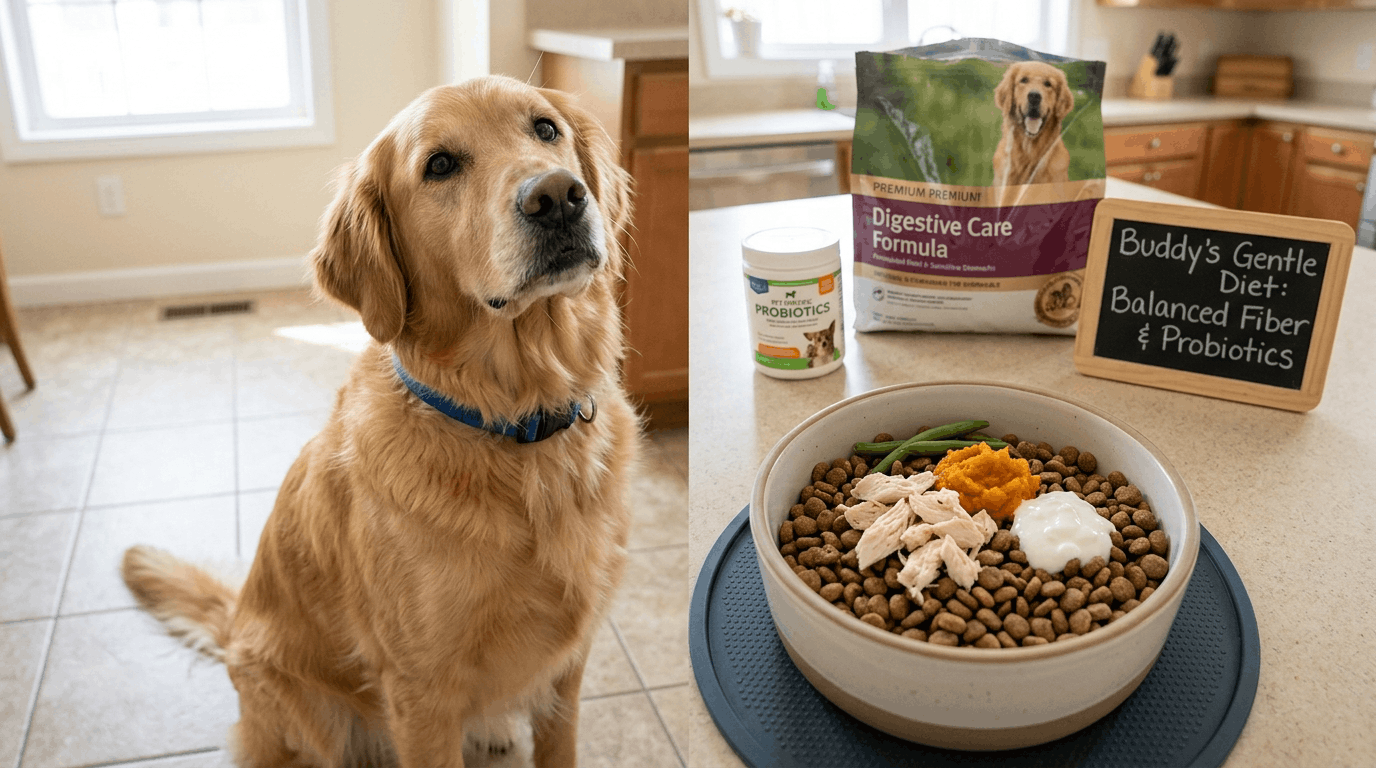
Your dog’s overall well-being is closely tied to what they eat every day. A balanced dog digestive health diet plays a crucial role in maintaining proper digestion, nutrient absorption, and long-term vitality. While many pet owners focus on appearance or energy levels, digestive health often works quietly in the background, yet it affects nearly every aspect of your dog’s life. When digestion functions well, your dog feels better, behaves more consistently, and stays active for longer.
A well-structured dog digestive health diet supports the gut by providing the right combination of nutrients, fiber, and beneficial bacteria. Because the digestive system is sensitive, even small changes in diet can have noticeable effects. Therefore, understanding how food influences digestion allows you to make better choices that protect your dog from discomfort and long-term issues.
Why Digestive Health Matters More Than You Think
Many dog owners only think about digestion when something goes wrong, such as diarrhea or vomiting. However, a strong dog digestive health diet works proactively to prevent these problems. The digestive system does more than break down food; it also supports immune function and helps regulate overall health.
When digestion is balanced, your dog can absorb nutrients efficiently, which leads to better energy levels and improved coat condition. On the other hand, poor digestion can result in frequent stomach upset, weight fluctuations, and even behavioral changes. Because of this, focusing on a proper dog digestive health diet is one of the most effective ways to support your pet’s long-term health.
How Food Choices Affect Digestion
The ingredients in your dog’s food have a direct impact on how their digestive system performs. High-quality proteins are easier to digest and provide essential amino acids that support tissue repair and growth. Meanwhile, low-quality fillers can strain the digestive system and lead to discomfort.
A balanced dog digestive health diet includes the right amount of fiber, which helps regulate bowel movements and supports gut bacteria. Fiber acts as fuel for beneficial microbes, promoting a healthy balance within the digestive tract. Additionally, healthy fats contribute to nutrient absorption and overall digestive efficiency.
However, sudden changes in food can disrupt this balance. Therefore, transitioning gradually when introducing a new dog digestive health diet is essential. This approach allows your dog’s system to adapt without causing unnecessary stress or irritation.
The Role Of Gut Bacteria In Dogs
A healthy gut relies on a diverse population of beneficial bacteria. These microbes help break down food, produce essential nutrients, and protect against harmful pathogens. Because of this, maintaining a balanced dog digestive health diet is key to supporting gut flora.
Probiotics and prebiotics play an important role in this process. Probiotics introduce beneficial bacteria, while prebiotics provide the nutrients they need to thrive. Including these elements in your dog digestive health diet can improve digestion and reduce the risk of gastrointestinal issues.
When the balance of bacteria is disrupted, problems such as bloating, gas, or irregular stools may occur. By supporting gut health through proper nutrition, you can help your dog maintain a stable and efficient digestive system.
Signs Your Dog’s Diet Needs Improvement
Recognizing the signs of poor digestion can help you adjust your dog digestive health diet before issues worsen. Common indicators include frequent diarrhea, constipation, excessive gas, or changes in appetite. Additionally, a dull coat or low energy levels may suggest that nutrients are not being absorbed properly.
Behavioral changes can also signal digestive discomfort. Dogs experiencing ongoing issues may become irritable or less active. Because these signs can develop gradually, it is important to monitor your dog’s habits closely. Early adjustments to their dog digestive health diet can prevent more serious complications.
Choosing The Right Food For Digestive Support
Selecting the right food is one of the most important steps in building a strong dog digestive health diet. Look for high-quality ingredients that are easy to digest and free from unnecessary additives. Simple formulations often work best, especially for dogs with sensitive stomachs.
Protein sources such as chicken, turkey, or fish are commonly well-tolerated. In addition, easily digestible carbohydrates like rice or sweet potatoes can provide energy without overloading the digestive system. Including natural sources of fiber further enhances the effectiveness of a dog digestive health diet.
Hydration also plays a key role. Providing fresh water at all times helps support digestion and prevents dehydration, especially when feeding dry food. By combining proper nutrition with adequate hydration, you create a solid foundation for digestive health.
Transitioning To A Better Diet Safely
Changing your dog’s food requires a gradual approach to avoid upsetting their digestive system. Start by mixing a small amount of the new food with the current diet, then slowly increase the proportion over several days. This method allows your dog’s body to adjust smoothly.
During this transition, monitor your dog for any changes in stool consistency or behavior. If issues arise, slowing down the process can help. A careful transition ensures that your dog digestive health diet improves digestion rather than causing additional stress.
Consistency is also important. Feeding your dog at regular times supports a stable digestive routine, which helps maintain balance within the gut. Over time, these small habits contribute to long-term digestive health.
Lifestyle Factors That Support Digestion
While diet plays a central role, other factors also influence your dog’s digestive health. Regular exercise helps stimulate digestion and promotes overall well-being. Even moderate activity can improve how efficiently your dog processes food.
Stress is another factor to consider. Changes in environment, routine, or social interactions can affect digestion. Therefore, maintaining a stable and comfortable environment supports the effectiveness of a dog digestive health diet.
Additionally, avoiding table scraps and excessive treats helps prevent digestive upset. By keeping your dog’s diet consistent and balanced, you reduce the risk of introducing harmful or difficult-to-digest foods.
Long-Term Benefits Of A Healthy Diet
A well-maintained dog digestive health diet offers long-term benefits that go beyond digestion. Dogs with healthy digestive systems often have stronger immune responses, better energy levels, and improved overall vitality. These benefits contribute to a higher quality of life and a stronger bond between you and your pet.
Over time, consistent nutrition helps prevent chronic issues and reduces the need for frequent medical interventions. By prioritizing your dog’s diet, you invest in their long-term health and happiness. This proactive approach ensures that your dog remains active and comfortable throughout their life.
Conclusion
A proper dog digestive health diet is one of the most important factors in maintaining your dog’s overall well-being. By choosing high-quality ingredients, supporting gut health, and maintaining consistent feeding habits, you can significantly improve your dog’s digestion. While every dog is different, paying attention to their individual needs allows you to make informed decisions that benefit their health.
Ultimately, small changes in diet can lead to meaningful improvements in your dog’s comfort and energy. With the right approach, you can support a healthy digestive system that keeps your dog thriving for years to come.
FAQ
1. What foods are best for improving digestion in dogs?
Easily digestible proteins, balanced fiber, and high-quality ingredients are ideal for supporting digestion.
2. How can I tell if my dog has digestive issues?
Look for symptoms like diarrhea, gas, changes in appetite, or low energy levels.
3. Are probiotics necessary for dogs?
They can be helpful in maintaining healthy gut bacteria, especially for dogs with sensitive digestion.
4. How often should I feed my dog for better digestion?
Consistent feeding schedules, usually twice daily, help maintain stable digestion.
5. Can stress affect a dog’s digestive system?
Yes, stress can disrupt digestion and lead to issues like upset stomach or irregular bowel movements.