A shiny, soft coat often reflects a dog’s overall health. While grooming products may improve appearance temporarily, real coat health begins internally. Owners who want to improve dog coat nutrition naturally often notice major changes in fur texture, shedding, skin condition, and overall comfort within a few months.
Nutrition affects every part of the body, including the skin and coat. Dogs lacking essential nutrients may develop dry skin, excessive shedding, brittle fur, dull coats, itchiness, or irritation. In many cases, improving food quality and nutrient balance helps restore healthier skin and stronger fur growth naturally.
Healthy coats require more than protein alone. Dogs also need balanced fats, vitamins, minerals, hydration, and digestible ingredients to support skin repair and hair growth properly. Fortunately, small dietary changes often create noticeable improvements over time.
Why Nutrition Affects Coat Quality
The skin remains the body’s largest organ.
Hair follicles and skin cells constantly regenerate, which requires steady nutritional support. When dogs receive poor-quality diets or insufficient nutrients, the body prioritizes vital organs before coat health.
As a result, skin and fur often show the earliest signs of nutritional imbalance.
Owners who improve dog coat nutrition consistently may notice shinier fur, reduced itching, stronger hair growth, and healthier skin texture over time.
Protein Supports Healthy Fur Growth
Hair consists primarily of protein.
Dogs require high-quality animal protein to support strong fur production and healthy skin repair. Poor protein intake often contributes to brittle fur, thinning coats, and slower hair growth.
Chicken, turkey, salmon, lamb, beef, eggs, and other quality protein sources usually provide essential amino acids needed for coat health.
Additionally, highly digestible protein sources often produce better results because dogs absorb nutrients more efficiently.
Omega-3 Fatty Acids Reduce Dryness
Healthy fats play a major role in skin condition.
Omega-3 fatty acids help reduce inflammation while supporting softer skin and shinier coats. Dogs lacking healthy fats often develop flaky skin, dull fur, and increased shedding.
Fish oil, sardines, salmon oil, flaxseed, and krill oil provide beneficial omega-3 support naturally.
When owners improve dog coat nutrition using balanced fatty acids, many dogs experience noticeable coat improvements within several weeks.
Hydration Matters More Than Many Owners Realize
Dry skin often connects to dehydration.
Dogs need adequate water intake to maintain healthy skin elasticity and proper oil production. Insufficient hydration may worsen itching, flaking, and coat dullness.
Fresh clean water should remain available at all times. Additionally, wet food or moisture-rich whole foods sometimes help improve hydration naturally.
Poor Ingredients Can Trigger Skin Problems
Certain ingredients may contribute to skin irritation or poor coat quality.
Artificial colors, preservatives, low-quality fillers, and highly processed ingredients sometimes trigger inflammation or sensitivities in certain dogs. Food intolerances may also lead to itching, redness, excessive licking, or chronic ear irritation.
Owners trying to improve dog coat nutrition should evaluate ingredient quality carefully rather than focusing only on marketing claims.
Simple ingredient lists with recognizable whole-food sources often support better digestion and healthier skin overall.
Healthy Digestion Supports Better Coat Health
Nutrient absorption matters greatly.
Even high-quality food provides limited benefits if dogs cannot digest nutrients properly. Digestive issues sometimes prevent efficient absorption of vitamins, minerals, and fatty acids needed for coat health.
Probiotics, fiber, hydration, and balanced nutrition often support better digestive function naturally.
Healthier digestion frequently improves skin condition from the inside out.
Vitamin Deficiencies Affect Fur Condition
Several vitamins directly support skin and coat health.
Vitamin E helps protect skin cells from oxidative stress. Meanwhile, vitamin A supports skin repair and proper oil production. Biotin also contributes to healthier fur growth and stronger hair structure.
Deficiencies may contribute to dry skin, brittle coats, or increased shedding.
Balanced diets usually provide proper vitamin support without requiring excessive supplementation.
Minerals Help Maintain Skin Strength
Minerals support healthy skin structure and immune function.
Zinc plays an especially important role in coat quality. Dogs lacking zinc sometimes develop crusty skin, thinning fur, or slow healing.
Copper also supports pigmentation and healthy hair growth in many breeds.
Owners who improve dog coat nutrition using balanced mineral intake often see stronger and healthier fur development over time.
Whole Foods Often Improve Coat Appearance
Fresh whole foods may support healthier skin naturally.
Eggs provide protein and biotin. Sardines supply omega-3 fatty acids. Pumpkin supports digestion, while blueberries contain antioxidants that help reduce inflammation.
Small additions of nutrient-rich whole foods sometimes improve coat texture noticeably.
However, dietary changes should happen gradually to avoid digestive upset.
Food Allergies May Affect The Skin
Many chronic skin issues connect to food sensitivities.
Dogs experiencing persistent itching, ear infections, hot spots, redness, or excessive licking may react negatively to certain ingredients. Common triggers sometimes include beef, chicken, dairy, wheat, soy, or artificial additives.
Veterinary-guided elimination diets often help identify problem ingredients safely.
Once owners remove irritating foods, skin and coat improvements frequently follow.
Processed Foods May Lack Nutritional Balance
Highly processed foods sometimes lose nutritional value during manufacturing.
Some low-quality diets contain excessive fillers and limited nutrient density. While they may meet minimum requirements, they do not always support optimal skin health.
Choosing foods with quality protein sources, healthy fats, and minimal unnecessary additives often improves coat condition significantly.
Healthy Weight Supports Better Skin Health
Obesity may worsen skin problems.
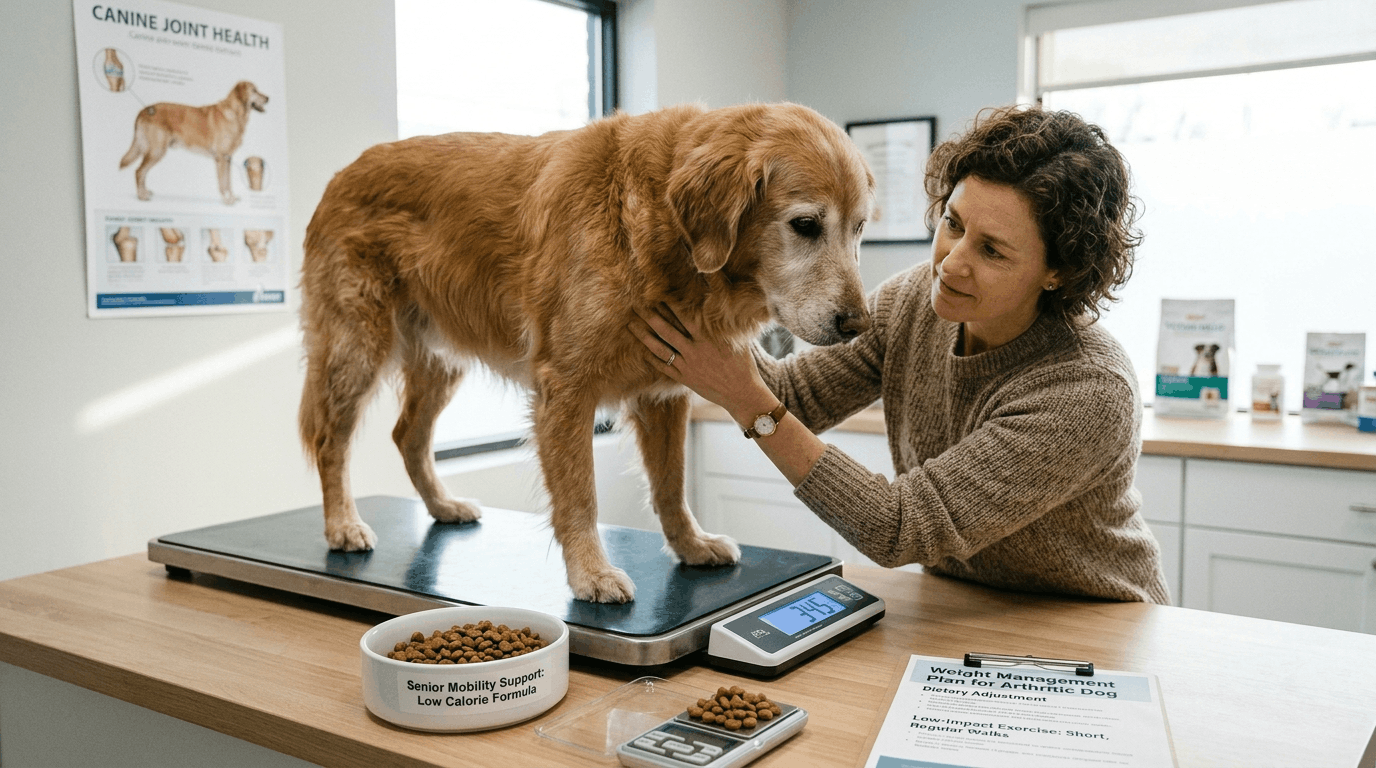
Overweight dogs sometimes develop increased inflammation, reduced mobility, poor grooming habits, and skin fold irritation. Excess weight may also contribute to hormonal imbalance affecting coat quality.
Balanced nutrition supports both healthy weight and improved skin function simultaneously.
Environmental Factors Still Matter
Nutrition supports coat health internally, but external factors also influence skin condition.
Dry climates, excessive bathing, harsh shampoos, allergens, parasites, and poor grooming habits may still affect fur quality negatively.
Owners should combine proper nutrition with gentle grooming and healthy environmental care for the best results.
Seasonal Changes Affect The Coat
Many dogs shed more during seasonal transitions.
Spring and fall often trigger major coat changes as dogs adapt to temperature shifts. During these periods, proper nutrition becomes even more important because the body requires additional support for hair regeneration.
Owners who improve dog coat nutrition consistently year-round often notice smoother seasonal coat transitions.
Supplements Can Support Skin Health
Certain supplements may benefit dogs experiencing coat problems.
Fish oil remains one of the most popular options for skin support. Additionally, probiotics, collagen, vitamin E, and joint-support supplements sometimes improve overall skin condition indirectly.
However, excessive supplementation may create imbalances. Veterinary guidance helps determine safe and appropriate options.
Stress Can Impact Coat Quality
Emotional health affects physical appearance too.
Anxious or chronically stressed dogs sometimes experience excessive shedding, overgrooming, or dull fur. Stress hormones may affect skin health over time.
Exercise, mental enrichment, consistent routines, and calm environments often improve emotional well-being alongside coat condition.
Puppies Need Balanced Nutrition Early
Healthy coat development begins during puppyhood.
Growing dogs require balanced nutrients to support skin formation, immune function, and healthy fur growth. Poor nutrition during development may contribute to weaker coat quality later.
High-quality puppy diets provide essential nutrients during critical growth stages.
Senior Dogs Often Need Nutritional Adjustments
Aging dogs frequently experience skin and coat changes.
Older dogs may develop thinner fur, dry skin, or slower hair growth because metabolism and nutrient absorption change with age. Senior diets rich in digestible protein and healthy fats often support healthier skin during later years.
Owners who improve dog coat nutrition for senior dogs may notice better comfort and reduced dryness over time.
Bathing Too Often Can Remove Natural Oils
Many owners unintentionally worsen dry skin through excessive bathing.
Frequent washing strips protective oils from the skin, especially when harsh shampoos are used. Dogs with sensitive skin often benefit from gentle bathing schedules and moisturizing products.
Nutrition helps replenish healthy oils internally while proper grooming protects the skin barrier externally.
Regular Grooming Helps Distribute Natural Oils
Brushing supports coat health naturally.
Regular brushing removes loose fur while distributing natural skin oils across the coat evenly. This process often improves shine and reduces matting or buildup.
Additionally, grooming allows owners to notice skin problems early before they become severe.
Improvement Takes Time
Healthy coat changes rarely happen overnight.
Skin cells and hair follicles need time to regenerate after dietary adjustments. Most owners begin noticing small improvements within several weeks, while larger changes may require several months.
Consistency matters greatly during this process.
Owners who improve dog coat nutrition patiently often see long-lasting results.
Balanced Nutrition Supports Overall Health
Healthy skin reflects internal wellness.
Dogs receiving balanced nutrition often experience stronger immune systems, healthier digestion, better energy levels, and improved overall condition alongside shinier coats.
Nutrition supports the entire body, not just appearance.
Improving coat quality naturally begins with understanding how food affects skin health from the inside out. Owners who improve dog coat nutrition through balanced protein, healthy fats, hydration, digestible ingredients, and proper supplementation often notice significant improvements in fur texture, shine, and skin comfort over time. While grooming products may enhance appearance temporarily, long-term coat health depends heavily on internal nutrition and overall wellness. Consistent feeding habits, gentle grooming routines, stress reduction, and quality ingredients all work together to support healthier skin naturally. With patience and steady care, most dogs can develop softer coats, reduced irritation, and healthier overall skin condition that reflects better internal health.
FAQ
1. What foods help improve coat shine naturally?
Fish oil, eggs, salmon, sardines, and balanced protein sources often support shinier coats.
2. How long does it take to see coat improvements?
Most dogs show noticeable changes within several weeks to a few months.
3. Can poor nutrition cause excessive shedding?
Yes, nutritional deficiencies sometimes contribute to dull coats and heavy shedding.
4. Are supplements necessary for healthy fur?
Some dogs benefit from supplements, although balanced diets often provide sufficient nutrients naturally.
5. Does hydration affect skin condition in dogs?
Yes, proper hydration supports healthier skin elasticity and natural oil production.