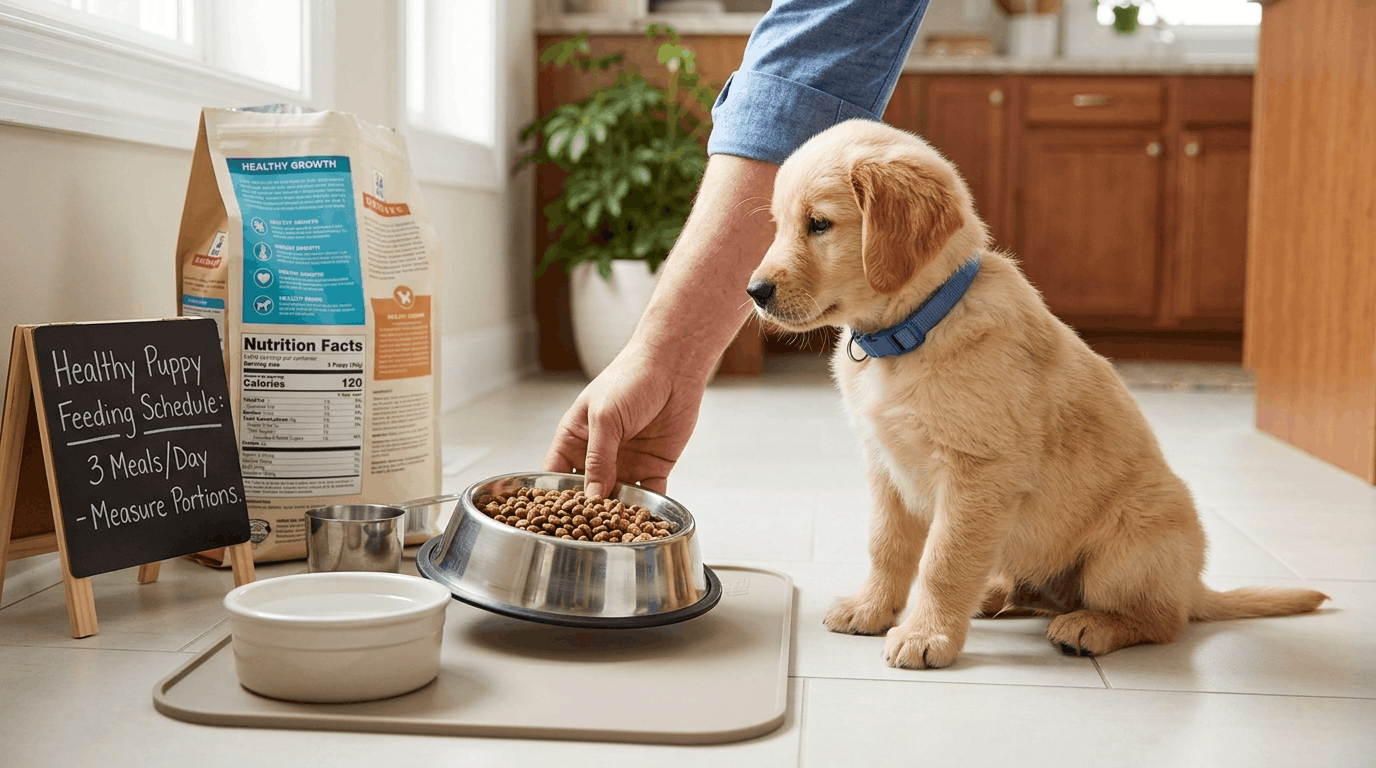
Feeding puppy for healthy growth is one of the most important responsibilities you will take on as a pet owner. From the moment your puppy arrives home, every meal plays a role in shaping their development, energy levels, and long-term health. While it may seem simple at first, proper nutrition involves more than just filling a bowl. Instead, it requires understanding your puppy’s needs, choosing the right food, and maintaining consistent habits that support steady growth.
Puppies grow rapidly, especially during their first year. Because of this, their nutritional demands are much higher than those of adult dogs. They require a careful balance of protein, fats, vitamins, and minerals to support bone development, muscle growth, and brain function. Therefore, feeding puppy for healthy growth should always focus on quality, balance, and portion control rather than convenience alone.
Understanding Your Puppy’s Nutritional Needs
To begin with, puppies need nutrient-dense food that fuels their rapid growth. Protein is essential because it supports muscle development and tissue repair. At the same time, healthy fats provide energy and help absorb important vitamins. Without these nutrients, your puppy may struggle to grow properly or maintain a healthy weight.
Equally important are vitamins and minerals such as calcium and phosphorus. These nutrients contribute to strong bones and teeth, which are critical during early development. However, too much calcium can be harmful, especially for large breeds. That is why feeding puppy for healthy growth requires a balanced formula specifically designed for puppies rather than generic dog food.
Carbohydrates also play a role, although they should not dominate the diet. They provide energy for daily activities, including play and training. Still, high-quality sources such as whole grains or vegetables are preferable over fillers. By focusing on nutrient-rich ingredients, you create a strong foundation for your puppy’s overall well-being.
Choosing The Right Puppy Food
Selecting the right food can feel overwhelming because there are countless options available. However, not all products are created equal. High-quality puppy food should list real meat as the primary ingredient, followed by wholesome grains or vegetables. Additionally, it should meet established nutritional standards for growth.
Dry kibble is a popular choice because it is convenient and helps maintain dental health. On the other hand, wet food can be more appealing to picky eaters due to its aroma and texture. Some owners prefer a mixed feeding approach, combining both options for variety and balance. Regardless of your choice, feeding puppy for healthy growth depends on consistency and quality.
It is also helpful to consider your puppy’s breed size. Small breeds often require calorie-dense food, while large breeds need controlled calcium levels to prevent joint issues. Therefore, breed-specific formulas can offer added benefits. Always read labels carefully and avoid products with excessive fillers, artificial additives, or low-quality ingredients.
How Much And How Often To Feed
Portion control is just as important as food quality. Overfeeding can lead to obesity, while underfeeding may slow development. Therefore, feeding puppy for healthy growth involves following recommended portion guidelines based on age, weight, and activity level.
Most puppies need to eat three to four times per day during their early months. As they grow, you can gradually reduce feeding frequency to two meals per day. Consistent meal times help regulate digestion and create a stable routine, which is especially helpful during training.
Pay close attention to your puppy’s body condition. You should be able to feel their ribs without seeing them prominently. If your puppy gains weight too quickly, adjust portions slightly. Conversely, if they seem underweight or low on energy, consider increasing food intake or consulting a veterinarian.
Transitioning Between Foods
At some point, you may need to switch your puppy’s food, whether due to age, preference, or health concerns. However, sudden changes can upset your puppy’s digestive system. Instead, transition gradually over seven to ten days.
Start by mixing a small amount of the new food with the current one. Then, slowly increase the proportion each day. This method helps your puppy adjust without discomfort. When feeding puppy for healthy growth, maintaining digestive stability is just as important as providing proper nutrients.
During the transition, monitor your puppy for any signs of intolerance, such as diarrhea or loss of appetite. If these symptoms persist, it may be necessary to try a different formula. Each puppy is unique, so finding the right fit may take some experimentation.
The Role Of Fresh Water And Treats
While food is essential, hydration should never be overlooked. Puppies need constant access to fresh, clean water throughout the day. Water supports digestion, nutrient absorption, and overall health. Therefore, always keep their water bowl filled and easily accessible.
Treats can also play a role in training and bonding. However, they should only make up a small portion of your puppy’s daily intake. Too many treats can disrupt feeding puppy for healthy growth by adding unnecessary calories. Instead, choose healthy, low-calorie options and use them in moderation.
You can also use portions of your puppy’s regular food as training rewards. This approach helps maintain balanced nutrition while reinforcing good behavior. Additionally, it prevents overfeeding and keeps your puppy focused during training sessions.
Common Feeding Mistakes To Avoid
Many pet owners make simple mistakes that can impact their puppy’s development. One common issue is feeding adult dog food too early. Adult formulas lack the nutrients needed for growth, which can lead to deficiencies.
Another mistake is offering table scraps. While it may seem harmless, human food often contains ingredients that are unhealthy or even toxic to dogs. Therefore, sticking to a structured feeding plan is essential when feeding puppy for healthy growth.
Inconsistent feeding schedules can also create problems. Puppies thrive on routine, and irregular meal times may lead to digestive issues or behavioral challenges. By maintaining consistency, you help your puppy feel secure and supported.
Additionally, ignoring portion guidelines can lead to overfeeding. Even high-quality food can cause weight gain if given in excess. Monitoring your puppy’s growth and adjusting portions as needed ensures they stay on a healthy path.
Supporting Long-Term Health Through Nutrition
Feeding puppy for healthy growth is not just about the early months. Instead, it lays the foundation for lifelong health. Proper nutrition during this stage reduces the risk of joint issues, obesity, and chronic conditions later in life.
As your puppy grows, their dietary needs will evolve. Transitioning to adult food at the right time ensures continued balance. Typically, this occurs around one year of age, although larger breeds may take longer. Always consult your veterinarian to determine the best timeline.
In addition to food, regular exercise and mental stimulation support healthy development. A well-rounded routine that includes proper nutrition, activity, and training creates a happy, thriving dog. By focusing on these elements, you set your puppy up for long-term success.
Conclusion
Feeding puppy for healthy growth is a commitment that requires attention, consistency, and care. From choosing high-quality food to maintaining proper portions, every decision you make influences your puppy’s development. While the process may seem complex at first, it becomes easier with knowledge and routine.
By understanding your puppy’s nutritional needs and avoiding common mistakes, you can support steady growth and overall well-being. More importantly, you build a strong foundation that benefits your dog throughout their life. With the right approach, feeding your puppy becomes more than a daily task—it becomes an investment in their future health and happiness.
FAQ
1. How often should I feed my puppy each day?
Most puppies need three to four meals daily, gradually reducing to two meals as they grow older.
2. What type of food is best for growing dogs?
High-quality puppy food with balanced protein, fats, and nutrients supports proper development.
3. When should I switch to adult dog food?
Typically around one year, although larger breeds may transition later depending on growth.
4. Can I give my puppy human food?
It is best to avoid table scraps, as many human foods are unhealthy or unsafe for dogs.
5. How do I know if my puppy is eating the right amount?
Check body condition regularly and adjust portions based on weight, energy, and growth.