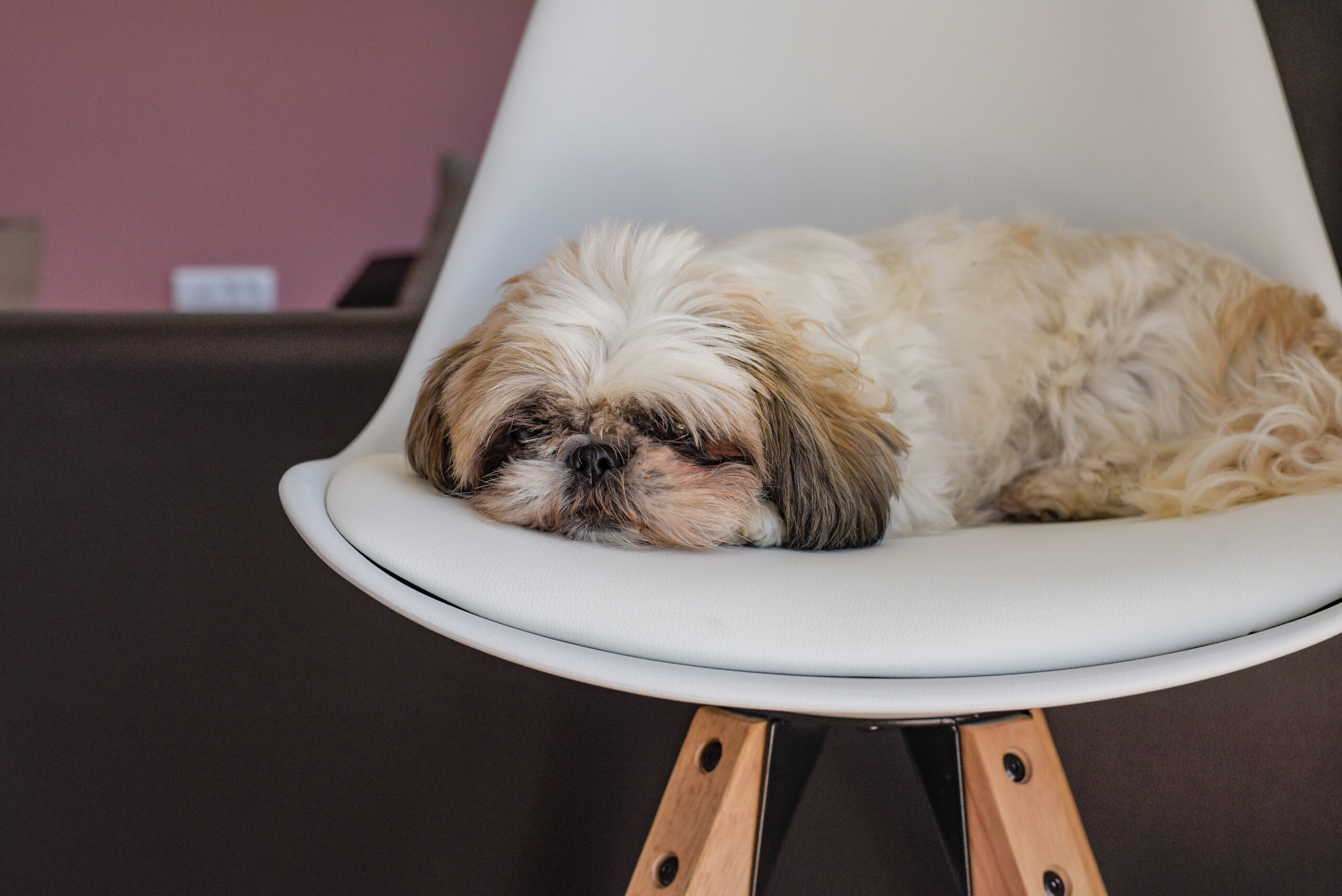
Leaving your furry best friend at home can be tough. You might wonder, how long can dogs be left alone without stress? It’s a question every responsible dog owner asks sooner or later. The truth is, the answer depends on several factors—like age, breed, personality, and environment. Let’s explore how to balance your dog’s emotional and physical needs so they stay happy even when you’re away.
Understanding a Dog’s Emotional Needs
Dogs are social creatures by nature. They’ve evolved alongside humans for thousands of years, relying on companionship for comfort and safety. When left alone for too long, many dogs feel isolated, anxious, or even fearful. This emotional stress can lead to destructive behaviors like chewing, howling, or pacing.
Think of it like this: imagine being locked in a room without your phone, TV, or friends. Boredom and loneliness quickly set in. That’s exactly how your dog feels when left alone for too long.
Transitioning gradually and setting up a positive environment are key to helping them feel safe during your absence.
How Long Can Dogs Be Left Alone Based on Age
Not all dogs have the same tolerance for being alone. Age plays a huge role in determining what’s reasonable.
Puppies (Under 6 Months)
Puppies are like toddlers—they need constant care and routine. They can typically handle only one hour alone for each month of age. So, a three-month-old puppy can be left alone for about three hours, max.
Beyond that, they risk accidents, separation anxiety, and behavioral issues. Puppies also need frequent bathroom breaks and stimulation to develop properly.
Adult Dogs (1–8 Years)
Healthy adult dogs can usually stay alone for 4 to 6 hours, depending on their temperament and training. Some well-adjusted dogs can stretch it to 8 hours if they’ve been properly conditioned. However, leaving a dog alone all day without breaks should never become a habit.
They still need companionship, exercise, and mental stimulation. A bored adult dog might start digging, barking, or tearing things apart simply out of frustration.
Senior Dogs (8+ Years)
Older dogs often have medical needs, weaker bladders, and a lower tolerance for stress. Most senior dogs shouldn’t be left alone for more than 4 hours at a time. They also appreciate gentle company and reassurance more than ever.
If you work long hours, consider hiring a pet sitter or dog walker. A midday check-in can make all the difference for your aging pet’s comfort.
Breed and Personality Matter Too
While age sets some boundaries, breed and personality fine-tune the answer.
Independent Breeds
Some breeds are naturally more independent, like the Basset Hound, Shiba Inu, or Chow Chow. These dogs are content lounging around the house for longer periods. However, independence doesn’t mean indifference—they still need love and attention when you return home.
Social Breeds
Dogs like Labrador Retrievers, Golden Retrievers, and Border Collies crave interaction. Leaving them alone too long can quickly lead to stress or even depression. These breeds thrive in active households where someone is often home or where they can join in family activities.
Personality Differences
Even within the same breed, personalities vary. Some dogs handle solitude gracefully, while others panic the moment you grab your keys. Observe your dog’s behavior. Do they whine, scratch, or follow you everywhere? Those are signs they might struggle being alone.
Recognizing Signs of Stress in Dogs Left Alone
Knowing how long can dogs be left alone isn’t just about hours—it’s about how they handle the time apart. Watch for these signs of stress or separation anxiety:
- Excessive barking or howling when alone
- Chewing furniture, doors, or shoes
- Urinating indoors despite being house-trained
- Pacing or drooling excessively
- Attempts to escape confinement
- Loss of appetite or lethargy
If your dog shows any of these symptoms, they may be experiencing separation anxiety. In that case, gradual desensitization and positive reinforcement are essential steps toward improving their comfort level.
How to Help Dogs Stay Calm When Alone
You can’t always stay home—but you can make alone time less stressful for your dog. Here are practical strategies to ease their anxiety and keep them happy:
1. Exercise Before You Leave
A tired dog is a calm dog. Take them for a brisk walk or engage in a fun play session before you go. This helps release pent-up energy and reduces stress.
2. Provide Mental Stimulation
Puzzle toys, treat dispensers, and safe chew toys keep your dog’s mind busy. These activities distract them from your absence and make the time fly by.
3. Create a Comfortable Space
Set up a cozy area where your dog feels secure. Include their favorite bed, blanket, and toys. Leaving a piece of clothing that smells like you can also help them relax.
4. Use Soothing Sounds
Soft background music or white noise can reduce anxiety. Classical music and nature sounds work wonders for many dogs.
5. Keep a Consistent Routine
Dogs thrive on predictability. Try to leave and return around the same time each day. Consistent routines teach them that your absence is temporary and not something to fear.
Training Your Dog to Be Alone
Leaving your dog alone shouldn’t happen abruptly. Gradual training makes a huge difference.
Start small—leave for five minutes, then gradually increase the duration. Always act calm when you leave and return; dramatic goodbyes and greetings can trigger anxiety. Reward your dog for calm behavior before and after your departure.
Crate training also helps some dogs feel secure. However, ensure the crate is comfortable and never used as punishment.
When You’ll Be Away Longer Than Usual
Sometimes life demands more than your usual routine—long workdays, social events, or weekend trips. In such cases, don’t leave your dog alone for extended hours.
Consider these options instead:
- Hire a dog walker: They’ll provide exercise and companionship.
- Ask a friend or neighbor: A friendly face can make a big difference.
- Doggy daycare: Perfect for social dogs that love interaction.
- Pet sitter: Ideal for overnight care or long absences.
These small arrangements show your dog that even when you’re gone, they’re still loved and cared for.
The Role of Technology in Reducing Dog Stress
Modern pet owners have a secret weapon—technology. Smart cameras and interactive devices let you check on your dog, talk to them, and even toss treats remotely.
Cameras like Furbo or Petcube offer live video streaming and two-way audio. You can reassure your pup, track their behavior, and prevent stress before it escalates.
Why Some Dogs Develop Separation Anxiety
Separation anxiety often stems from fear of abandonment. Dogs who’ve experienced trauma, shelter life, or sudden changes in routine are especially vulnerable.
Moving homes, changes in your work schedule, or loss of a companion can also trigger stress. Recognizing the cause is the first step toward helping your dog adjust.
You can build confidence through short departures, reward calmness, and avoid punishing anxious behavior. Patience and empathy go a long way here.
Practical Time Limits You Can Follow
Here’s a general guide to help you decide how long can dogs be left alone without stress:
- Puppies: 1 hour per month of age (up to 6 hours max)
- Adult dogs: 4–6 hours average, 8 hours at most for trained dogs
- Senior dogs: 2–4 hours, depending on health and mobility
Remember, every dog is unique. Use these numbers as a baseline, not a rule.
The Importance of Quality Time After Work
When you finally return home, make that time count. Dogs live for your attention, and reconnecting strengthens your bond.
Take them for a walk, play fetch, or simply cuddle on the couch. Quality interaction helps erase the loneliness they felt during your absence. It also teaches them that being alone isn’t permanent—love always comes back.
Conclusion
So, how long can dogs be left alone without stress? The answer depends on age, breed, and personality—but most dogs do best with no more than 4 to 6 hours alone. The key is preparation, training, and understanding. By giving your dog enough exercise, stimulation, and affection, you can ensure they stay calm, safe, and content even when you’re not around.
Remember, your dog doesn’t count the hours—they just wait for you to come home. Make every moment together worth the wait.
FAQs
1. Can I leave my dog alone for 8 hours while I’m at work?
It’s possible for some adult dogs if they’re trained and comfortable, but it’s best to provide breaks or hire a dog walker to avoid stress.
2. How do I know if my dog has separation anxiety?
Watch for excessive barking, destruction, or potty accidents when left alone. These behaviors often indicate anxiety.
3. Do crate-trained dogs handle being alone better?
Yes, if the crate is introduced positively. It creates a safe den-like space that can reduce anxiety during short absences.
4. What’s the best way to keep my dog entertained when I’m gone?
Provide puzzle toys, treat dispensers, and background music to keep them mentally stimulated and relaxed.
5. Is it okay to leave two dogs alone together?
Usually yes, if they get along well. Having a companion can reduce stress, but monitor them initially to ensure harmony.