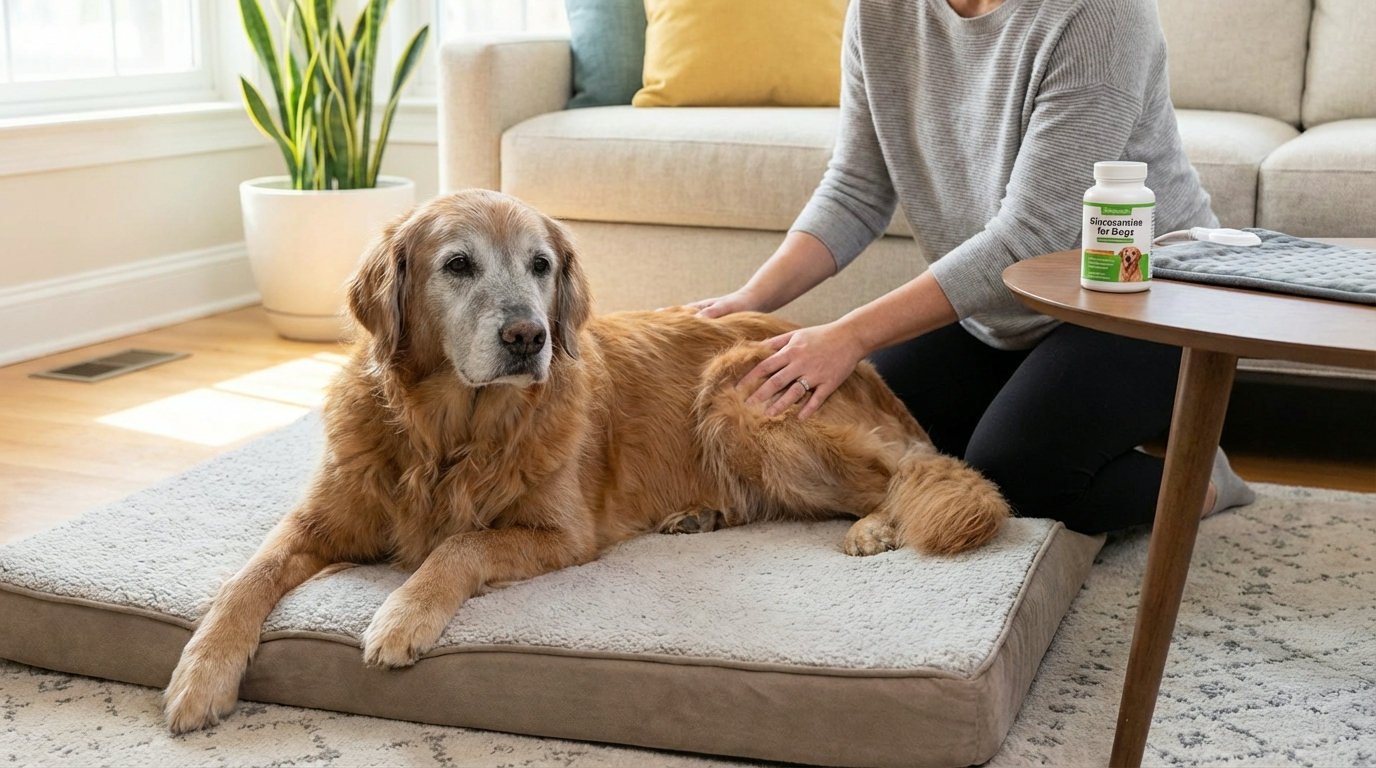
Learning how to manage joint pain in senior dogs is one of the most meaningful ways to support your dog’s comfort as they age. Joint pain rarely appears overnight. Instead, it develops quietly, showing up as stiffness, slower movement, or hesitation during everyday activities. While aging is unavoidable, unnecessary discomfort is not.
Senior dogs still want to explore, follow routines, and stay close to their people. However, joint pain can slowly take those moments away if it is not addressed early. The good news is that joint pain can be managed effectively with the right combination of awareness, lifestyle adjustments, and ongoing care.
Managing joint pain is not about chasing youth. It is about preserving ease, confidence, and dignity in the years that matter most.
Understanding Joint Pain in Senior Dogs
To manage joint pain in senior dogs effectively, it helps to understand what is happening inside the joints. Healthy joints rely on cartilage, lubrication, and smooth movement between bones. Over time, cartilage wears down and joint fluid decreases.
Arthritis is the most common cause of joint pain in older dogs. It leads to inflammation, stiffness, and reduced flexibility. Hips, knees, elbows, and the spine are most often affected.
Previous injuries can also resurface with age. Old ligament damage or fractures may create uneven movement patterns, increasing stress on joints.
Although joint degeneration cannot be reversed, its progression can be slowed significantly when addressed early.
Early Signs of Joint Pain in Senior Dogs
Dogs instinctively hide discomfort. Because of this, joint pain often goes unnoticed until it becomes advanced.
Early signs may include slower rising after rest, reluctance to climb stairs, or hesitation before jumping. Walks may become shorter. Your dog may lag behind or stop more often.
Behavioral changes also matter. Irritability, restlessness, or decreased interest in play can signal pain. Some dogs lick or chew joints repeatedly.
Stiffness that improves after movement is a classic indicator of arthritis. Recognizing these signs early allows you to manage joint pain in senior dogs before mobility declines further.
Why It’s Important to Manage Joint Pain in Senior Dogs Early
Early joint pain management protects what remains healthy. When inflammation is reduced early, cartilage breakdown slows. Muscle mass stays stronger. Mobility lasts longer.
Pain-free movement encourages activity. Activity maintains joint lubrication and muscle support. This creates a positive cycle instead of decline.
Delayed management often leads to reduced movement. That causes muscle loss, weight gain, and worsening stiffness.
Managing joint pain early preserves independence and confidence. It also reduces the need for aggressive treatments later.
Weight Management to Reduce Joint Pain in Senior Dogs
Excess weight is one of the most damaging factors for aging joints. Even small weight gains increase pressure on hips, knees, and elbows.
Maintaining a healthy weight helps manage joint pain in senior dogs more effectively than almost any other single change. Less weight means less friction and inflammation.
Portion control matters. Treats should be limited and accounted for. Table scraps often contribute more calories than expected.
Gradual weight loss protects muscle while reducing joint stress. Many dogs show improved mobility within weeks of shedding excess weight.
Nutrition That Helps Manage Joint Pain in Senior Dogs
Nutrition forms the foundation of joint support. The right diet fuels repair, reduces inflammation, and supports muscle.
High-quality protein is essential. Strong muscles help stabilize joints and absorb shock. Senior dogs still need adequate protein to maintain strength.
Omega-3 fatty acids play a critical role. These healthy fats reduce inflammation and improve joint comfort. Fish-based sources are especially beneficial.
Glucosamine and chondroitin support cartilage health. Antioxidants protect joint tissue from oxidative damage.
Consistent nutrition supports long-term comfort rather than short-term relief.
Joint-Support Nutrients for Senior Dog Mobility
Key nutrients that support joint mobility include glucosamine, chondroitin, MSM, and omega-3 fatty acids. These compounds work gradually but consistently.
Vitamin E and vitamin C help manage inflammation. Natural sources such as blueberries and leafy greens provide antioxidant benefits.
A diet designed for senior dogs often balances calories while prioritizing joint support nutrients.
Supplements That Help Manage Joint Pain in Senior Dogs
Supplements can enhance a balanced diet when used correctly. They are not instant solutions, but they offer steady support.
Glucosamine and chondroitin are widely used together. Benefits typically appear after several weeks of consistent use.
Green-lipped mussel shows promise for reducing joint inflammation. Turmeric-based supplements may also help when formulated safely for dogs.
Veterinary guidance is important. Proper dosing and ingredient quality determine effectiveness.
Used responsibly, supplements help manage joint pain in senior dogs effectively over time.
Safe Exercise to Manage Joint Pain in Senior Dogs
Movement is essential, but intensity must be controlled. Exercise keeps joints flexible and muscles strong.
Short, frequent walks are better than long, exhausting sessions. Low-impact movement reduces stiffness without strain.
Swimming is ideal. Water supports body weight while allowing full range of motion.
Avoid sudden stops, sharp turns, or jumping. Warm up slowly and cool down gently.
Consistency matters more than duration. Daily movement maintains comfort.
Low-Impact Activities for Senior Dogs With Joint Pain
Gentle leash walks, swimming, and controlled indoor play work well. Puzzle games that encourage movement without strain are helpful.
Stretching exercises recommended by a professional may also improve flexibility.
Home Adjustments That Reduce Joint Stress in Senior Dogs
Small changes at home significantly reduce discomfort. Non-slip rugs prevent falls on hard floors.
Ramps replace jumping onto beds or cars. Orthopedic beds support joints during rest.
Elevated food and water bowls reduce strain on the neck and shoulders.
Blocking unsafe stairs prevents injury. Comfort-focused environments support daily ease.
Veterinary Treatments for Managing Joint Pain in Senior Dogs
Sometimes lifestyle changes are not enough. Veterinary care plays an essential role.
Anti-inflammatory medications reduce pain and swelling. Regular monitoring ensures safety during long-term use.
Joint injections or advanced therapies may be recommended in severe cases.
Pain management works best when combined with nutrition, exercise, and home support.
Never give human pain medication to dogs. Many are dangerous.
Alternative Therapies for Senior Dog Joint Pain Relief
Complementary therapies offer additional options. Physical therapy strengthens muscles safely.
Laser therapy reduces inflammation and supports tissue healing. Acupuncture may reduce pain perception in some dogs.
Massage improves circulation and relaxation. These therapies work best alongside traditional care.
Mental Health Support for Senior Dogs With Joint Pain
Joint pain affects emotional wellbeing. Reduced movement can lead to boredom or anxiety.
Mental stimulation becomes increasingly important. Puzzle toys, scent games, and gentle training sessions keep minds engaged.
Positive interaction builds confidence. Short, successful activities replace frustration.
Mental enrichment supports physical recovery and overall happiness.
Weather-Related Joint Pain Flare-Ups in Senior Dogs
Cold and damp weather often increase stiffness. Warm bedding helps during colder months.
Indoor movement maintains circulation when outdoor walks are limited.
During heat, exercise early or late. Overheating worsens inflammation.
Seasonal adjustments keep joint pain manageable year-round.
Monitoring Progress When Managing Joint Pain in Senior Dogs
Joint pain management is ongoing. Progress should be monitored regularly.
Observe movement, posture, and energy levels. Note changes in behavior or appetite.
Routine veterinary checkups support early intervention if conditions change.
Flexibility ensures continued comfort as needs evolve.
Common Mistakes When Managing Joint Pain in Senior Dogs
Over-exercising is a frequent mistake. Too much movement causes setbacks.
Ignoring weight gain delays improvement. Skipping routines reduces effectiveness.
Inconsistent supplementation limits results. Patience is required.
Avoiding veterinary input increases risk. Balanced care prevents complications.
Creating a Daily Routine to Manage Joint Pain in Senior Dogs
Routine builds stability. Gentle morning movement reduces stiffness.
Balanced meals support energy. Scheduled rest allows recovery.
Evening walks maintain circulation. Predictability reduces anxiety.
Daily routines promote comfort and confidence.
When Joint Pain in Senior Dogs Requires Immediate Care
Sudden limping, refusal to move, or vocalizing pain require prompt attention.
Rapid changes may indicate injury or serious conditions.
Trust your instincts. Early care prevents long-term damage.
Emotional Support for Dogs Living With Chronic Joint Pain
Senior dogs sense frustration. Patience and reassurance matter.
Celebrate small improvements. Encourage movement gently.
Your presence provides security. Emotional support strengthens resilience.
Conclusion
Knowing how to manage joint pain in senior dogs effectively transforms aging from decline into adaptation. While joints may change, comfort and joy do not have to disappear.
Through thoughtful nutrition, appropriate exercise, supportive environments, and veterinary guidance, joint pain can be controlled successfully. Each small adjustment adds up to easier movement and better days.
Senior dogs offer unwavering loyalty shaped by time. Supporting their comfort honors that bond and ensures their later years remain active, peaceful, and filled with connection.
FAQ
1. At what age do dogs usually develop joint pain?
Most dogs show signs between seven and ten years old, depending on breed and size.
2. Can joint pain in senior dogs be cured?
Joint pain cannot be cured, but it can be managed effectively with consistent care.
3. Is exercise safe for dogs with arthritis?
Yes, low-impact exercise helps maintain flexibility and reduce stiffness.
4. Are joint supplements safe for senior dogs?
Most are safe when used properly, but veterinary guidance is recommended.
5. How long does it take to see improvement with joint pain management?
Many dogs show improvement within several weeks when multiple strategies are combined.