Seeing your dog slow down can be hard. One day they move with ease. Later, simple actions take effort. If you are looking for older dog mobility help, you are already taking the right step.
Fortunately, slower movement does not end a happy life. With thoughtful care, senior dogs often regain comfort and confidence. Even small changes can improve daily movement.
Let’s explore how to support aging dogs in ways that truly help.
Why Dogs Lose Mobility as They Age
As dogs grow older, their bodies change. Joints wear down over time. Muscles lose strength. Balance also becomes less stable.
Most often, arthritis is the cause. Cartilage thins and joints become stiff. As a result, pain limits movement. In other cases, hip or spine issues may develop.
However, pain is not always obvious. Dogs hide discomfort well. Instead of whining, they move less. They pause before jumping. They avoid slippery floors.
Because of this, early older dog mobility help starts with careful observation.
Early Signs Your Dog Needs Mobility Support
Mobility changes usually appear slowly. Still, the signs are easy to miss.
Your dog may walk behind you instead of leading. Getting up from rest might take longer. Nails may scrape the floor more often. Sometimes, slipping becomes common.
Behavior can change too. Some dogs stop playing. Others seem irritable. Appetite may drop when movement feels uncomfortable.
Once these signs appear, support should begin. Early action often prevents faster decline.
Why Gentle Movement Still Matters
It may seem kinder to let older dogs rest more. However, too much rest causes stiffness.
Without movement, joints tighten. Muscles weaken. Balance declines. Over time, movement feels harder.
Gentle activity keeps joints flexible. It also supports mood and confidence. Dogs enjoy routine, even in old age.
For this reason, older dog mobility help should balance rest with safe activity.
Making Your Home Safer for Senior Dogs
Your home environment affects mobility every day. Simple changes can make a big difference.
Slippery floors reduce confidence. Adding rugs or mats improves traction quickly. Dogs feel safer when they can grip the floor.
Stairs are another challenge. Ramps offer safer access to beds and cars. When stairs remain, carpet treads help reduce falls.
Orthopedic beds support joints. Raised bowls reduce strain. Soft lighting helps dogs move at night.
Together, these changes support easier movement indoors.
How Weight Impacts Mobility
Extra weight adds pressure to aging joints. Even small weight gain increases pain.
Overweight dogs often move less. As a result, muscles weaken faster. This creates a cycle that worsens mobility.
Weight loss should be slow and steady. Sudden cuts can weaken muscles. Instead, focus on portion control and quality food.
A veterinarian can help set healthy goals. Often, small weight changes bring clear improvement.
Choosing the Right Exercise for Older Dogs
Exercise should continue, but it must change with age.
Short walks work better than long ones. Flat paths reduce joint stress. Soft ground protects paws and hips.
Swimming is helpful when available. Water supports body weight while allowing movement. Many dogs enjoy it.
Light play still matters. Slow fetch, scent games, and puzzle toys keep muscles active.
Consistency matters more than intensity. Daily movement supports long-term health.
Building Strength to Protect Joints
Strong muscles help protect joints. When muscles weaken, joints absorb more stress.
Simple exercises help build strength. Sit-to-stand movements strengthen legs. Gentle uphill walks also help.
Balance exercises improve control. Standing on different surfaces challenges stabilizing muscles.
Start slowly and watch closely. If your dog seems tired, pause and adjust.
Nutrition That Supports Mobility
Nutrition plays a key role in older dog mobility help.
Omega-3 fatty acids reduce inflammation. Joint supplements support cartilage. Antioxidants protect aging cells.
Protein remains important. Without enough protein, muscle loss increases.
Avoid foods with fillers that add weight. Instead, choose diets made for senior dogs.
Before adding supplements, speak with your vet.
Managing Pain to Improve Movement
Pain limits movement more than stiffness alone. Therefore, pain control matters.
Veterinary medications reduce swelling and discomfort. When used correctly, they improve daily comfort.
Other options may help as well. Massage and laser therapy provide relief for many dogs. These treatments also promote relaxation.
Pain plans should fit the individual dog. Each one responds differently.
Using Mobility Aids Without Fear
Mobility aids support independence. They do not weaken dogs.
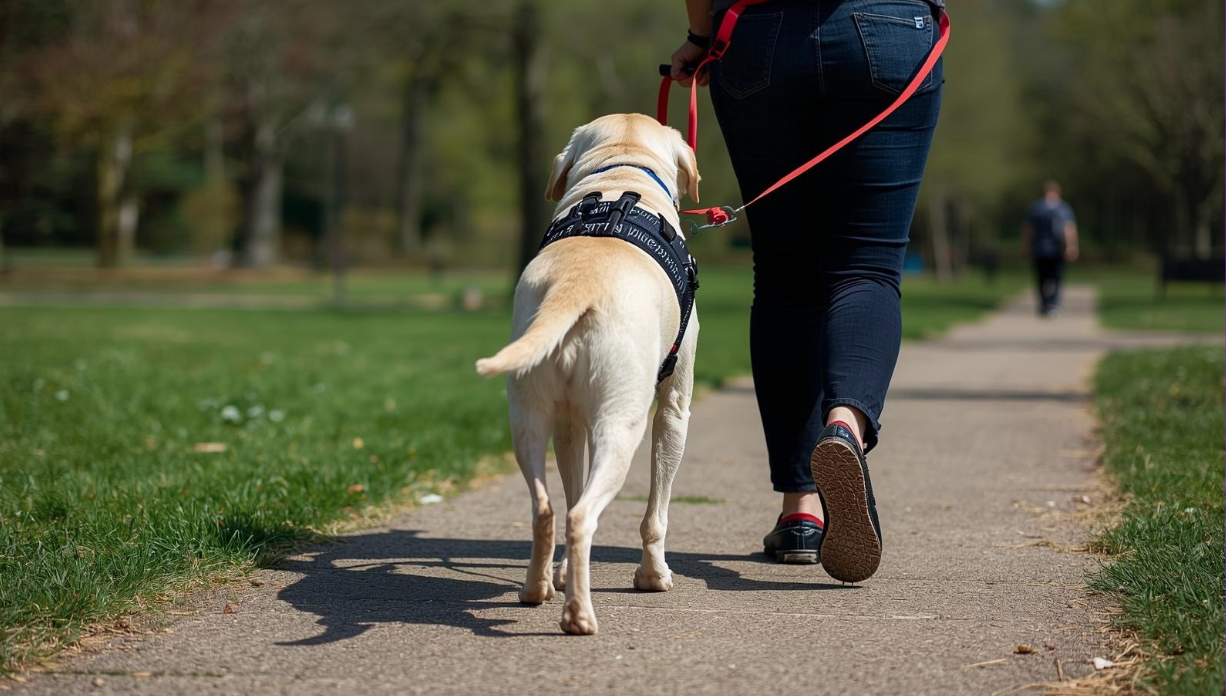
Harnesses help with balance. Slings assist on stairs. Wheelchairs restore movement in severe cases.
Fit is essential. Poor fit causes frustration.
Introduce aids slowly. Use praise and treats. Most dogs adapt quickly.
Mental Health and Movement Are Connected
Reduced movement can affect mood. Dogs may seem withdrawn or anxious.
Mental stimulation helps. Training games keep minds sharp. Scent work engages instincts without strain.
Routine also provides comfort. Predictable schedules reduce stress.
A calm mind supports better movement.
Why Routine Helps Senior Dogs
Older dogs feel safer with structure. Routine reduces uncertainty.
Regular walks build confidence. Consistent meals support energy levels. Familiar paths feel secure.
Sudden changes may cause stress. New layouts or schedules can disrupt movement.
When changes happen, introduce them slowly.
When to Seek Professional Support
Sometimes home care is not enough.
Veterinary exams uncover hidden issues. Canine therapists create exercise plans. Rehab specialists offer advanced care.
Early help improves outcomes. Waiting often limits options.
If movement declines quickly, seek guidance.
Adjusting Care Through the Seasons
Weather affects joints. Cold causes stiffness. Heat reduces energy.
During winter, warm bedding helps. Gentle warm-ups reduce stiffness.
In summer, walk early or late. Hydration becomes essential.
Seasonal changes protect comfort year-round.
Rebuilding Confidence After Slips
A fall can reduce confidence. Dogs may hesitate afterward.
After slipping, improve traction. Slow activity briefly.
Avoid forcing movement. Instead, build trust through success.
Confidence returns with positive experiences.
The Emotional Side of Aging Care
Caring for an older dog brings emotion. Time feels more noticeable.
However, bonds deepen. Care becomes intentional.
Focus on what your dog still enjoys. Adjust expectations gently.
Presence matters more than perfection.
Planning for Ongoing Mobility Support
Mobility needs change over time. Regular review helps.
Adjust routines as needed. Update equipment. Modify exercise.
Flexibility keeps care effective.
Conclusion: Supporting Movement With Care and Respect
Helping older dogs with decreased mobility is about dignity and love. With patience and steady care, movement remains part of life. Every step still matters. Every shared moment counts.
FAQ
1. How do I know if my dog is in pain or just aging?
Stiffness, hesitation, and behavior changes often signal pain.
2. Are supplements enough for older dog mobility help?
They help most when combined with exercise and weight control.
3. How much activity should a senior dog get?
Short, gentle sessions tailored to comfort work best.
4. Do mobility aids reduce independence?
No. They often increase confidence and freedom.
5. When should I talk to a vet about mobility?
At the first noticeable change.