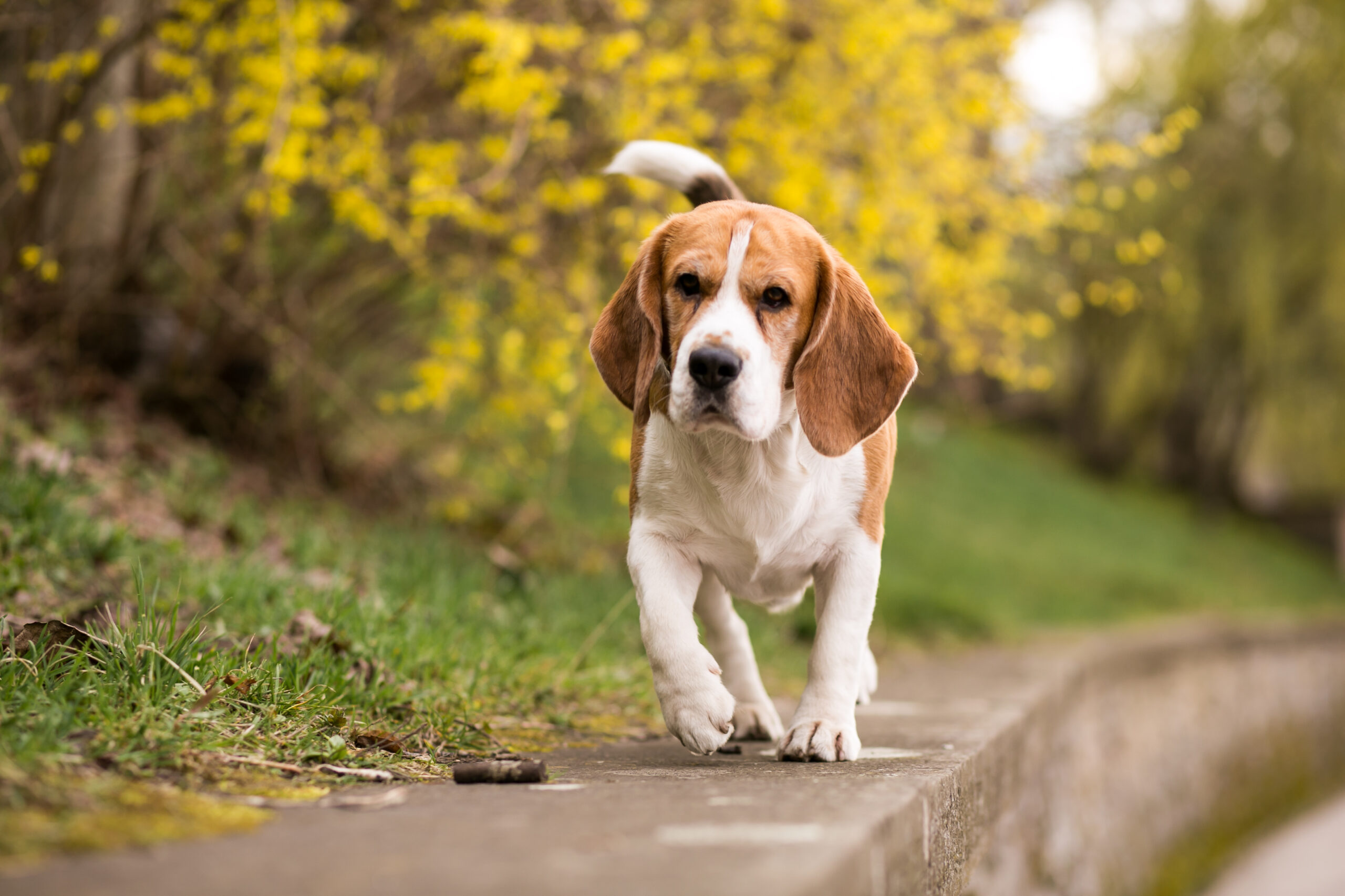
Traveling can be exciting, but for dog owners, it also brings one major concern—what happens to your furry friend while you’re away? Finding safe ways to leave your dog home while traveling is essential for your peace of mind and your pet’s well-being. Whether it’s a weekend getaway or an extended trip, preparation and thoughtful planning can make all the difference.
Let’s explore how you can ensure your dog stays safe, comfortable, and happy even when you’re not there.
Understanding Your Dog’s Needs Before You Leave
Every dog reacts differently when their owner goes away. Some stay calm, while others feel anxious or lonely. Understanding your dog’s personality helps you plan accordingly.
If your dog is independent, staying home with minimal supervision may be fine. However, if your pup suffers from separation anxiety, you’ll need to take extra steps—like hiring a sitter or arranging for companionship.
Think about these factors before making a decision:
- Age and health of your dog
- Temperament and social comfort
- Duration of your trip
- Feeding, exercise, and medication needs
Knowing these details ensures you choose the safest option tailored to your dog’s comfort level.
Option 1: Hire a Trusted Dog Sitter
One of the safest ways to leave your dog home while traveling is hiring a professional dog sitter. A sitter offers personalized care, keeps your pet’s routine intact, and provides companionship.
You can choose between live-in sitters or those who visit several times a day. Live-in sitters are ideal for dogs who crave company and consistency, while part-time visits work well for independent dogs.
When selecting a sitter:
- Check reviews and references
- Arrange a meet-and-greet
- Share emergency contacts and vet details
- Provide clear care instructions
A good sitter not only cares for your dog but also gives you peace of mind knowing your best friend is safe and loved.
Option 2: Ask a Family Member or Friend
Sometimes the best care comes from someone your dog already knows. Asking a trusted family member or friend can be a comforting choice for both you and your dog.
Because your dog is familiar with them, stress levels stay low. It’s also easier to communicate your dog’s habits, preferences, and quirks.
Before you leave, prepare everything they’ll need:
- A written schedule for feeding and walks
- Vet contact info and medical details
- House keys and instructions
- Favorite toys or blankets for comfort
Offering a small thank-you gift afterward—like a gift card or a souvenir—shows appreciation for their time and effort.
Option 3: Use a Dog Boarding Service
Professional dog boarding facilities can be a great option when you’re away for longer periods. These facilities offer trained staff, regular feeding times, and social opportunities with other dogs.
However, not all boarding facilities are created equal. Before booking, take time to visit the place in person. Look for cleanliness, secure fencing, and a calm environment. Staff should be knowledgeable, patient, and attentive.
Ask these key questions:
- How often are dogs exercised?
- What’s the emergency procedure?
- Are vaccinations required?
- Can you bring your dog’s own food or bedding?
When you find a reliable facility, boarding can feel like a vacation for your dog too—filled with playtime and care.
Option 4: Hire a Drop-In Pet Care Service
If your trip is short, a drop-in pet care service can be a convenient choice. These services allow professionals to visit your home to feed, walk, and play with your dog a few times daily.
This keeps your dog in familiar surroundings—an advantage for pets that feel anxious in new environments. Many companies also send photo updates or live check-ins, so you can see your pup is doing just fine.
When using such a service, make sure to:
- Set a consistent schedule for visits
- Leave access instructions and backup keys
- Prepare food, treats, and clean water in advance
Even a few friendly visits each day can make your dog feel safe and cared for.
Option 5: Prepare Your Home for Safety and Comfort
Even if someone will be checking in, your home should be ready for your dog’s comfort and safety. Preparation reduces stress and prevents accidents.
Here’s what to do before leaving:
- Close off unsafe rooms or stairs
- Keep food, medications, and plants out of reach
- Provide extra water bowls in multiple spots
- Ensure temperature control (especially in summer or winter)
- Leave familiar sounds—like soft music or a TV—for comfort
Consider using pet cameras to monitor your dog remotely. Seeing them happy and calm can ease your own travel stress.
Option 6: Keep Your Dog’s Routine Consistent
Dogs thrive on routine. Changes can lead to confusion, stress, or even health issues. One of the safest ways to leave your dog home while traveling is to make sure their daily schedule stays predictable.
Maintain regular feeding and walking times, and make sure caregivers stick to familiar commands and meal portions. Leave written instructions detailing bedtime routines, favorite toys, and walking paths.
If your dog is on medication, prepare labeled doses in advance. Clear, simple guidance ensures no steps are missed.
Option 7: Use Technology to Stay Connected
Thanks to modern pet tech, staying connected to your dog while traveling is easier than ever. Pet cameras with two-way audio let you see and talk to your dog in real-time. Smart feeders can dispense meals on schedule, and GPS collars track movement if your dog has outdoor access.
This virtual connection can comfort both you and your dog. Seeing your familiar face—or hearing your voice—can soothe your pet’s anxiety and remind them you’ll be home soon.
Option 8: Help Your Dog Adjust Before You Go
If your dog has never been left alone for long, practice before your trip. Start by leaving for short periods and gradually increase the time away.
Reward calm behavior with treats and praise. This builds confidence and helps your dog associate your absence with positive experiences.
You can also introduce your sitter or caregiver a few days before departure so your dog feels comfortable. Familiarity eases anxiety and creates trust.
Option 9: Consider Your Dog’s Emotional Health
Physical safety is important, but emotional comfort matters just as much. Dogs are deeply attached to their owners and can feel lonely when left alone.
Provide familiar scents by leaving unwashed clothing near their bed. Play calming music or white noise to soothe them. Some owners even use pheromone diffusers that help reduce anxiety naturally.
A little emotional support goes a long way toward making your dog feel loved, even in your absence.
Conclusion
Leaving your dog home while traveling doesn’t have to be stressful—for you or your pet. By preparing ahead, choosing trustworthy care, and maintaining routines, you can ensure your dog feels secure and content while you’re away.
The key to success is simple: plan thoughtfully, communicate clearly, and put your dog’s comfort first. With the right care and preparation, you can travel with confidence, knowing your furry friend is safe and happy waiting for your return.
FAQ
1. How long can I safely leave my dog home alone while traveling?
For short trips under 24 hours, most dogs can manage with drop-in visits. Longer trips require a sitter, family help, or boarding.
2. Should I leave my dog with a friend or use a professional sitter?
If your dog is anxious, a familiar friend may be best. For extended care, a professional sitter ensures reliable, structured attention.
3. What’s the best way to reduce my dog’s stress while I’m away?
Keep routines consistent, leave familiar items nearby, and use calming aids like music or pheromone diffusers.
4. Is boarding safe for older dogs?
Yes, but choose facilities experienced with senior pets. Inform staff about medication schedules, diet, and mobility needs.
5. Can I monitor my dog remotely while I travel?
Absolutely. Pet cameras and smart feeders let you watch, talk to, and even feed your dog from anywhere, offering peace of mind.