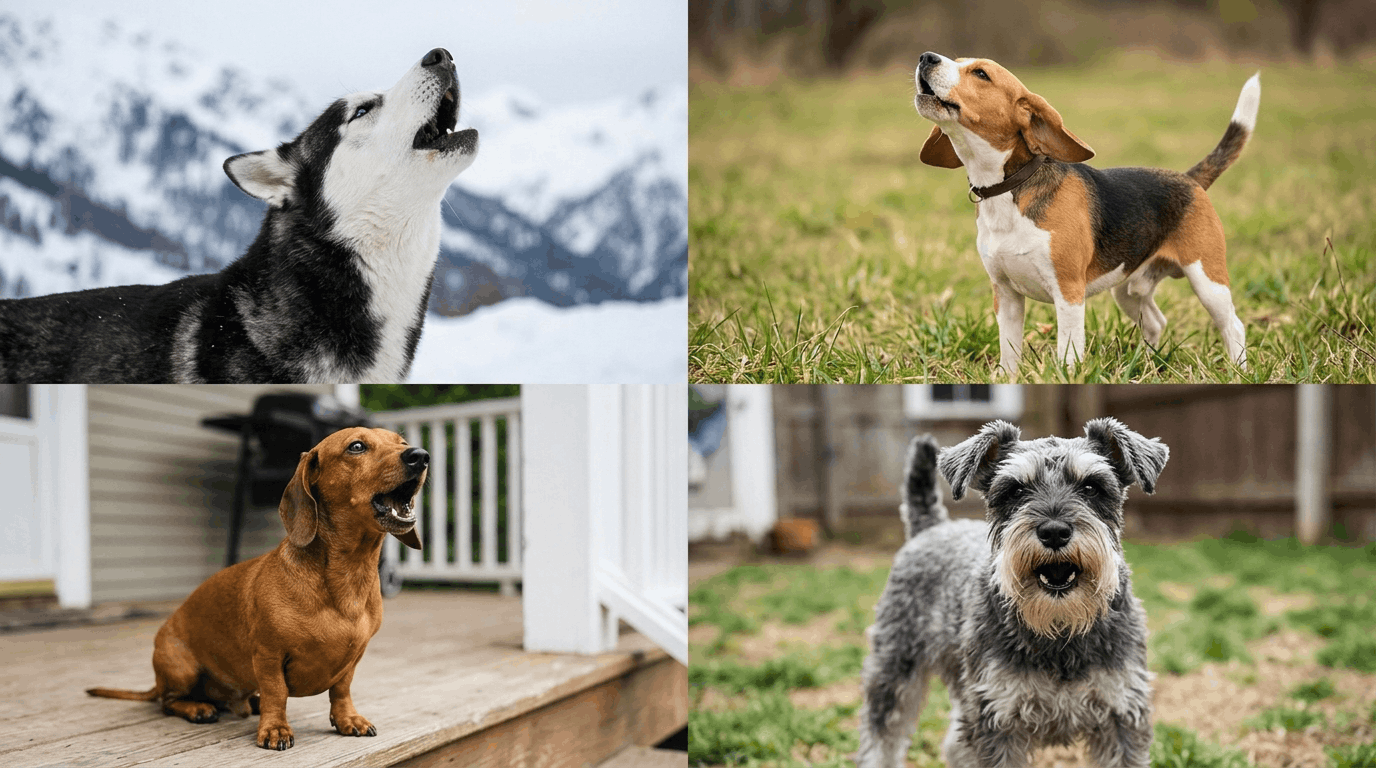
Vocal dog breeds are often full of personality, energy, and a strong desire to communicate with their owners. From playful howls to alert barking, these dogs use their voices in ways that can be both charming and overwhelming. While some pet owners enjoy this expressive behavior, others may find it challenging without proper understanding and training. Therefore, learning about vocal dog breeds is essential before bringing one into your home.
Dogs bark for many reasons, including excitement, alertness, boredom, or even loneliness. However, certain breeds are naturally more talkative due to their history and instincts. For example, herding and hunting breeds often rely on vocal signals to perform their roles effectively. Because of this, vocal dog breeds tend to communicate more frequently and with greater intensity than quieter counterparts.
Why Some Dogs Are More Vocal Than Others
To understand vocal dog breeds, it helps to look at their origins. Many of these dogs were bred for tasks that required constant communication. For instance, hounds used barking to alert hunters, while guard dogs relied on vocal warnings to protect property. As a result, these traits have been passed down through generations.
Additionally, personality plays a major role. Some dogs are naturally more expressive and thrive on interaction. Therefore, they may bark or howl simply to engage with their owners. Environmental factors also influence behavior. Dogs that feel bored or under-stimulated are more likely to vocalize frequently.
Training and socialization can either reduce or reinforce these tendencies. When managed properly, vocal dog breeds can learn when it is appropriate to bark and when to remain quiet. However, without guidance, their natural instincts may become overwhelming.
Popular Vocal Dog Breeds To Know
Several breeds are well-known for their talkative nature. Among the most recognizable are Beagles, which are famous for their distinctive baying sound. These dogs were bred for hunting and use their voices to track scents over long distances. Because of this, they tend to vocalize often, especially when excited.
Siberian Huskies are another example of vocal dog breeds. Unlike typical barkers, Huskies are known for their howling and “talking” sounds. They often mimic human speech patterns, which many owners find entertaining. However, this behavior can become excessive without proper stimulation and exercise.
Chihuahuas, despite their small size, are surprisingly vocal. They tend to bark at unfamiliar people or noises, making them effective watchdogs. Similarly, Dachshunds are known for their bold personalities and loud barking, often reacting quickly to any perceived threat.
Other vocal dog breeds include Yorkshire Terriers, Pomeranians, and Miniature Schnauzers. These smaller breeds often bark to communicate excitement or alertness. Meanwhile, larger breeds like German Shepherds and Doberman Pinschers use their voices as part of their protective instincts.
Living With A Talkative Dog
Living with vocal dog breeds requires patience, consistency, and understanding. While their expressive nature can be enjoyable, it can also lead to challenges if not managed properly. Therefore, it is important to set clear boundaries early on.
Regular exercise is one of the most effective ways to reduce excessive barking. Dogs that burn off energy through physical activity are less likely to vocalize out of boredom. In addition, mental stimulation plays a crucial role. Puzzle toys, training sessions, and interactive games can keep your dog engaged and satisfied.
Socialization is another key factor. When dogs are exposed to different environments, people, and sounds, they become more confident and less reactive. As a result, vocal dog breeds are less likely to bark excessively at unfamiliar situations.
Consistency in training is essential. Teaching commands such as “quiet” can help control barking behavior. Rewarding calm behavior reinforces positive habits, while ignoring attention-seeking barking prevents reinforcement of unwanted actions.
Managing Excessive Barking
Even with proper care, vocal dog breeds may sometimes bark more than desired. However, there are effective strategies to manage this behavior without causing stress or fear. First, identify the cause of the barking. Is your dog reacting to noise, seeking attention, or expressing anxiety?
Once you understand the trigger, you can address it directly. For example, if your dog barks at passing strangers, limiting visual access to windows may help. If boredom is the issue, increasing activity levels can reduce unwanted vocalization.
Training tools can also assist when used responsibly. However, they should always complement positive reinforcement techniques rather than replace them. Over time, vocal dog breeds can learn to control their instincts and respond appropriately.
Avoid punishing your dog for barking, as this can create confusion and anxiety. Instead, focus on redirecting their behavior and rewarding silence. This approach builds trust and strengthens your relationship with your pet.
Are Vocal Dog Breeds Right For You
Choosing one of the vocal dog breeds depends largely on your lifestyle and preferences. If you enjoy an interactive and expressive companion, these dogs can bring a lot of joy. Their communication often makes them feel more connected and responsive to their owners.
However, if you live in an apartment or prefer a quieter environment, a highly vocal dog may not be the best fit. Frequent barking can lead to complaints or stress if not managed properly. Therefore, it is important to consider your living situation before making a decision.
Time commitment is another factor. Vocal dog breeds require consistent training, exercise, and attention. Without these, their natural tendencies may become problematic. On the other hand, with proper care, they can become well-behaved and enjoyable companions.
Conclusion
Vocal dog breeds offer a unique blend of personality, intelligence, and expressiveness that many dog lovers appreciate. While their tendency to bark or howl can be challenging, it also reflects their natural instincts and desire to communicate. With the right approach, these traits can be managed effectively.
By understanding their needs, providing proper training, and maintaining a consistent routine, you can enjoy the benefits of owning a talkative dog without the drawbacks. Ultimately, vocal dog breeds can make wonderful companions for those who are prepared to embrace their lively and communicative nature.
FAQ
1. Which dogs are known for being the most talkative?
Breeds like Huskies, Beagles, and Chihuahuas are widely recognized for their vocal nature and expressive communication.
2. Can barking behavior be reduced with training?
Yes, consistent training and positive reinforcement can help control excessive barking over time.
3. Are smaller dogs more vocal than larger ones?
Not always, although many small breeds tend to bark more frequently due to alertness and sensitivity.
4. Why do some dogs howl instead of bark?
Howling is often linked to ancestry, especially in breeds like Huskies that have wolf-like traits.
5. Is it possible to live comfortably with a talkative dog?
Yes, with proper exercise, training, and structure, most vocal dogs can adapt well to home life.