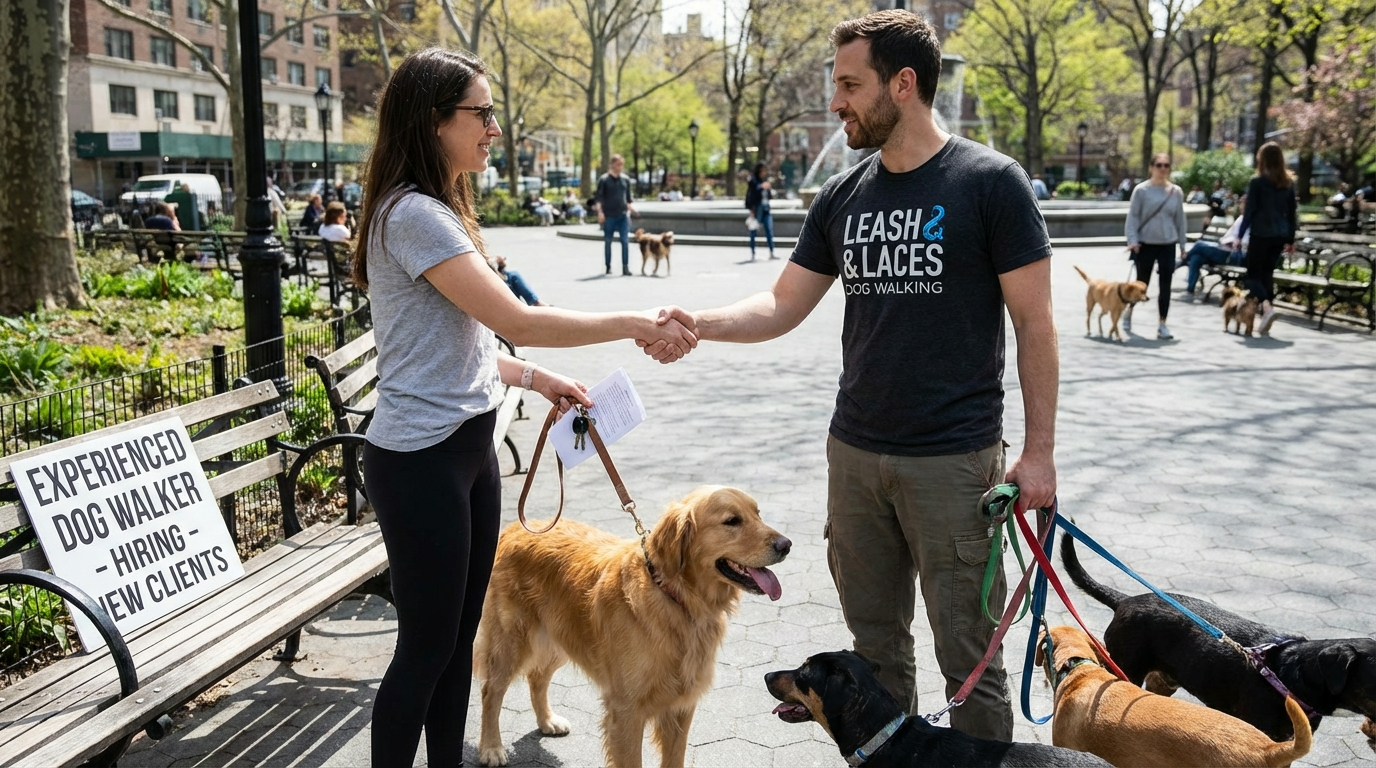
Hiring a dog walker often sounds simple. Someone comes over, takes your dog out, and brings them back tired and happy. However, the real cost of hiring a dog walker is more layered than most people expect. It is not just about minutes walked or miles covered. It is about trust, reliability, safety, and consistency.
For many dog owners, a walker becomes part of daily life. Work schedules grow longer. Commutes return. Energy runs low. Dogs still need exercise, mental stimulation, and routine. That is where professional walking services step in.
Yet questions arise quickly. Why do prices vary so much? What are you really paying for? Is a higher rate worth it? Understanding these answers helps you avoid surprises and make confident decisions.
This article breaks down the cost of hiring a dog walker in real terms. You will learn how pricing works, what factors influence rates, and where hidden expenses often appear. More importantly, you will learn how to judge value instead of just price.
What the Cost of Hiring a Dog Walker Usually Includes
At a basic level, the cost of hiring a dog walker covers time and labor. However, that is only the surface. Professional dog walking is a service built on responsibility.
Most standard rates include the walk itself, travel time, leash handling, and basic care. Many walkers also refresh water bowls, wipe paws, or provide brief updates afterward. These small details add value even when they are not itemized.
Additionally, walkers assume responsibility for your dog’s safety. That includes managing traffic, avoiding hazards, handling unexpected encounters, and responding calmly to emergencies.
Insurance and bonding are often included indirectly. Reputable walkers factor these business costs into their rates. While you may not see them listed, they protect both you and your dog.
So while the price may look like a simple per-walk fee, it actually covers far more than footsteps.
Average Cost of Hiring a Dog Walker by Walk Length
One of the biggest influences on the cost of hiring a dog walker is walk duration. Time remains the most visible pricing factor.
Short walks, often 15 to 20 minutes, tend to cost less. These are popular for puppies or senior dogs who need breaks rather than long outings. Prices are lower, yet frequency may increase.
Standard walks usually last 30 minutes. This is the most common option for adult dogs. It provides exercise, bathroom breaks, and mental stimulation. The price reflects balanced effort.
Long walks, often 60 minutes, cost more due to increased time and energy. These walks suit high-energy breeds or dogs needing extended activity.
While rates vary by region, longer walks consistently increase overall cost. Still, longer sessions may reduce the number of walks needed each week.
Choosing the right length helps control monthly expenses without sacrificing care.
How Location Affects the Cost of Hiring a Dog Walker
Geography plays a major role in pricing. Urban areas tend to have higher rates. Rural locations often cost less.
In cities, demand is higher. Walkers navigate traffic, crowded sidewalks, and limited parking. Time lost traveling between clients adds to operational costs. These factors raise the average cost of hiring a dog walker.
Suburban areas usually offer moderate pricing. Travel distances may be longer, yet competition often balances rates.
In rural areas, prices can be lower. However, fewer professionals may be available. This can reduce flexibility or scheduling options.
Cost of living also influences rates. Areas with higher housing and insurance costs naturally see higher service fees.
Understanding regional pricing helps set realistic expectations and prevents sticker shock.
Frequency and Scheduling Impact on Dog Walker Costs
How often you hire a walker affects total expense significantly. Daily walks cost more overall, yet they often come with discounted rates.
Many walkers offer packages. Buying multiple walks per week often lowers the per-walk cost. This rewards consistency and simplifies scheduling.
Occasional walks usually cost more per visit. Last-minute requests often include surcharges. Flexibility has a price.
Time of day also matters. Midday walks during peak hours cost more. Early morning or evening slots may carry premiums.
Weekend walks often increase the cost of hiring a dog walker as well. Fewer walkers work weekends, so demand rises.
Planning a consistent schedule reduces costs and ensures availability.
Private Walkers vs Dog Walking Companies
Choosing between an independent walker and a company affects pricing and experience.
Private walkers often charge less. Overhead is lower. Communication is direct. Relationships develop quickly.
However, availability may be limited. If your walker is sick or unavailable, coverage may be uncertain.
Dog walking companies charge more on average. In return, they offer reliability. Backup walkers are provided. Systems handle scheduling, billing, and updates.
Companies also tend to carry stronger insurance coverage. This adds peace of mind, though it increases cost.
The real cost of hiring a dog walker depends on what you value more. Personal connection or operational security.
Group Walks vs Solo Walks Cost Comparison
Group walks reduce individual cost. Several dogs are walked together, spreading time and effort.
This option lowers the cost of hiring a dog walker significantly. It also offers socialization for dogs who enjoy company.
However, group walks are not ideal for every dog. Reactive dogs, seniors, or puppies may struggle in groups.
Solo walks cost more because attention is undivided. The walker focuses entirely on one dog’s needs and pace.
Safety considerations also differ. Managing multiple dogs increases complexity. Experienced walkers charge accordingly.
Choosing between group and solo walks balances budget and your dog’s personality.
Experience and Qualifications Influence Dog Walker Pricing
Not all dog walkers bring the same skill level. Experience affects rates for good reason.
Walkers with years of experience handle challenging behaviors calmly. They recognize early signs of stress or illness. That expertise adds value.
Certifications also matter. Training in pet first aid, canine behavior, or animal care increases professional credibility. These qualifications often raise the cost of hiring a dog walker.
While newer walkers may charge less, experience reduces risk. For many owners, peace of mind is worth the difference.
Quality care often costs more upfront but prevents costly problems later.
Insurance, Bonding, and Liability Costs
Insurance protects everyone involved. Walkers with proper coverage include these costs in their pricing.
Liability insurance covers injuries, property damage, or accidents. Bonding protects against theft. These protections are essential yet invisible.
Uninsured walkers may charge less. However, risks increase significantly. If something goes wrong, costs may fall on you.
The real cost of hiring a dog walker includes risk management. Paying slightly more reduces potential financial exposure.
Responsible professionals invest in protection. Their pricing reflects that commitment.
Hidden Costs of Hiring a Dog Walker
Some expenses are not obvious at first glance. These hidden costs can add up over time.
Key pickup and return fees may apply. Some walkers charge extra for administering medication. Others charge for towel drying after rainy walks.
Holiday rates often increase. Popular dates carry premium pricing due to demand.
Cancellation policies matter too. Late cancellations may still incur charges. Consistency protects both parties.
Understanding these details upfront prevents frustration later.
Always review terms before committing.
Is the Cost of Hiring a Dog Walker Worth It?
Value depends on perspective. For many owners, the answer is yes.
Dogs benefit physically and mentally. Regular walks reduce behavioral issues. Energy is released appropriately.
Owners gain peace of mind. Guilt decreases. Workdays feel lighter knowing their dog is cared for.
Compared to alternatives like doggy daycare, walking often costs less while maintaining routine.
The cost of hiring a dog walker becomes an investment in health and harmony rather than a luxury.
When benefits outweigh expense, value becomes clear.
Budgeting Tips to Manage Dog Walker Costs
Managing costs requires planning. Small adjustments make a difference.
Choosing package deals lowers per-walk rates. Scheduling during off-peak hours helps.
Combining walks with neighbors may reduce group walk pricing.
Mixing professional walks with owner walks balances budget and bonding time.
Clear communication avoids unexpected fees.
Thoughtful planning keeps expenses predictable.
When a Dog Walker Becomes Essential
Some situations make hiring a walker less optional.
Long work hours, mobility issues, or medical recovery increase reliance on outside help.
Puppies require frequent bathroom breaks. Seniors need gentle movement.
In these cases, the cost of hiring a dog walker supports health rather than convenience.
Care becomes necessity rather than indulgence.
Recognizing this shift reframes the expense.
How to Evaluate Value Beyond Price
Cheapest does not always mean best. Value lies in reliability, care quality, and communication.
Consistent walkers notice changes in behavior or health. That awareness can prevent emergencies.
Daily updates provide reassurance. Photos and notes strengthen trust.
A walker who respects your home and your dog adds intangible value.
Price matters. Value matters more.
Conclusion
The cost of hiring a dog walker reflects far more than time spent walking. It includes safety, experience, reliability, and peace of mind. While prices vary based on location, frequency, and service type, understanding what you are paying for helps you make informed decisions. When chosen thoughtfully, a dog walker becomes a trusted partner in your dog’s well-being. In the end, the real value lies not in the number on the invoice, but in the quality of care your dog receives.
FAQ
1. How much does a dog walker usually cost per walk?
Most walks range from short visits to longer sessions, with pricing based on time and location.
2. Are dog walking companies more expensive than private walkers?
Yes, companies usually charge more due to insurance, backup staff, and administrative support.
3. Do dog walkers charge extra for multiple dogs?
Many walkers charge an additional fee for each extra dog due to increased responsibility.
4. Is tipping expected for dog walkers?
Tipping is optional but appreciated, especially for excellent or holiday service.
5. Can hiring a dog walker save money long term?
Yes, regular walks can prevent behavioral issues and health problems that cost more later.