Noticing your Senior Dog Losing Weight can feel alarming, especially when nothing else seems obviously wrong. However, weight loss in older dogs is more common than many owners expect. Still, that does not mean it should be ignored. In fact, when a Senior Dog Losing Weight becomes noticeable, it often signals that something in your dog’s body, diet, or daily routine has changed. Because dogs age faster than humans, even small shifts can lead to visible weight changes in a short time.
At first, you might think your dog is just slowing down or becoming less interested in food. While that can be partly true, it is rarely the whole story. Older dogs experience changes in metabolism, digestion, and even taste. As a result, they may eat less or absorb fewer nutrients. However, consistent weight loss should always be taken seriously. If your Senior Dog Losing Weight continues over weeks, it is important to investigate early rather than wait for more obvious symptoms to appear.
One of the most common reasons behind a Senior Dog Losing Weight is reduced appetite. Aging can dull a dog’s sense of smell and taste, which makes food less appealing. Therefore, meals that your dog once loved may suddenly seem uninteresting. In addition, dental issues can make eating uncomfortable. Loose teeth, gum disease, or oral pain often cause dogs to avoid hard kibble or chew less. Consequently, they may eat slower, eat less, or skip meals entirely.
Another major factor is digestive efficiency. As dogs grow older, their bodies become less efficient at breaking down and absorbing nutrients. Even if your dog eats the same amount of food, they may not be getting the same nutritional value. Over time, this leads to gradual weight loss. This is why many veterinarians recommend switching to high-quality senior dog food that is easier to digest and rich in essential nutrients.
Common Health Issues Behind Weight Loss
While lifestyle factors play a role, underlying health conditions are often the primary cause of a Senior Dog Losing Weight. For example, chronic illnesses such as kidney disease, liver disease, and diabetes frequently appear in older dogs. These conditions affect how the body processes nutrients and energy. As a result, weight loss can occur even when appetite seems normal.
Cancer is another serious but possible cause. Unfortunately, certain types of cancer are more common in senior dogs and may lead to rapid or unexplained weight loss. In these cases, dogs may also show signs such as lethargy, changes in behavior, or unusual lumps. Although this possibility can be frightening, early detection improves treatment outcomes. Therefore, regular checkups are essential.
Hyperthyroidism, although less common in dogs than in cats, can also contribute to a Senior Dog Losing Weight. This condition increases metabolism, causing the body to burn calories faster than normal. Similarly, gastrointestinal disorders like inflammatory bowel disease can prevent proper nutrient absorption. These issues often come with additional signs such as diarrhea, vomiting, or changes in stool.
Parasites, while more common in younger dogs, should not be overlooked in seniors. Internal parasites can still affect older dogs, especially those with weakened immune systems. Even mild infestations can lead to weight loss over time. Because of this, routine parasite prevention remains important throughout your dog’s life.
Behavioral and Environmental Factors
Not every case of a Senior Dog Losing Weight is linked to illness. Sometimes, the cause is behavioral or environmental. For instance, stress and anxiety can reduce appetite. Changes in the home, such as a new pet, moving houses, or altered routines, may affect your dog more than you expect. Older dogs tend to rely on consistency, so disruptions can lead to reduced food intake.
In multi-dog households, competition during feeding time can also play a role. A senior dog may feel less confident and eat less if another dog is more dominant. Therefore, feeding your dog separately can help ensure they get enough food without stress.
Temperature and seasonal changes can also influence eating habits. During warmer months, dogs often eat less. However, if your Senior Dog Losing Weight coincides with a noticeable drop in appetite, it is still worth monitoring closely. Even small environmental factors can combine with age-related changes to create a bigger issue.
How to Help Your Senior Dog Regain Weight
Once you identify that your Senior Dog Losing Weight is not just temporary, the next step is taking action. First, consult your veterinarian. A proper diagnosis is essential before making changes. Blood tests, physical exams, and possibly imaging may be needed to rule out serious conditions.
After medical issues are addressed or ruled out, focus on improving diet quality. Switching to a nutrient-dense, easily digestible food can make a big difference. Look for options designed specifically for senior dogs, as they often contain higher-quality protein and added vitamins. In addition, warming food slightly can enhance aroma and make it more appealing.
You can also try feeding smaller, more frequent meals throughout the day. This approach can help dogs who feel overwhelmed by large portions. Moreover, adding healthy toppers like plain chicken or broth can encourage eating. However, avoid making sudden drastic changes, as that may upset digestion.
Hydration is another key factor. Older dogs may drink less water, which can affect appetite and digestion. Therefore, ensure fresh water is always available. Wet food can also help increase fluid intake while providing extra calories.
When to Be Concerned About Rapid Weight Loss
Gradual changes are common with aging, but rapid weight loss is a red flag. If your Senior Dog Losing Weight happens quickly over days or a few weeks, it requires immediate attention. Sudden weight loss often indicates a more serious issue that should not be delayed.
Watch for additional warning signs such as vomiting, diarrhea, excessive thirst, or changes in energy levels. These symptoms often point to underlying medical problems. In such cases, early intervention can prevent complications and improve your dog’s quality of life.
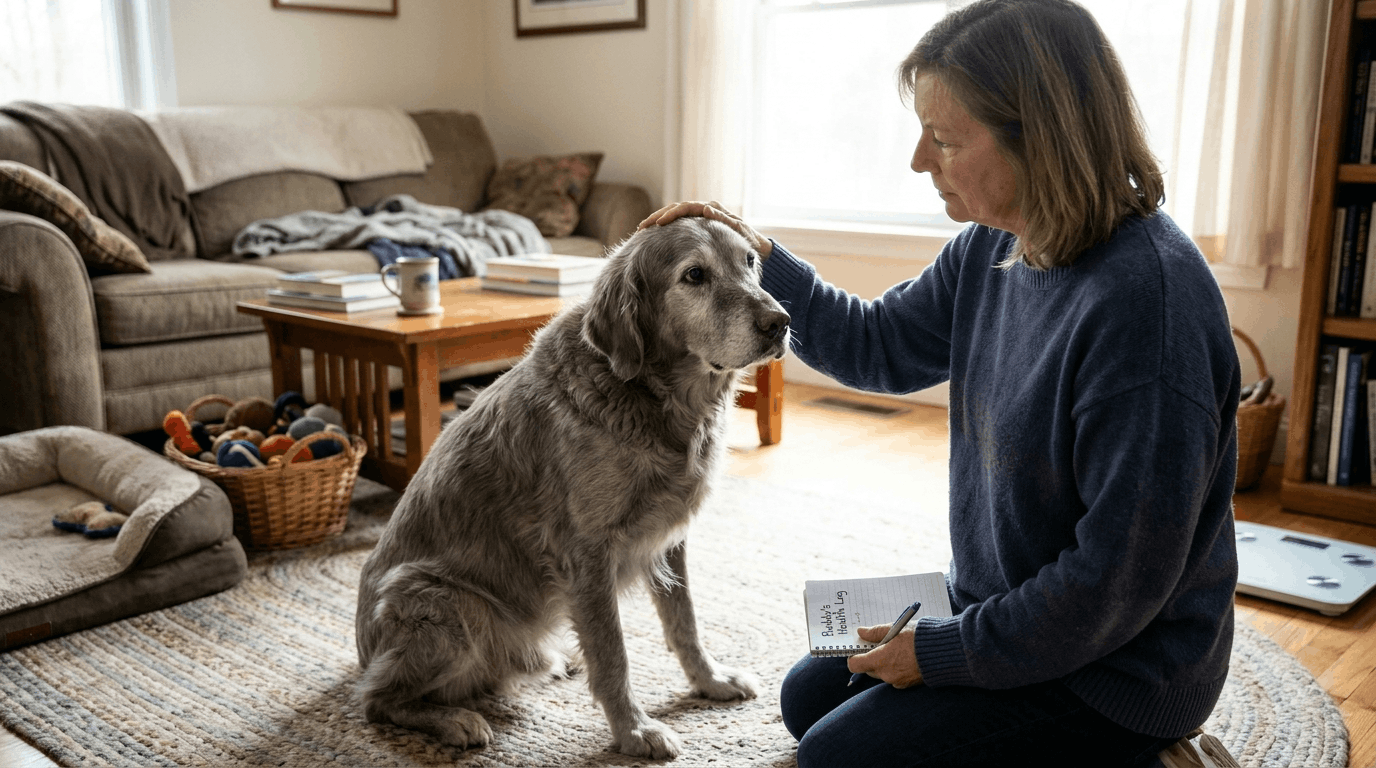
It is also helpful to track your dog’s weight regularly. Even small changes can become significant over time. By weighing your dog every few weeks, you can catch patterns early. This simple habit makes it easier to discuss concerns with your veterinarian.
Supporting Long-Term Health in Aging Dogs
Preventing a Senior Dog Losing Weight from becoming a chronic issue involves consistent care. Regular vet visits are essential, even if your dog appears healthy. These checkups help detect problems early, often before visible symptoms develop.
In addition, maintaining a balanced routine supports overall well-being. Provide moderate exercise to keep muscles strong and appetite stable. Gentle walks, light play, and mental stimulation can improve both physical and emotional health. When dogs stay active, they often maintain a healthier weight.
Equally important is monitoring changes in behavior. Subtle shifts, such as sleeping more or losing interest in favorite activities, can signal underlying issues. Therefore, staying observant allows you to respond quickly when something seems off.
Ultimately, caring for a senior dog requires patience and attention. Aging brings natural changes, but those changes should not lead to discomfort or decline. By staying proactive, you can ensure your dog remains comfortable and happy in their later years.
Conclusion
Seeing your Senior Dog Losing Weight can be concerning, but it also provides an opportunity to take action early. Whether the cause is dietary, behavioral, or medical, understanding the reason is the first step toward helping your dog recover. With proper care, many dogs regain weight and continue to enjoy a good quality of life.
Consistency, observation, and timely veterinary care make all the difference. When you respond quickly and thoughtfully, you not only address the weight loss but also strengthen the bond you share with your dog. In the end, your attention and care ensure your senior companion stays as healthy and comfortable as possible.
FAQ
- Is it normal for older dogs to lose some weight?
Yes, mild weight changes can happen with age, but noticeable or ongoing loss should always be checked by a vet. - What should I feed an older dog that is getting thinner?
Choose high-quality senior dog food with easily digestible protein and added nutrients to support aging bodies. - How quickly should I worry about weight loss?
If weight loss happens rapidly over a few weeks, it is important to seek veterinary advice immediately. - Can stress cause my dog to eat less?
Yes, changes in environment or routine can reduce appetite, especially in sensitive senior dogs. - How can I monitor my dog’s weight at home?
Weigh your dog regularly and keep a record. This helps you spot trends and act early if changes occur.