Many dog owners show love through treats, snacks, and extra portions during meals. While those habits may feel harmless, they often contribute to unhealthy weight gain over time. Preventing obesity in dogs is one of the most important steps owners can take to support long-term health, mobility, and quality of life. Excess weight affects far more than appearance because it places additional stress on the entire body.
Obesity in dogs has become increasingly common in recent years. Modern lifestyles often involve less physical activity, more indoor living, and easy access to calorie-dense foods. Consequently, many dogs consume more energy than they burn daily. Even small amounts of consistent overfeeding can gradually lead to significant weight gain.
Maintaining a healthy body condition improves both lifespan and daily comfort. Dogs at an ideal weight often move more easily, experience fewer joint problems, and maintain better energy levels. In addition, healthy dogs may face lower risks of diabetes, heart disease, breathing difficulties, and arthritis later in life.
The good news is that preventing obesity in dogs does not require complicated routines or extreme restrictions. Most dogs maintain healthy weights through balanced nutrition, regular exercise, portion awareness, and consistent habits. Small lifestyle changes often produce powerful long-term results.
Why Weight Management Matters So Much
Excess body fat affects nearly every part of a dog’s health. Carrying extra weight increases pressure on joints, which can accelerate arthritis and mobility problems. Larger dogs may struggle even more because their joints already support heavier frames naturally.
Preventing obesity in dogs also supports heart and respiratory function. Overweight dogs often tire quickly during walks because extra weight forces the heart and lungs to work harder. As a result, exercise becomes more difficult, which can create an unhealthy cycle of inactivity and further weight gain.
Weight problems may also affect emotional well-being. Dogs carrying excess weight sometimes become less playful and less socially engaged because movement feels uncomfortable. Consequently, they may spend more time resting and less time participating in activities they once enjoyed.
Obesity can even shorten lifespan. Research consistently shows that dogs maintaining healthy body conditions often live longer than overweight dogs. Therefore, proper weight management is not simply cosmetic. It directly impacts long-term wellness and quality of life.
Understanding Healthy Body Condition
Many owners struggle to recognize when their dog is overweight. Gradual weight gain can become difficult to notice because changes happen slowly over time. Additionally, some owners mistakenly assume heavier dogs simply look healthier.
A healthy dog should have a visible waistline when viewed from above. You should also feel the ribs easily without pressing deeply. However, ribs should not appear sharply visible in most breeds.
Preventing obesity in dogs begins with understanding body condition rather than relying only on weight numbers. Two dogs may weigh the same while having very different body compositions depending on breed, size, and muscle mass.
Veterinarians often use body condition scoring systems to evaluate whether dogs fall within healthy ranges. Regular checkups help owners monitor subtle weight changes before obesity develops.
Photographs can also help track physical condition over time. Since daily changes are difficult to notice, comparing photos every few months may reveal gradual trends more clearly.
Portion Control Makes a Huge Difference
Overfeeding remains one of the leading causes of obesity in dogs. Many owners unintentionally provide excessive calories because portion sizes seem small compared to human meals. However, dogs require far fewer calories than most people realize.
Preventing obesity in dogs often starts with accurate measuring. Using measuring cups or kitchen scales helps ensure consistency during feeding. Guessing portions frequently leads to accidental overfeeding.
Dog food labels provide general feeding guidelines, although individual needs vary based on age, activity level, metabolism, and breed size. Active dogs may require more calories, while less active pets need smaller portions.
Treats deserve attention as well. Even small snacks contribute calories throughout the day. Therefore, owners should factor treats into total daily intake rather than viewing them separately.
Many veterinarians recommend limiting treats to about ten percent of daily calories. Healthier alternatives such as small vegetable pieces or low-calorie training treats may help reduce excessive calorie consumption.
Choosing the Right Food Matters
Food quality plays an important role in healthy weight management. Some dog foods contain unnecessary fillers, excessive fat, or high calorie density that may contribute to weight gain more easily.
Preventing obesity in dogs becomes easier when owners choose nutritionally balanced food designed for their dog’s life stage and activity level. Puppies, adults, and seniors all have different nutritional requirements.
Protein helps support muscle maintenance and satiety. Therefore, balanced diets with quality protein sources may help dogs feel satisfied without overeating. Fiber can also support fullness and digestive health.
Owners should avoid frequent table scraps whenever possible. Human foods often contain hidden fats, sodium, and calories unsuitable for dogs. In addition, feeding from the table may encourage begging behaviors that become difficult to manage later.
Transitioning foods gradually also matters. Sudden diet changes can upset digestion and create feeding inconsistencies. Most veterinarians recommend introducing new foods slowly over several days.
Exercise Is Essential for Long-Term Health
Physical activity supports both weight management and mental stimulation. Dogs naturally need movement to burn energy, maintain muscle tone, and support cardiovascular health. Unfortunately, many dogs receive less exercise than they truly require.
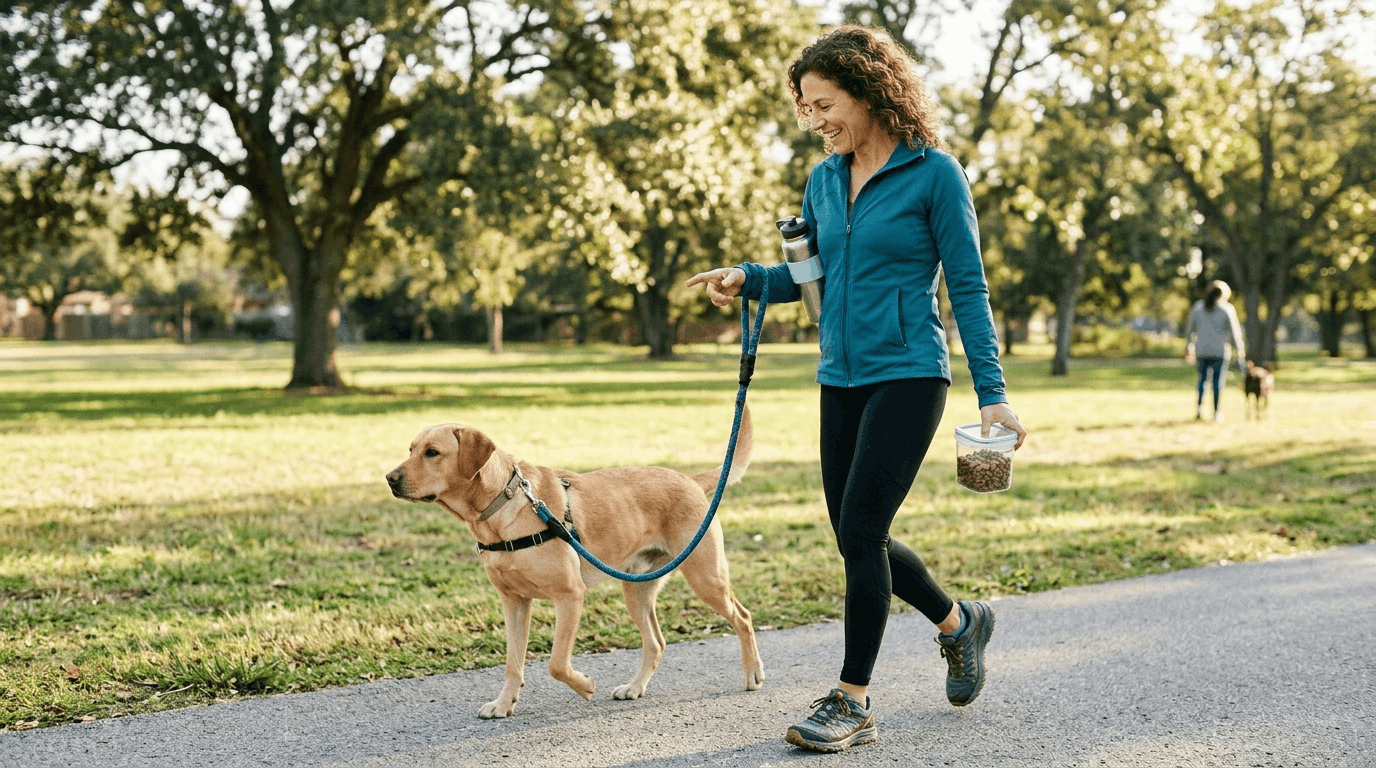
Preventing obesity in dogs becomes far easier when exercise remains consistent. Daily walks provide both physical activity and mental enrichment through exposure to new environments and scents.
Exercise needs vary widely between breeds. High-energy working breeds usually require much more activity than smaller companion breeds. However, every dog benefits from regular movement.
Playtime can also help increase daily activity naturally. Games such as fetch, tug, or obstacle exercises encourage dogs to stay active while strengthening the owner-dog bond.
Swimming offers excellent low-impact exercise for dogs with joint sensitivity. Water supports body weight while allowing movement without excessive joint stress. Consequently, swimming often works well for senior dogs or breeds prone to arthritis.
The Dangers of Free Feeding
Free feeding involves leaving food available all day instead of offering scheduled meals. While this method may seem convenient, it often encourages overeating in many dogs.
Preventing obesity in dogs usually works better with structured meal routines. Scheduled feeding allows owners to monitor appetite, portion sizes, and eating behavior more accurately.
Dogs fed on predictable schedules may also develop healthier digestion and improved food motivation during training. In contrast, constant food access can reduce meal structure and encourage unnecessary snacking.
Some dogs naturally regulate intake well, although many do not. Therefore, controlled feeding remains the safer approach for long-term weight management.
Meal timing can also support household routine. Consistent schedules help owners recognize sudden appetite changes that may indicate health issues requiring veterinary attention.
Lifestyle Habits That Support Healthy Weight
Daily habits strongly influence long-term body condition. Small routines repeated consistently often shape a dog’s overall health more than occasional intense efforts.
Preventing obesity in dogs involves keeping activity levels steady throughout the week rather than relying only on weekend exercise. Short daily walks often provide better results than occasional long outings.
Interactive toys can encourage movement indoors, especially during bad weather. Puzzle feeders also slow eating speed while adding mental stimulation during meals.
Household consistency matters as well. When family members give extra snacks secretly, calorie intake can increase quickly without anyone realizing it. Therefore, everyone should follow the same feeding rules.
Sleep quality also affects overall wellness. Dogs that remain physically active during the day often maintain healthier sleep patterns and energy balance.
How Age Affects Weight Management
As dogs grow older, metabolism and activity levels often change. Senior dogs may burn fewer calories while remaining less physically active. Consequently, weight gain can occur gradually during aging.
Preventing obesity in dogs becomes especially important during middle age and senior years because excess weight increases strain on aging joints and organs.
Older dogs still require regular exercise, although activities may need adjustment based on mobility and health condition. Gentle walks, swimming, and low-impact play often work well for seniors.
Senior dogs may also benefit from specially formulated diets designed to support weight control and joint health simultaneously. Veterinary guidance becomes increasingly valuable during this stage of life.
Regular health screenings remain important because medical conditions such as thyroid disorders may influence body weight unexpectedly.
Recognizing Early Warning Signs
Weight gain rarely happens overnight. Most dogs gradually gain small amounts over months or years. Therefore, owners should monitor subtle changes before obesity becomes severe.
Preventing obesity in dogs becomes easier when early warning signs receive attention quickly. Reduced stamina during walks, difficulty jumping, and increased panting may indicate excessive weight gain.
Changes in body shape often appear gradually as well. Dogs may lose visible waistlines or develop thicker fat deposits around the chest and abdomen.
Behavior changes can also occur. Some overweight dogs become less enthusiastic about play because movement feels physically demanding.
Routine weigh-ins at veterinary visits help track trends more accurately. Early intervention usually proves much easier than significant weight-loss programs later.
Creating a Sustainable Long-Term Routine
Quick fixes rarely produce lasting success. Sustainable habits create healthier outcomes than extreme restrictions or inconsistent efforts. Dogs thrive when routines remain predictable and balanced.
Preventing obesity in dogs requires patience and consistency more than perfection. Occasional treats or missed walks will not ruin progress if healthy habits remain steady overall.
Owners should focus on creating enjoyable routines rather than rigid systems. Walks, play sessions, and structured feeding can become natural parts of daily life instead of stressful obligations.
Veterinary guidance can also help tailor weight management plans to individual dogs. Breed tendencies, health conditions, and activity levels all influence ideal strategies.
Most importantly, healthy weight management improves quality of life dramatically. Dogs maintaining proper body condition often move more comfortably, stay active longer, and enjoy stronger overall health throughout life.
Preventing obesity in dogs is ultimately an act of long-term care and responsibility. By making thoughtful daily choices, owners can help their dogs live happier, healthier, and more energetic lives for many years to come.
FAQ
1. How can I tell if my dog is overweight?
You should be able to feel your dog’s ribs easily and see a noticeable waistline when viewing the body from above.
2. Are treats bad for weight control in dogs?
Treats are not necessarily harmful, although excessive treats can contribute to unhealthy calorie intake over time.
3. How much exercise does a healthy dog need daily?
Exercise needs vary by breed and age, but most dogs benefit from at least daily walks and active play sessions.
4. Is free feeding unhealthy for most dogs?
Free feeding may encourage overeating in many dogs, so scheduled meals often support healthier weight management.
5. Can older dogs still lose excess weight safely?
Yes, senior dogs can lose weight safely through proper nutrition, controlled portions, and veterinarian-approved exercise routines.