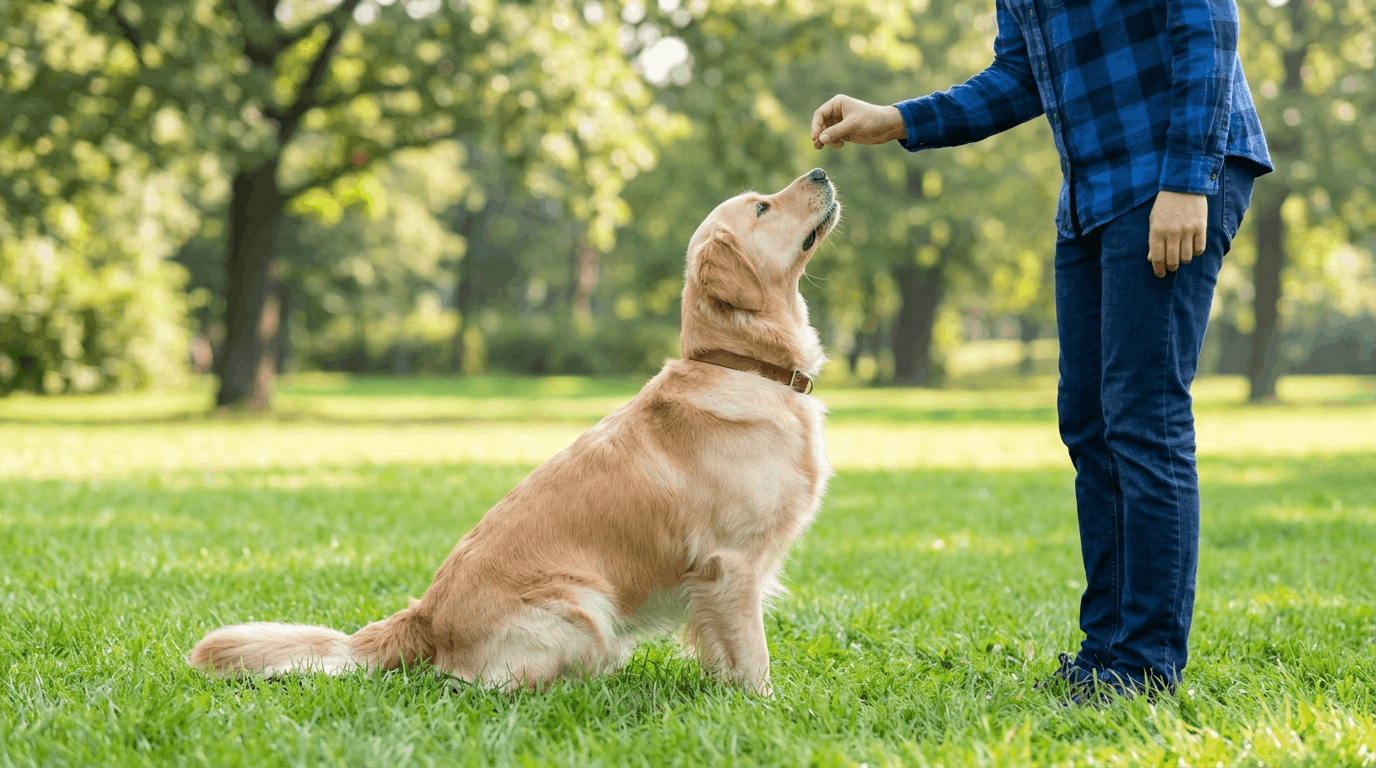
Training your dog does not need to feel overwhelming, yet it does require patience and consistency. At the core of every well-behaved dog are basic dog obedience commands, which create structure and improve communication between you and your pet. When your dog understands what you expect, daily life becomes easier, safer, and more enjoyable for both of you.
Basic dog obedience commands are more than simple tricks. They help your dog navigate the world with confidence while giving you control in important situations. As a result, your dog becomes calmer, more responsive, and better adjusted to different environments. Whether you have a playful puppy or an older dog, it is never too late to start building these essential skills.
Why Obedience Training Is Essential
Many people think training is only necessary for correcting bad behavior. However, basic dog obedience commands actually prevent problems before they begin. For instance, teaching your dog to respond to cues like “sit” or “stay” can stop unsafe actions and reduce stress in unfamiliar settings.
In addition, training strengthens the bond between you and your dog. Clear communication reduces confusion, which leads to better cooperation. Because of this, dogs feel more secure when they understand what is expected. Over time, consistent training creates a sense of trust that improves every interaction.
Another benefit is safety. Basic dog obedience commands allow you to manage your dog in potentially dangerous situations, such as crossing a street or encountering other animals. Therefore, investing time in training protects both your dog and those around you.
Core Commands Every Dog Should Learn
Every dog should learn a set of essential commands that form the foundation of obedience. These basic dog obedience commands are simple yet highly effective when practiced regularly.
The “sit” command is often the first step. It is easy to teach and helps control your dog in many situations. For example, asking your dog to sit before meals or greetings encourages calm behavior. This command also creates a moment of focus, making it easier to introduce other skills.
Next, the “stay” command teaches patience and self-control. By learning to remain in one place, your dog becomes more disciplined and less likely to act impulsively. This command is especially useful in busy environments where distractions are common.
The “come” command is another critical part of basic dog obedience commands. It ensures your dog returns to you when called, which can prevent dangerous situations. Reliable recall builds trust and allows your dog more freedom during walks or playtime.
The “down” command encourages your dog to settle and relax. It is particularly helpful when you need your dog to remain calm for extended periods. Additionally, the “leave it” command teaches your dog to ignore objects or distractions, which is vital for safety.
Finally, the “heel” command helps maintain control during walks. It keeps your dog close and focused, reducing pulling and making outings more enjoyable. Together, these basic dog obedience commands create a strong foundation for good behavior.
How To Teach Commands Effectively
Teaching basic dog obedience commands requires a clear and consistent approach. Start with short training sessions to keep your dog engaged. Because dogs learn best through repetition, practicing regularly helps reinforce each command.
Positive reinforcement is one of the most effective methods. Reward your dog with treats, praise, or play when they respond correctly. This approach encourages your dog to repeat the desired behavior. At the same time, avoid punishment, as it can create fear and confusion.
Timing also plays an important role. Reward your dog immediately after they perform the correct action. This helps them connect the behavior with the reward. Over time, your dog will begin to respond more quickly and confidently.
It is also helpful to train in a quiet environment before introducing distractions. Once your dog understands the basics, gradually increase the level of difficulty. This step-by-step approach ensures your dog can apply basic dog obedience commands in real-world situations.
Common Training Mistakes To Avoid
Even with the best intentions, some mistakes can slow down progress. One common issue is inconsistency. If commands are not used the same way each time, your dog may become confused. Therefore, using clear and consistent cues is essential.
Another mistake is expecting results too quickly. Learning takes time, and each dog progresses at their own pace. By staying patient and maintaining a positive attitude, you create a supportive learning environment.
Overusing commands can also be counterproductive. Repeating a command without reinforcement may cause your dog to ignore it. Instead, focus on clear instructions followed by appropriate rewards. This approach helps maintain the effectiveness of basic dog obedience commands.
Additionally, skipping practice can lead to setbacks. Regular training sessions reinforce learning and keep your dog’s skills sharp. Even a few minutes each day can make a noticeable difference.
Building Consistency In Daily Life
Consistency is the key to mastering basic dog obedience commands. Incorporating training into daily routines helps your dog understand that these commands apply in all situations. For example, asking your dog to sit before feeding or waiting at doors reinforces good behavior.
Using commands during walks, playtime, and social interactions also strengthens your dog’s understanding. As a result, your dog becomes more reliable and responsive over time. This consistency creates a sense of structure that benefits both you and your pet.
It is also important to involve all family members in the training process. When everyone uses the same commands and techniques, your dog receives clear and consistent messages. This unified approach improves learning and prevents confusion.
Adapting Training To Your Dog’s Personality
Every dog has a unique personality, which influences how they learn. Some dogs pick up basic dog obedience commands quickly, while others require more time and repetition. Understanding your dog’s temperament allows you to adjust your training approach.
For example, energetic dogs may benefit from shorter, more frequent sessions to keep them focused. On the other hand, calmer dogs may respond well to longer sessions with steady reinforcement. By adapting your methods, you create a more effective learning experience.
It is also important to consider your dog’s motivation. Some dogs respond best to treats, while others prefer praise or play. Identifying what motivates your dog helps you reinforce basic dog obedience commands more effectively.
Maintaining Skills Over Time
Once your dog learns basic dog obedience commands, ongoing practice is essential. Without reinforcement, skills can fade over time. Regular training sessions help maintain consistency and keep your dog responsive.
In addition, introducing new challenges can keep training interesting. For instance, practicing commands in different environments helps your dog adapt to various situations. This approach builds confidence and ensures your dog can respond reliably wherever you go.
It is also helpful to reward good behavior even after commands are learned. Occasional rewards reinforce positive actions and encourage your dog to continue responding correctly. By maintaining a consistent routine, you ensure long-term success.
Conclusion
Basic dog obedience commands are the foundation of a well-behaved and confident dog. They improve communication, enhance safety, and strengthen the bond between you and your pet. With patience, consistency, and positive reinforcement, any dog can learn these essential skills.
By making training a regular part of your routine, you create a structured and supportive environment. Over time, your dog will respond more reliably, making everyday life smoother and more enjoyable. Ultimately, investing in basic dog obedience commands leads to a happier, healthier relationship with your dog.
FAQ
1. At what age should I start training my dog?
You can begin training as early as eight weeks, using simple commands and positive reinforcement.
2. How long does it take for a dog to learn commands?
Learning time varies, but consistent daily practice usually shows results within a few weeks.
3. Can older dogs still learn obedience skills?
Yes, older dogs can learn new commands with patience and consistent training.
4. What is the most important command to teach first?
The “sit” command is often the easiest and most useful starting point.
5. How often should I practice training sessions?
Short sessions daily are more effective than occasional long sessions for maintaining progress.