Training becomes much easier when dogs feel motivated to participate. Many owners underestimate how important rewards are during obedience sessions, behavior correction, and skill-building exercises. The best dog training treats encourage focus, strengthen communication, and help dogs learn faster while staying engaged throughout the process.
Dogs naturally repeat behaviors that lead to positive outcomes. Because of this, rewards play a major role in successful training. Although praise and toys can motivate some dogs, food rewards often provide the strongest and most consistent reinforcement.
Not all treats work equally well during training sessions. Some are too large, too dry, or not exciting enough to maintain attention. Others may upset digestion or create unhealthy feeding habits when overused.
Choosing high-quality rewards that match a dog’s preferences and energy level helps create more productive training experiences for both dogs and owners.
Why Food Motivation Works So Well
Food taps into natural canine instincts.
Dogs quickly associate rewards with behaviors when timing remains consistent. Because treats provide immediate feedback, they help dogs understand exactly which actions earn positive outcomes.
This fast communication speeds up learning dramatically.
Additionally, food rewards create positive emotional associations during training. Nervous or distracted dogs often gain confidence more quickly when highly motivating rewards are involved.
Many professional trainers rely heavily on dog training treats because they deliver clear, reliable reinforcement during nearly every stage of learning.
Small Treats Work Better During Training
Size matters greatly during reward-based training.
Large treats slow momentum because dogs spend too much time chewing between repetitions. Smaller rewards allow faster pacing while keeping dogs focused on the next task.
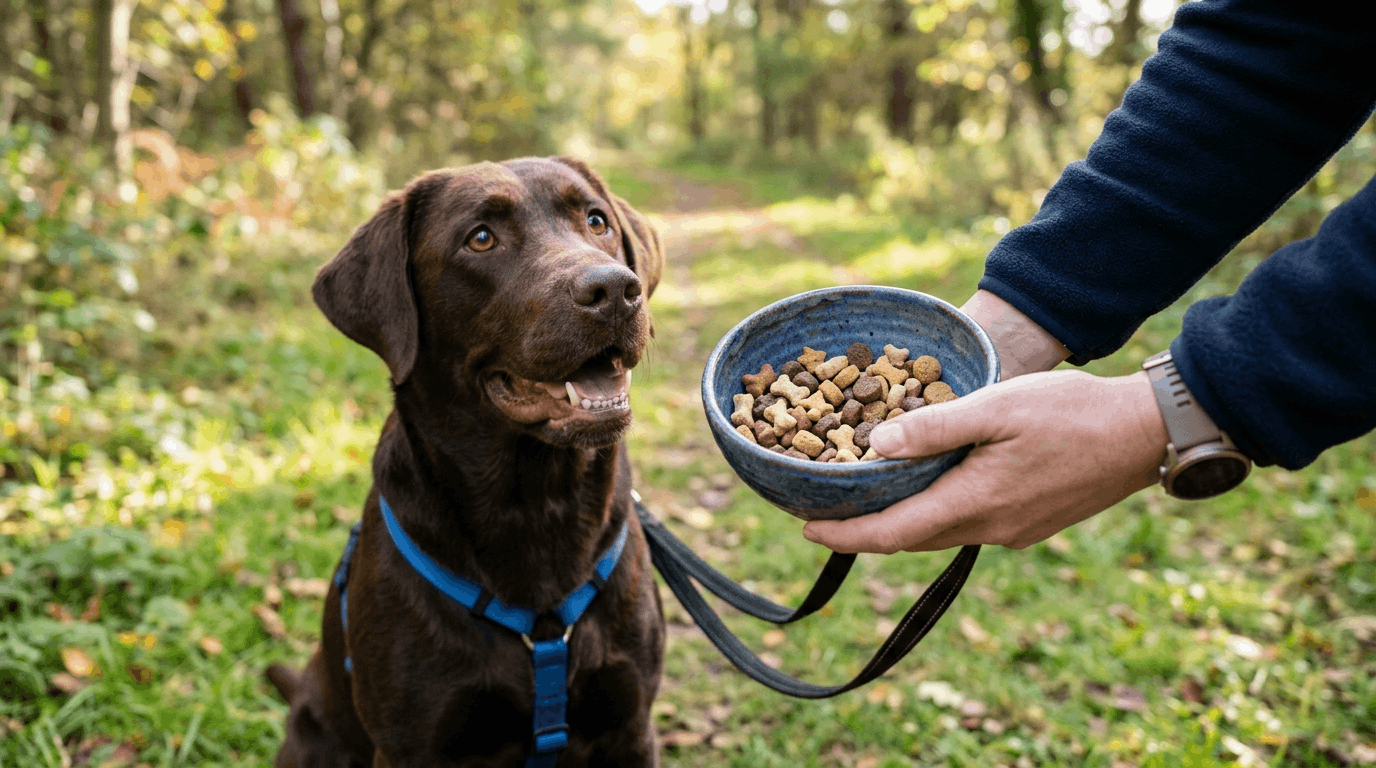
Tiny soft treats often work best because dogs can swallow them quickly without interrupting concentration.
Additionally, smaller pieces reduce calorie intake during long sessions.
Many trainers cut treats into pea-sized portions for maximum efficiency.
Soft Textures Increase Engagement
Texture affects motivation more than many owners realize.
Soft treats usually smell stronger and feel more rewarding to dogs. Because they require little chewing, dogs stay mentally engaged during rapid training exercises.
Crunchy biscuits may work for general rewards at home, but softer options often perform better during active sessions.
Moist training treats also tend to attract picky eaters more effectively.
High-Value Rewards Improve Difficult Training
Not every training challenge requires the same reward level.
Simple commands practiced indoors may only need moderate rewards. However, distractions, fear-based behaviors, recall training, and advanced obedience often require higher-value treats.
Chicken, turkey, cheese, freeze-dried liver, or fish-based rewards typically create stronger motivation during difficult situations.
Using exciting dog training treats strategically helps maintain focus when distractions increase outdoors.
Natural Ingredients Often Work Best
Ingredient quality matters for both motivation and health.
Many owners now prefer treats made with simple natural ingredients instead of artificial colors, fillers, or excessive preservatives. Dogs often respond better to treats containing real meat or limited ingredients.
Additionally, cleaner ingredients may reduce digestive issues and food sensitivities.
Owners should read labels carefully before purchasing large quantities of training rewards.
Low-Calorie Options Help Prevent Weight Gain
Training may involve dozens of repetitions daily.
Because of this, calorie content becomes important quickly. Overfeeding treats may contribute to unhealthy weight gain, especially in smaller breeds or less active dogs.
Low-calorie treats help maintain healthy body condition while supporting frequent training sessions.
Some owners even use portions of regular kibble for lower-distraction exercises.
Balancing reward frequency with nutritional intake remains important for long-term health.
Freeze-Dried Treats Offer Strong Flavor
Freeze-dried rewards remain highly popular among trainers.
These treats typically contain single protein sources with minimal processing. Because freeze-drying preserves aroma and flavor, many dogs find them extremely motivating.
Freeze-dried liver, salmon, chicken, and beef often perform especially well during recall and obedience training.
Additionally, many freeze-dried products avoid artificial additives entirely.
Homemade Rewards Can Work Extremely Well
Owners do not always need commercial treats.
Small pieces of cooked chicken, turkey, lean beef, carrots, or sweet potatoes often work wonderfully during training. Homemade rewards allow complete ingredient control while reducing unnecessary additives.
However, portions should remain small and balanced carefully.
Additionally, owners should avoid toxic foods like onions, garlic, grapes, and chocolate completely.
Rotating Treats Prevents Boredom
Dogs sometimes lose interest in repetitive rewards.
Using multiple reward types helps maintain excitement and engagement during training sessions. Rotating flavors and textures also prevents predictability from reducing motivation.
For example, owners may use kibble for easy exercises and reserve premium rewards for difficult tasks.
This strategy keeps dogs focused while protecting the value of high-reward treats.
Timing Matters More Than Quantity
Even excellent treats lose effectiveness with poor timing.
Rewards should arrive immediately after the desired behavior occurs. Delayed rewards confuse communication and slow learning.
Dogs learn fastest when the connection between action and reward stays clear and consistent.
Because of this, many trainers keep treats easily accessible in waist pouches or training bags.
Treat Pouches Improve Training Efficiency
Convenience matters during active sessions.
Treat pouches allow owners to reward behaviors quickly without fumbling through pockets. Fast access improves timing while maintaining smoother training flow.
Additionally, pouches help separate training rewards from everyday snacks, increasing their perceived value.
Puppies Need Extra Motivation During Learning
Young puppies become distracted easily.
Because puppies process new environments constantly, rewarding attention and calm behavior early helps build strong habits. Soft puppy-safe treats usually work best during short beginner sessions.
Training should remain positive and fun rather than overwhelming.
Using exciting dog training treats often increases focus dramatically during puppy socialization and obedience practice.
Senior Dogs Still Benefit From Reward Training
Older dogs continue learning throughout life.
Senior dogs may need softer treats because of dental sensitivity or slower chewing ability. However, food motivation often remains strong even in aging pets.
Training games and reward-based interaction also provide valuable mental stimulation for senior dogs.
Treats Help Build Confidence in Nervous Dogs
Fearful or shy dogs often respond well to positive reinforcement.
High-value rewards create positive emotional experiences during stressful situations. Over time, dogs begin associating scary environments, people, or sounds with good outcomes instead of fear.
This gradual emotional shift helps improve confidence naturally.
Distractions Require Better Rewards
Dogs face many distractions outdoors.
Squirrels, other dogs, smells, traffic, and unfamiliar environments compete heavily for attention. Ordinary treats sometimes lose effectiveness when distractions increase.
Higher-value rewards help owners regain focus more successfully in these situations.
Avoid Overfeeding During Long Sessions
Training sessions should stay balanced.
Although rewards matter greatly, excessive feeding may upset digestion or reduce motivation over time. Short frequent sessions often work better than extremely long practice periods.
Additionally, dogs usually learn faster when sessions remain fun and energetic rather than exhausting.
Some Dogs Prefer Different Reward Types
Every dog has unique preferences.
Some dogs love fish-based treats, while others strongly prefer chicken or cheese. Experimenting with multiple options helps identify the strongest motivators.
Owners should pay attention to excitement levels, focus, and engagement during training.
The most effective dog training treats are simply the ones individual dogs value most.
Healthy Training Habits Create Better Results
Treats alone do not create obedience.
Clear communication, patience, consistency, and positive reinforcement remain essential for successful training. Rewards simply strengthen learning when used correctly.
Additionally, praise, toys, and playtime can complement food rewards effectively.
Storage Affects Freshness and Motivation
Fresh treats maintain stronger aroma and flavor.
Many dogs lose interest in stale or dried-out rewards quickly. Airtight containers help preserve freshness while preventing spoilage.
Additionally, owners should monitor expiration dates carefully, especially with natural or minimally processed treats.
Training Should Always Stay Positive
Dogs learn best in encouraging environments.
Punishment-based methods often create fear, confusion, or stress that interferes with learning. Positive reinforcement supported by motivating rewards usually creates stronger long-term results.
Training sessions should feel rewarding for both dogs and owners.
Choosing the right dog training treats can dramatically improve learning, focus, and engagement during obedience sessions. Small soft rewards, natural ingredients, and high-value flavors often motivate dogs more effectively than ordinary snacks. Additionally, proper timing, consistency, and positive reinforcement help dogs understand expectations clearly while building trust with their owners. Every dog responds differently, so experimenting with textures, flavors, and reward levels often leads to better training success. Whether working with puppies, adult dogs, or seniors, the right treats help create faster learning and more enjoyable sessions overall. With patience, structure, and motivating rewards, owners can strengthen communication while building confident and well-behaved dogs.
FAQ
1. What treats work best for obedience training?
Soft, small, high-value treats usually work best during obedience and recall training sessions.
2. How many training treats can dogs have daily?
Treat intake should remain balanced and generally stay under ten percent of daily calories.
3. Are homemade rewards safe for dogs?
Yes, simple homemade treats like cooked chicken or carrots often work very well when prepared safely.
4. Why does my dog ignore treats outdoors?
Distractions outdoors may overwhelm lower-value rewards, so stronger-smelling treats often help improve focus.
5. Should puppies receive treats during every session?
Yes, frequent positive rewards usually help puppies learn faster and build confidence during training.