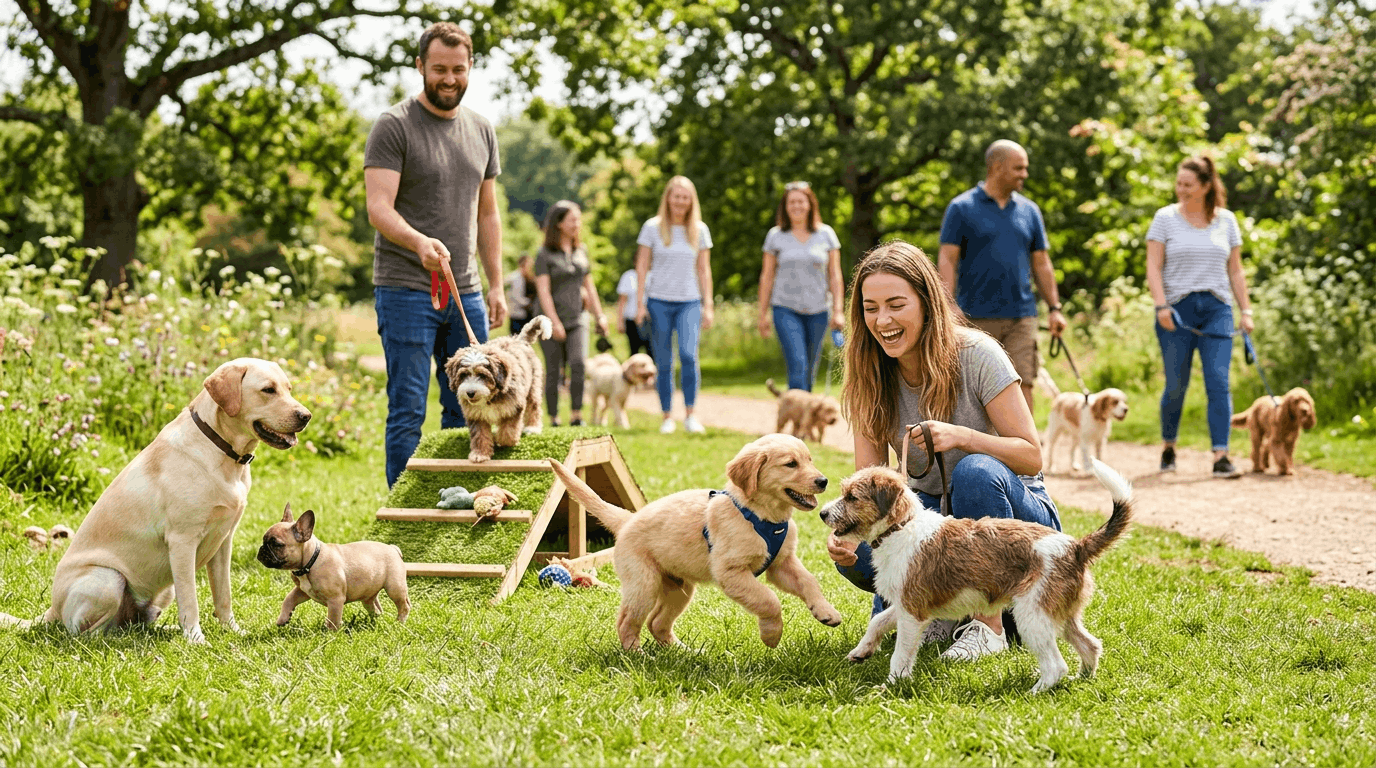
Bringing home a new puppy is exciting, rewarding, and sometimes overwhelming. During those first few months, puppies absorb information rapidly and begin forming opinions about the world around them. That is why puppy socialization tips are so important for shaping future behavior and emotional balance. Positive experiences during early development can help puppies grow into confident, calm, and well-adjusted adult dogs.
Socialization involves much more than simply meeting other dogs. Puppies need exposure to different people, sounds, environments, surfaces, and daily experiences. These early interactions teach puppies how to respond appropriately to unfamiliar situations later in life.
Without proper socialization, puppies may become fearful, reactive, or overly anxious as adults. Consequently, behavior problems often develop because dogs never learned how to process new experiences calmly. Fortunately, early training and exposure can prevent many common issues before they begin.
The best puppy socialization tips focus on creating safe, positive, and gradual experiences. Puppies learn best when they feel secure and supported rather than overwhelmed. Therefore, patience and consistency matter greatly throughout the socialization process.
Why Early Socialization Matters So Much
Puppies experience a critical developmental window during the first few months of life. During this period, they form lasting associations with the people, animals, and environments they encounter. Positive exposure during this stage often creates lifelong confidence.
Puppy socialization tips become especially valuable because fear responses can strengthen quickly if puppies lack proper experiences early. Dogs unfamiliar with common sights or sounds may later react nervously to everyday situations.
Well-socialized dogs usually handle stress more effectively. They tend to remain calmer around strangers, children, traffic, and other animals because those experiences feel familiar rather than threatening.
Socialization also supports obedience training. Confident puppies often focus better during learning sessions because fear and anxiety create fewer distractions. Consequently, early exposure often improves long-term trainability.
Behavioral stability benefits owners as well. Dogs comfortable in different environments become easier to travel with, introduce to guests, and include in family activities.
Introducing New Experiences Gradually
One of the most important puppy socialization tips involves gradual exposure. Puppies should experience new situations at a comfortable pace rather than facing overwhelming stimulation all at once.
For example, a puppy meeting friendly strangers calmly in a quiet setting may build confidence more effectively than entering a crowded event immediately. Positive first impressions matter because puppies form emotional associations quickly.
Short socialization sessions often work best. Puppies become tired mentally and physically faster than adult dogs. Therefore, brief positive experiences usually create better learning outcomes than long stressful outings.
Owners should watch body language carefully during introductions. Relaxed posture, curiosity, and playful behavior usually indicate comfort. In contrast, trembling, hiding, tucked tails, or excessive barking may signal fear.
Rewarding calm behavior helps strengthen positive associations. Treats, praise, toys, and gentle encouragement all reinforce confidence during new experiences.
Helping Puppies Feel Comfortable Around People
Human interaction plays a major role in early socialization. Puppies should meet people of different ages, appearances, and voices while remaining in safe and positive environments.
Puppy socialization tips often encourage exposure to individuals wearing hats, sunglasses, uniforms, or bulky clothing because unusual appearances sometimes trigger fear in poorly socialized dogs.
Children deserve special attention during socialization. Puppies should learn that children move differently, sound louder, and behave less predictably than adults. However, all interactions should remain calm and supervised carefully.
Older adults, individuals using mobility devices, and visitors with unique movements also help broaden a puppy’s comfort level. Gentle exposure teaches puppies that unfamiliar appearances are normal and non-threatening.
Owners should avoid forcing interaction. Puppies gain confidence faster when allowed to approach new people voluntarily rather than being restrained or pushed into uncomfortable situations.
Safe Dog-to-Dog Socialization
Positive interaction with other dogs teaches puppies valuable communication skills. Puppies learn body language, play boundaries, and social behavior through appropriate canine interaction.
However, puppy socialization tips emphasize quality over quantity. Calm, vaccinated, and friendly dogs provide much safer learning opportunities than chaotic dog park environments.
Puppy classes often offer controlled social experiences supervised by trainers. These environments help puppies practice communication while remaining safe and structured.
Not every dog interaction needs direct play. Sometimes observing other dogs calmly from a distance provides valuable exposure without overwhelming shy puppies.
Owners should interrupt overly rough behavior quickly to prevent negative experiences. Fearful incidents during early development may create lasting anxiety around other dogs later.
Supervised play sessions with stable adult dogs often help puppies develop confidence and social awareness naturally.
Introducing Everyday Sounds and Environments
Many adult dogs develop fear because they were never exposed to common sounds during puppyhood. Vacuum cleaners, traffic, thunderstorms, household appliances, and construction noises may all feel frightening without proper introduction.
Puppy socialization tips often include controlled exposure to everyday sounds at low intensity first. Gradually increasing volume while pairing sounds with rewards helps puppies form positive associations.
Different environments also matter greatly. Puppies should experience sidewalks, grass, gravel, stairs, elevators, car rides, and public spaces gradually and safely.
Car rides deserve particular attention because many dogs develop anxiety around travel if exposure occurs only during veterinary visits. Short enjoyable trips help create positive travel associations.
Weather exposure also benefits puppies. Wind, rain, cold temperatures, and changing outdoor conditions become less stressful when introduced early in calm ways.
Building Confidence Through Training
Basic obedience training supports socialization by creating structure and communication. Puppies learning commands such as sit, stay, and come often gain confidence because they understand expectations more clearly.
Puppy socialization tips frequently include reward-based training because positive reinforcement encourages learning without creating fear or confusion.
Training sessions should remain short, engaging, and fun. Puppies learn best through repetition combined with encouragement and rewards. Consequently, harsh corrections may damage trust and reduce confidence.
Impulse control exercises also improve emotional regulation. Waiting calmly for food, sitting before greetings, and focusing during distractions help puppies develop patience and self-control.
Mental stimulation matters just as much as physical exercise. Puzzle toys, scent games, and training challenges keep puppies engaged while encouraging problem-solving skills.
Avoiding Common Socialization Mistakes
Many owners accidentally overwhelm puppies by introducing too many experiences too quickly. While exposure matters, excessive stimulation may create fear rather than confidence.
One of the most valuable puppy socialization tips involves recognizing when a puppy needs a break. Signs of stress include yawning, lip licking, hiding, freezing, or excessive barking.
Forcing fearful puppies into uncomfortable situations often worsens anxiety instead of improving it. Gentle encouragement and gradual exposure work much better long term.
Another common mistake involves delaying socialization until vaccination schedules finish completely. Veterinarians often recommend safe, controlled exposure during early developmental stages because waiting too long may increase behavioral risks.
Owners should also avoid relying solely on dog parks for socialization. Unpredictable interactions sometimes create negative experiences that harm confidence.
Consistency matters as well. Socialization should continue throughout puppyhood rather than occurring only occasionally.
The Role of Routine and Stability
Puppies thrive when routines feel predictable and secure. Consistent feeding schedules, sleep patterns, potty routines, and training sessions help puppies feel emotionally stable during development.
Puppy socialization tips work best when puppies already feel safe within their home environment. Stability creates a strong emotional foundation for exploring new experiences confidently.
Adequate rest also supports learning. Puppies require significant sleep because their brains process information rapidly during development. Overtired puppies often struggle emotionally and behaviorally.
Crate training may also provide comfort when introduced positively. Many puppies appreciate having a quiet personal space where they can relax safely after stimulation.
Owners should remain calm during socialization as well. Puppies often mirror human emotions and reactions closely.
Socialization Beyond Puppyhood
Although early exposure matters most, socialization should continue throughout adulthood. Dogs benefit from ongoing positive experiences that reinforce confidence and adaptability over time.
Puppy socialization tips create the foundation, but lifelong exposure maintains emotional flexibility and behavioral stability. Dogs isolated after puppyhood may still develop fear or reactivity later.
Regular walks, training sessions, travel experiences, and calm introductions to new environments help maintain confidence long term.
Dogs also continue learning from positive reinforcement throughout life. Consistent praise and structure support better behavior far beyond the puppy stage.
Owners should continue monitoring comfort levels during unfamiliar situations. Even well-socialized dogs occasionally need reassurance during stressful experiences.
Creating a Well-Behaved Adult Dog
Socialization and behavior training work together closely. Puppies exposed positively to the world often become calmer and more adaptable adults because unfamiliar experiences feel manageable rather than threatening.
Puppy socialization tips ultimately focus on emotional balance rather than perfection. A well-socialized dog still experiences curiosity or caution occasionally, although those reactions remain controlled and manageable.
Owners who invest time during puppyhood often prevent many future behavior struggles. Confident dogs generally handle visitors, travel, grooming, veterinary care, and daily routines with greater ease.
Strong socialization also improves the human-dog relationship. Dogs that trust their environment usually interact more comfortably with their owners and family members.
Most importantly, socialization creates opportunities for happier and more fulfilling lives. Dogs comfortable in different situations enjoy greater freedom, more activities, and stronger emotional well-being overall.
Raising a well-behaved dog begins long before advanced obedience training. It starts with helping puppies feel safe, confident, and capable of navigating the world calmly. Through patience, structure, and positive experiences, owners can shape balanced adult dogs prepared for everyday life with confidence and trust.
FAQ
1. When should puppy socialization begin?
Most puppies benefit from safe and gradual socialization as early as possible during their first few months of life.
2. Can poor socialization lead to behavioral problems later?
Yes, limited early exposure may increase the risk of fear, anxiety, reactivity, and confidence issues during adulthood.
3. Are puppy classes helpful for social development?
Structured puppy classes often provide safe opportunities for training, exposure, and positive interaction with other dogs.
4. How long should socialization sessions last?
Short sessions usually work best because puppies tire quickly and may become overwhelmed by excessive stimulation.
5. What should owners do if a puppy becomes fearful?
Owners should remain calm, reduce pressure, and allow gradual exposure rather than forcing uncomfortable interactions.