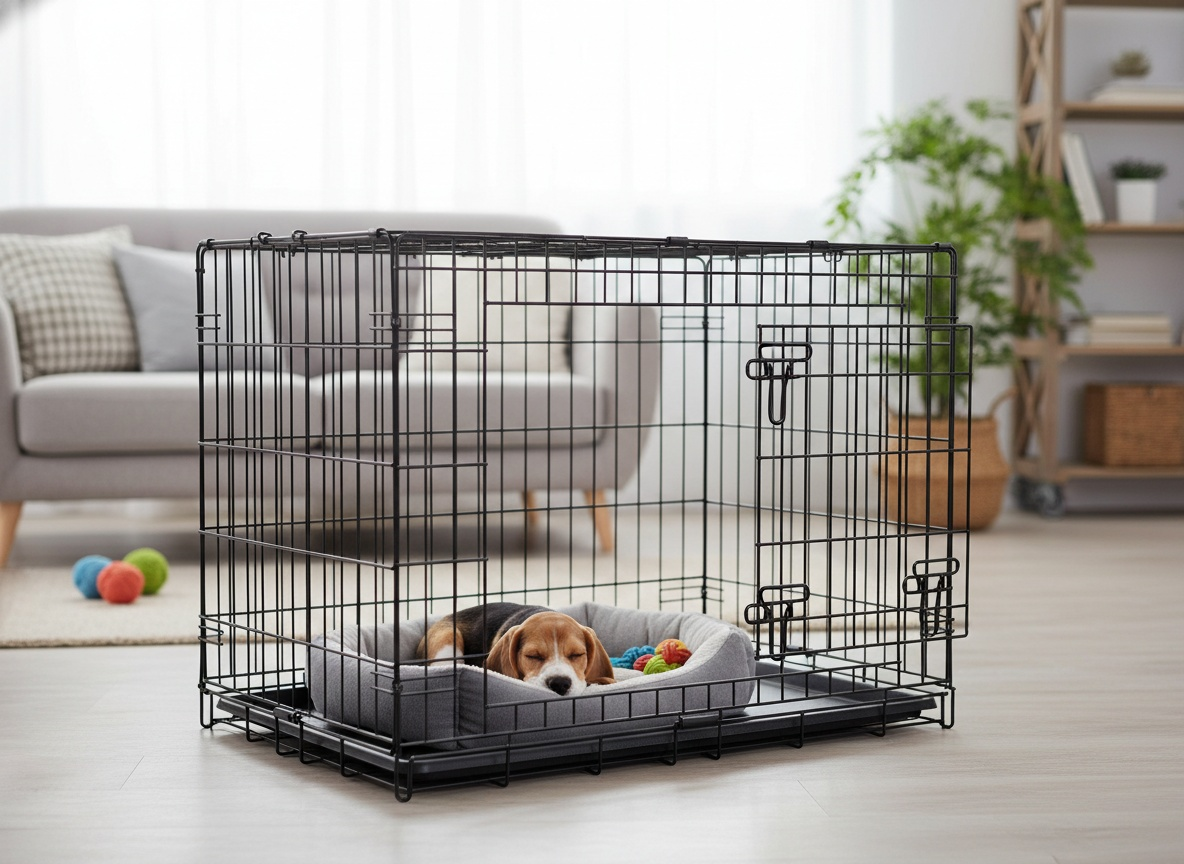
Choosing the best dog crates for training success can feel overwhelming at first. With so many styles, materials, and features to compare, it’s easy to wonder which crate will actually help your dog learn faster and feel more secure. Fortunately, the right crate not only supports housebreaking, it also boosts confidence, reduces anxiety, prevents destructive behavior, and encourages good habits from day one. If you’ve ever wondered why some dogs seem to learn almost instantly while others struggle, the crate often plays a much bigger role than you’d expect.
Training starts with comfort and security. Dogs are natural den animals, which means they instinctively look for spaces that feel cozy, protective, and calming. When you choose the best dog crates for your lifestyle and your dog’s personality, you give them that built-in safe zone. And once your dog feels safe, everything else—from potty training to overnight sleeping to being left alone—becomes easier.
In this article, we’ll explore what makes the best dog crates truly effective, which options stand out from the crowd, and how to use them correctly so your training journey feels smooth and successful. We’ll also look at common mistakes new owners make, how to size a crate properly, and which accessories can turn a basic crate into your dog’s favorite place in the house.
Why the Best Dog Crates Matter for Training Success
When it comes to training success, the best dog crates aren’t just containers—they’re powerful tools that shape habits. Using a crate the right way sets expectations, provides structure, and gives your dog a predictable routine. Without one, training becomes more chaotic, especially during those early stages when puppies are learning boundaries.
A great crate helps with potty training because dogs naturally avoid soiling their sleeping area. When you pair the right crate with a consistent schedule, you encourage your puppy to hold it longer, signal when they need to go out, and quickly understand where the bathroom actually is. This simple connection often cuts house training time in half.
Crate training also reduces stress. Dogs who learn to relax in their crates become more adaptable in new environments. Whether you’re traveling, heading to the vet, or having guests over, your dog always has a familiar place to retreat. This consistency lowers anxiety and builds long-term confidence.
Types of Crates: Which Are the Best Dog Crates for Your Training Goals?
Not all crates serve the same purpose. When you’re evaluating the best dog crates for training success, it helps to understand the different types and how they work with your dog’s needs.
Wire Dog Crates
Wire crates remain popular because they’re versatile, breathable, and easy to clean. They offer great visibility, which helps puppies stay aware of their surroundings without feeling trapped. Wire crates also usually include divider panels, making them ideal for growing dogs since you can adjust the space as needed. Since comfort matters for training success, the open-air design keeps dogs from overheating and gives them a clear view of their family.
These crates also fold flat, so you can store them quickly or take them on the go. However, some dogs might feel overstimulated if they can see everything happening around them. In those situations, covering the crate with a breathable blanket will create a calmer environment.
Plastic or Hard-Shell Crates
Plastic crates are often chosen for airline travel, but they’re also among the best dog crates for dogs who prefer a more enclosed environment. Because they offer fewer visual distractions, plastic crates create a cozy, den-like feeling that naturally encourages relaxation. Many nervous or anxious dogs settle better in this type.
These crates also retain warmth, making them a great choice for cooler climates. Although they may not fold down as easily as wire options, they’re lightweight, sturdy, and perfect for dogs who like a little extra privacy.
Heavy-Duty Dog Crates
If your dog is a skilled escape artist or tends to chew through standard crates, heavy-duty models can be a lifesaver. These crates use reinforced steel, escape-proof latches, and durable construction that stands up to determined dogs. While heavy, they provide unmatched safety for both you and your pet.
They’re especially helpful for training large, strong breeds or dogs with separation anxiety. When used respectfully, a secure crate provides calm boundaries that support successful training.
Soft-Sided Dog Crates
Soft-sided crates are lightweight and portable, making them excellent for travel, camping, or temporary indoor setups. They’re best suited for well-trained, calm dogs who already love their crates, since soft material isn’t ideal for chewers or anxious dogs. If your dog likes cozy spaces and you need something easy to transport, these can be among the best dog crates for casual use.
Furniture-Style Dog Crates
If aesthetics matter in your home, furniture-style crates give you the best of both worlds. They blend into your décor and provide a safe space without looking like standard pet gear. These crates work best for calm dogs and can double as side tables or accent pieces. Although they’re not designed for heavy training phases or high-energy puppies, they’re ideal for adult dogs with established habits.
How to Choose the Best Dog Crates for Training Success
Selecting the best dog crates requires more than choosing a style you like. Every dog has unique preferences, habits, and personalities. Picking the right crate starts with understanding your dog’s needs and matching them to the crate’s features.
Start with the Right Size
Size is the foundation of crate training success. A crate should be just large enough for your dog to stand up, turn around, and lie down comfortably. Too much space can slow down housebreaking because it allows your dog to sleep on one side and soil the other. On the other hand, a crate that’s too small creates discomfort and causes stress.
For growing puppies, crates with divider panels offer flexibility. You can adjust the space gradually, ensuring your dog always has the right amount of room.
Consider Your Dog’s Energy and Temperament
Calm, relaxed dogs often do well with soft-sided crates or furniture crates. Energetic dogs benefit from sturdy wire or hard-shell designs. If your dog has separation anxiety or a history of breaking out of crates, heavy-duty models provide the safety and structure needed for training success.
Think About Your Lifestyle
If you travel frequently, a portable soft-sided crate or an airline-approved plastic crate may be the best choice. For home-centered training, wire crates offer flexibility and a clear view of your dog. If you want a permanent, stylish piece of furniture, a wooden crate might fit perfectly into your living room.
Top Features Found in the Best Dog Crates
What turns a good crate into one of the best dog crates for training success? A few key features make a big difference in how effective the crate becomes.
Secure Latches
Training becomes smoother when your dog can’t accidentally escape. Look for dual-latch systems or reinforced lock mechanisms that keep the crate closed without sticking or jamming.
Easy-Clean Materials
Accidents happen, especially during housebreaking. Crates with removable trays or wipe-friendly surfaces save time and reduce odor buildup. This makes the training process easier and far more pleasant.
Ventilation and Visibility
Proper airflow keeps your dog comfortable. Wire crates excel here, but many plastic crates have strategically placed ventilation holes. Balanced visibility helps your dog feel connected without being overstimulated.
Divider Panels
Divider panels ensure your dog always has the right amount of space. They help puppies adjust as they grow and maintain comfort without sacrificing training goals.
How to Use the Best Dog Crates for Real Training Success
Once you bring home one of the best dog crates, the real magic comes from how you use it. Proper introduction and routine make all the difference.
Introduce the Crate Gradually
Start with short, positive sessions. Let your dog explore the crate at their own pace. Place treats, toys, or blankets inside to make it inviting. Never force your dog in. Instead, encourage curiosity and comfort.
Build Strong, Predictable Routines
Dogs thrive on routine. Use the crate during naps, quiet time, and overnight. Keep expectations consistent so your dog knows when it’s time to rest and when it’s time to play. With consistent use, the crate becomes a reliable part of your dog’s daily rhythm.
Avoid Using the Crate for Punishment
A crate should always feel like a safe haven. Using it as punishment breaks trust and makes training harder. Keep crate time positive by offering praise, treats, and calm attention.
Add Comfort with Accessories
Soft bedding, safe chew toys, and calming scents like lavender sprays can transform a crate into your dog’s personal sanctuary. A comfortable crate encourages longer resting periods and smoother training progress.
Common Mistakes to Avoid with Dog Crates
Even the best dog crates won’t help if training habits work against you. Avoiding common mistakes helps your dog learn faster.
One of the most frequent errors is leaving a dog in the crate too long. Puppies, especially, need frequent bathroom breaks and mental stimulation. Long confinement leads to anxiety, accidents, and confusion. Aim for short, structured crate sessions and always follow age-appropriate guidelines.
Another mistake is inconsistent rules. If your dog sometimes sleeps in your bed and other times in the crate, mixed signals slow down training. Consistent rules build confidence and speed up progress.
Finally, choosing the wrong size crate causes problems. A crate that’s too large encourages unwanted habits, while a crate that’s too small creates tension and stress. Always size carefully and adjust as needed.
Why the Best Dog Crates Create Long-Term Success
A high-quality crate builds lifelong skills. Dogs who learn through crate training grow into confident, well-behaved companions. They handle travel better, settle quickly in unfamiliar environments, and adapt easily to routine changes. When you invest in one of the best dog crates, you equip your dog with a skill that supports them throughout their life.
Training success isn’t just about teaching commands. It’s about creating structure, reducing stress, and giving your dog a place to feel completely secure. The right crate does all of this effortlessly when used properly.
Conclusion
The best dog crates for training success aren’t just convenient—they’re transformational. With the right size, structure, and setup, a crate becomes one of the most valuable tools in your dog-training journey. Whether you’re raising a new puppy or shaping better habits in an adult dog, the perfect crate provides safety, comfort, and confidence every step of the way. When you choose thoughtfully and train consistently, crate training becomes one of the most rewarding parts of dog ownership.
FAQ
1. What size crate should I choose for my dog?
Pick a crate big enough for your dog to stand, turn around, and lie down comfortably. Avoid oversized crates to support training.
2. How long can a puppy stay in a crate?
Young puppies need frequent breaks. Limit crate time to short sessions and gradually increase it as they grow.
3. Should I cover my dog’s crate?
Covering the crate can help anxious dogs feel secure, but always use breathable fabric and monitor your dog’s comfort.
4. Can crate training help with separation anxiety?
Yes, when done correctly. Crates provide structure and predictability, which helps many dogs feel calmer when alone.
5. When should I stop crate training?
Many owners keep crates available for life, but you can reduce use once your dog consistently shows good behavior and confidence.