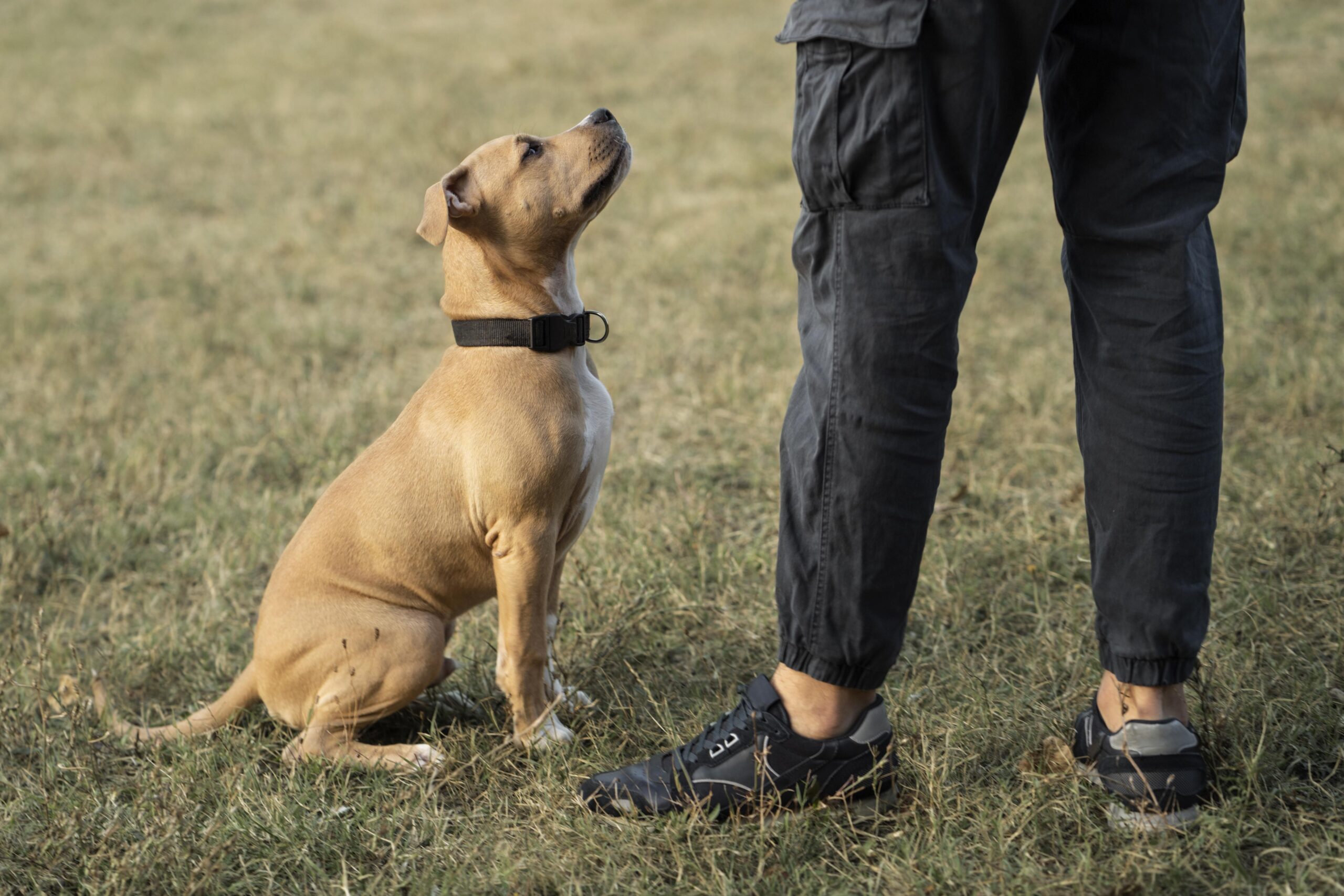
Training your dog can feel like a balancing act between patience and persistence. But with the best dog training collars, that journey becomes a lot smoother. Whether you’re dealing with stubborn barking, pulling on the leash, or slow obedience response, the right collar can make all the difference. The key is knowing which one fits your dog’s personality and training goals.
Let’s dive into how to choose and use the best dog training collars for safe, consistent, and effective results.
Why Use a Dog Training Collar?
A dog training collar isn’t a punishment tool—it’s a communication device. When used correctly, it reinforces commands and redirects unwanted behaviors humanely. Think of it as a translator between you and your dog, helping bridge understanding without confusion.
These collars work through different methods—vibration, tone, static, or spray—to get your dog’s attention. Instead of shouting or tugging on a leash, you can gently signal what you expect. Over time, your dog learns to associate the cues with desired behaviors, building trust and consistency.
Training collars can also be useful for safety, especially during off-leash training sessions or in busy environments. A quick signal can prevent a dog from running into danger, giving you peace of mind.
Types of Dog Training Collars
Not all collars are created equal. To find the best dog training collars, you need to understand how each type works. Let’s explore the most common ones and what they’re best suited for.
1. Vibration Collars
Vibration collars are a favorite among dog owners who prefer a gentle approach. Instead of using sound or static, they vibrate to get your dog’s attention. These are ideal for sensitive or small dogs who may find other collars too intense.
They’re particularly effective for basic obedience training and recall commands. For instance, when your dog ignores a “come” command, a quick vibration reminds them to return.
2. Static Shock Collars
Despite the name, modern static collars aren’t painful. They deliver a mild, adjustable static pulse similar to the sensation of touching a doorknob after walking on carpet. Used properly, static collars can be effective for addressing stubborn behaviors like chasing, excessive barking, or aggression.
Look for collars with adjustable intensity levels to customize the response to your dog’s sensitivity.
3. Sound and Beep Collars
Sound-based collars emit a beep or tone that signals your dog to stop a behavior. This method works best when paired with positive reinforcement, such as praise or treats. It’s a great starting point for dogs new to training collars since it’s non-intrusive and easy to understand.
4. Spray Collars
These collars release a quick spray—often citronella or unscented mist—when your dog barks or misbehaves. The sudden scent distracts your dog, interrupting unwanted behavior. Spray collars are effective for barking issues and are popular among owners who dislike sound or static correction.
5. GPS and Smart Collars
Modern technology has taken training collars to the next level. GPS and smart collars not only help with training but also track your dog’s location, activity, and even health metrics. Brands like Garmin, Fi Smart Dog Collar, and Whistle GO Explore offer multifunctional options for serious trainers and pet owners.
How to Choose the Best Dog Training Collar
When selecting the best collar, consider these factors to ensure effectiveness and comfort:
Size and Fit
Your dog’s collar should fit snugly but not tightly. Measure your dog’s neck circumference and follow the manufacturer’s sizing guide. A poorly fitting collar can reduce effectiveness or cause discomfort.
Training Purpose
Is your goal to stop barking, teach recall, or correct leash pulling? Match the collar type to your training goal. For example, vibration collars work best for recall, while spray collars help curb barking.
Dog’s Temperament
Gentle breeds like Cavalier King Charles Spaniels might respond better to vibration or sound cues. More stubborn breeds, such as Huskies or German Shepherds, may require static or GPS-based collars for reliable response.
Ease of Use
A training collar should be easy to operate. Look for models with clear controls, rechargeable batteries, and durable materials.
Range and Signal Strength
If you train outdoors, choose a collar with an extended range. Some top-rated models, like the SportDOG FieldTrainer 425X, work up to 500 yards away.
Safety Features
Prioritize collars with automatic shutoff, waterproofing, and customizable sensitivity settings. This ensures humane training without overstimulation.
Top 5 Best Dog Training Collars for 2025
Let’s explore some of the most reliable and effective options trusted by trainers and pet owners alike.
1. SportDOG FieldTrainer 425X
This collar is ideal for outdoor enthusiasts. With a 500-yard range and multiple stimulation levels, it’s perfect for off-leash training. It also offers tone and vibration modes for gentler correction.
Pros: Long range, waterproof, customizable intensity
Cons: Premium price
2. Garmin Delta XC Bundle
A favorite among professional trainers, the Garmin Delta XC combines simplicity with advanced features. It allows up to 18 correction levels and supports multi-dog training.
Pros: Multi-dog system, reliable signal, long battery life
Cons: Slight learning curve
3. PATPET P320 Dog Training Collar
If you want an affordable, beginner-friendly option, the PATPET P320 fits the bill. It offers sound, vibration, and adjustable static modes, all controlled with a simple remote.
Pros: Budget-friendly, easy to use, great range
Cons: Not ideal for very large breeds
4. PetSafe Spray Bark Collar
Perfect for quiet households, this collar uses a gentle mist to discourage barking. It’s refillable, rechargeable, and completely humane.
Pros: Gentle correction, automatic response, no remote needed
Cons: Limited to barking correction
5. Fi Smart Dog Collar Series 3
This isn’t just a training collar—it’s a lifestyle upgrade. It tracks your dog’s location, sleep, and activity levels while offering basic training functions. Perfect for tech-savvy pet parents.
Pros: GPS tracking, long battery life, stylish design
Cons: Higher price point
Training Tips for Using Dog Collars Effectively
Using the best dog training collar is only part of the equation. The rest comes down to consistency, timing, and positive reinforcement.
1. Start with Low Intensity
Always begin with the lowest setting. Observe your dog’s reaction and adjust gradually. The goal is to get their attention, not cause fear.
2. Pair with Commands
Use the collar in combination with verbal cues like “sit,” “stay,” or “come.” Over time, your dog will associate the cue with the behavior instead of the correction.
3. Reward Good Behavior
After every successful command, reward your dog with treats or affection. This builds a positive association with training sessions.
4. Keep Sessions Short
Aim for 10–15 minute sessions. Short, consistent training is far more effective than long, drawn-out ones.
5. Stay Patient and Calm
Dogs pick up on your energy. A calm and patient trainer inspires confidence and focus in their dog.
Common Mistakes to Avoid
Even the best collars can fail if used incorrectly. Avoid these pitfalls:
- Using the collar as punishment
- Leaving the collar on for extended periods
- Ignoring your dog’s stress signals
- Skipping positive reinforcement
Remember, a collar should guide—not control—your dog’s behavior.
Where to Buy the Best Dog Training Collars
You can find trusted models at pet supply stores, Amazon, or specialized retailers like Chewy and PetSafe’s official website. Always buy from reputable sources to ensure authenticity and warranty coverage.
For professional insights, check out The American Kennel Club’s training advice and PetSafe’s product safety guide.
Conclusion
The best dog training collars are tools for communication, not punishment. When used with care and consistency, they can transform your dog’s behavior, enhance safety, and strengthen your bond. Choose a collar that suits your dog’s temperament and training goals, use it responsibly, and you’ll soon enjoy a well-mannered, confident canine companion.
FAQs
1. Are dog training collars safe for all breeds?
Yes, when used correctly and set to the appropriate intensity, training collars are safe for all breeds. Always start with the lowest setting.
2. How long should I use a training collar each day?
Use it only during training sessions, ideally 10–15 minutes at a time. Avoid leaving it on continuously.
3. Can I use a training collar on a puppy?
It’s best to wait until your puppy is at least six months old. Younger pups should first learn basic commands through positive reinforcement.
4. What’s the difference between vibration and static collars?
Vibration collars use gentle movement to get attention, while static collars provide a mild pulse. Both can be effective depending on your dog’s sensitivity.
5. Do training collars replace professional training?
No. They complement training by reinforcing commands. For complex behavior issues, professional guidance is still recommended.