Dog training becomes a whole lot easier when you have the best dog training treats in your pocket. If you’ve ever watched your dog snap to attention the moment a reward appears, you already know treats make learning faster, smoother, and far more enjoyable. But not all treats deliver the same results. Some are too big. Some are too crumbly. Others are too boring to spark excitement. That’s why choosing the best dog training treats matters more than most people realize. By using high-value, bite-sized rewards, you can speed up every step of training—from basic obedience to advanced tricks.
In this guide, you’ll learn exactly what makes a treat “training-friendly,” the top options for fast results, how to use them properly, and the smart tricks professional trainers rely on. Since training success depends on timing, consistency, and motivation, picking the best dog training treats is one of the simplest ways to boost your dog’s progress. Let’s dig in and help your dog learn faster starting today.
Why the Best Dog Training Treats Matter
If you’ve struggled with slow progress, distraction, or inconsistent responses, the issue may not be your technique—it may be the reward. Dogs learn quickly when they’re motivated. The best dog training treats tap into this desire by being irresistible, tiny, and quick to eat. That combination helps your dog stay engaged without getting full too fast. It also keeps your training rhythm smooth, because your dog doesn’t stop to chew for long periods.
When you think about it, treats are simply feedback. They tell your dog, “Yes, THAT was correct. Do it again.” Without clear feedback delivered at the right moment, behaviors take longer to stick. With the right treats, your dog stays focused, works harder, and learns faster. This simple change can shift the entire training process.
What Makes the Best Dog Training Treats Effective?
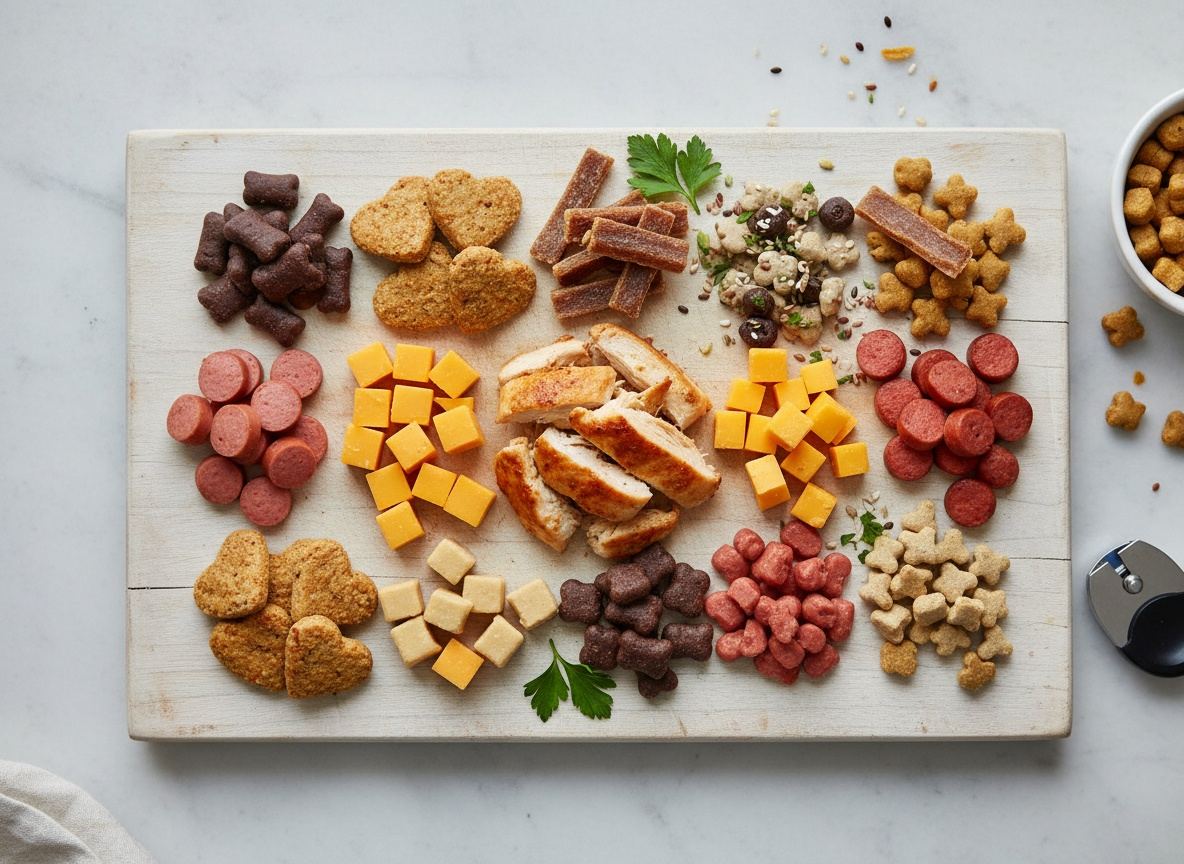
Choosing the best dog training treats for fast results comes down to understanding a few key traits. First, treats should be high-value. That means they’re tastier than everyday kibble. You want something your dog gets excited about the moment the scent hits their nose. Second, treats must be small. Ideally, they should be pea-sized or even smaller. When treats are tiny, you can reward more often without worrying about calories.
Next, consider texture. Soft treats work best for rapid-fire sessions because dogs eat them quickly without stopping to chew. They’re also ideal for puppies and senior dogs with sensitive mouths. Finally, the best dog training treats should be healthy. You don’t need them to be perfect, but you should aim for treats with real ingredients and minimal additives. When your dog eats many treats during training, quality matters.
Trainers often rotate between different varieties to keep dogs excited. Imagine eating the same reward 30 times in a row—it gets boring fast.Your dog feels the same way. By swapping flavors or textures, you maintain enthusiasm and improve learning speed.
Top Types of the Best Dog Training Treats for Fast Results
The good news is that you have plenty of options, and most dogs respond to several. While not every dog shares the same preferences, the following categories consistently perform best during training.
Soft Meat-Based Treats
These are widely considered the best dog training treats because they combine strong aroma, easy chewing, and high palatability. Chicken, turkey, and salmon treats are common favorites. Dogs naturally respond to meat scents, so these treats capture their attention even during distracting environments like parks or group classes.
Soft treats also break apart easily, allowing you to create even smaller bites. This helps you reward frequently without overfeeding. Another perk? Because they’re moist, they’re easy on your dog’s teeth and ideal for puppies still developing their bite strength.
Freeze-Dried Treats
Freeze-dried treats are a great middle ground between healthy ingredients and high motivation. Many are made from a single protein like beef liver, chicken breast, or lamb. Dogs love them because they’re packed with natural flavor. Since freeze-dried pieces can be crunchy, they may not be as fast to chew as soft treats, but they still work extremely well.
You can crumble freeze-dried treats into smaller pieces to stretch out your supply. Many trainers use freeze-dried liver as a “jackpot treat,” meaning a special, extra-rewarding bite used when a dog performs exceptionally well. Offering one of these at the right moment can boost your dog’s confidence and speed up learning.
Tiny Training Treats (Low-Calorie Options)
Many brands now create treats specifically designed for training. These are small, low-calorie, and soft, making them ideal for frequent rewards. Because the best dog training treats should allow for repetition, this category shines during long training sessions.
Low-calorie treats help prevent weight gain, especially for small breeds or dogs in weight-loss programs. You can also mix these basic training treats with higher-value ones to keep your dog guessing. That unpredictability makes training sessions feel like a fun game, which encourages your dog to stay engaged.
Homemade Training Treats
If you enjoy cooking or want full control over ingredients, homemade treats can be incredibly effective. You can use peanut butter-based recipes, baked chicken bites, or even dehydrated sweet potatoes. Homemade treats let you tailor flavors to your dog’s preferences. Plus, they’re typically cheaper in the long run.
Homemade treats should remain soft and moist for training. Dry biscuits can slow down your rhythm because dogs take longer to chew them. By keeping them bite-sized and refrigerator-friendly, you get the perfect training tool with a personal touch.
Vegetable and Fruit Treats
Some dogs love natural options like blueberries, apple slices, or cooked sweet potato cubes. While they may not work as well during distracting situations, they’re great for low-stress practice at home. These wholesome options are low-calorie and packed with nutrients. They also provide variety, which helps keep training enjoyable.
These natural snacks also help dogs maintain a balanced diet while rewarding frequently. Still, always ensure that the fruits or vegetables you offer are safe for dogs. Grapes, raisins, and some other foods can be dangerous, so choose wisely.
How to Use the Best Dog Training Treats for Maximum Results
Selecting the best dog training treats is only half the battle. How you use them makes an enormous difference in your dog’s progress. Effective treat delivery requires timing, consistency, and technique.
One of the biggest mistakes new dog owners make is showing the treat too early. When this happens, dogs learn to perform only when they see a treat. Instead, aim to keep treats hidden until the moment your dog performs the behavior. Then deliver the treat quickly and enthusiastically. This style reinforces the right action rather than the promise of food.
Another critical factor is timing. The reward should arrive immediately after the desired behavior—usually within two seconds. Waiting too long makes it harder for your dog to understand what you’re reinforcing. For example, if you ask for “sit” and your dog sits but then stands back up before you give the treat, you’re no longer rewarding the sit. The window of clarity matters.
The Power of High-Value Treats in Challenging Situations
High-value treats serve a special purpose in dog training. While basic treats work well at home, tougher environments call for something more exciting. If you’re training recall at the park, socializing your puppy in public, or working around other animals, you need the best dog training treats available. That usually means something extra tasty, like meat-based or freeze-dried proteins.
Think of high-value treats as the “premium currency” of dog training. You use them when you need your dog’s absolute best performance. Reserve them for important moments, and you’ll see faster results. When a treat smells irresistible, your dog tunes in quickly, even when distractions pop up.
How to Rotate the Best Dog Training Treats to Keep Dogs Engaged
Even the best dog training treats can lose their magic if used too often. Dogs get bored like humans do. To avoid this, rotate between two to four treat types. You might use soft chicken treats during one training session, freeze-dried liver the next, and tiny training bites during another.
This variety keeps your dog guessing in the best way. When they don’t know which treat is coming, they stay motivated throughout your entire training session. You can also use “jackpot rewards.” These are special treats given only when your dog performs exceptionally well or offers an advanced version of a behavior. Jackpot rewards boost confidence and reduce frustration during challenging tasks.
Choosing the Best Dog Training Treats for Puppies
Puppies require special consideration. Their mouths are small, their teeth are tender, and their attention spans are short. The best dog training treats for puppies are soft, tiny, and irresistibly tasty. Soft treats prevent chewing fatigue and make training enjoyable. Because puppies learn quickly, you’ll need many rewards in a short period, so tiny treats help keep calorie intake under control.
You can also mix in small amounts of puppy-safe human foods, such as cooked chicken or thin-cut cheese. Puppies are naturally curious, so offering new flavors helps them stay excited. Always supervise closely and break treats into very small pieces.
Healthy Alternatives That Still Deliver Fast Results
If your dog has allergies or sensitivities, don’t worry—you can still use the best dog training treats designed for sensitive stomachs. Limited-ingredient treat options are widely available. These treats reduce the risk of reactions while still providing great taste. Grain-free treats are also helpful for dogs with digestive issues or food-related skin problems.
Another healthy alternative is using part of your dog’s daily meal as training treats. This works especially well with dogs who are highly food-motivated. Kibble may not work for high-distraction environments, but it’s excellent for practicing easy skills at home. When you combine kibble with higher-value treats, you create a balanced training routine.
Avoiding Common Mistakes When Using Training Treats
It’s easy to misuse treats without realizing it. Many dog owners hand out treats even when behaviors aren’t perfect. This confuses dogs and slows learning. Instead, be intentional. Reward only the actions you want to reinforce.
Another common mistake is overfeeding. This happens when treats are too big or too frequent. Keep treats tiny, and remember that training sessions should be short but effective. Using the best dog training treats in small portions ensures your dog stays eager without getting stuffed.
Finally, avoid bribing. If your dog sees the treat before performing the behavior, they may become dependent on the treat’s presence. Hide treats and reward only after the correct action. This builds a stronger, more reliable training foundation.
Conclusion
Finding the best dog training treats for fast results can transform training from a struggle into a smooth, enjoyable experience. When you use small, tasty, high-value treats with smart timing and consistency, your dog learns faster and stays more engaged. Whether you stick with soft meat-based options, freeze-dried bites, low-calorie treats, or homemade goodies, the key is choosing rewards your dog genuinely loves. Combine that with clear communication and steady practice, and you’ll see impressive progress in no time. Training should be fun for both you and your dog, and the right treats make that possible.
FAQ
1. What makes the best dog training treats effective?
They’re small, soft, high-value, and quick for dogs to eat, which keeps training fast and engaging.
2. How often should I reward my dog during training?
Reward frequently, especially when teaching new skills. Small, rapid rewards help reinforce learning.
3. Are high-value treats necessary every time?
Not always. Use high-value treats for difficult tasks or distracting environments, and regular treats for easy work.
4. Can I use human food as training treats?
Yes, as long as it’s safe for dogs. Cooked chicken, cheese, and some fruits or vegetables work great.
5. What if my dog gets bored of the treats?
Rotate different treat types to maintain motivation and keep training fresh and exciting.