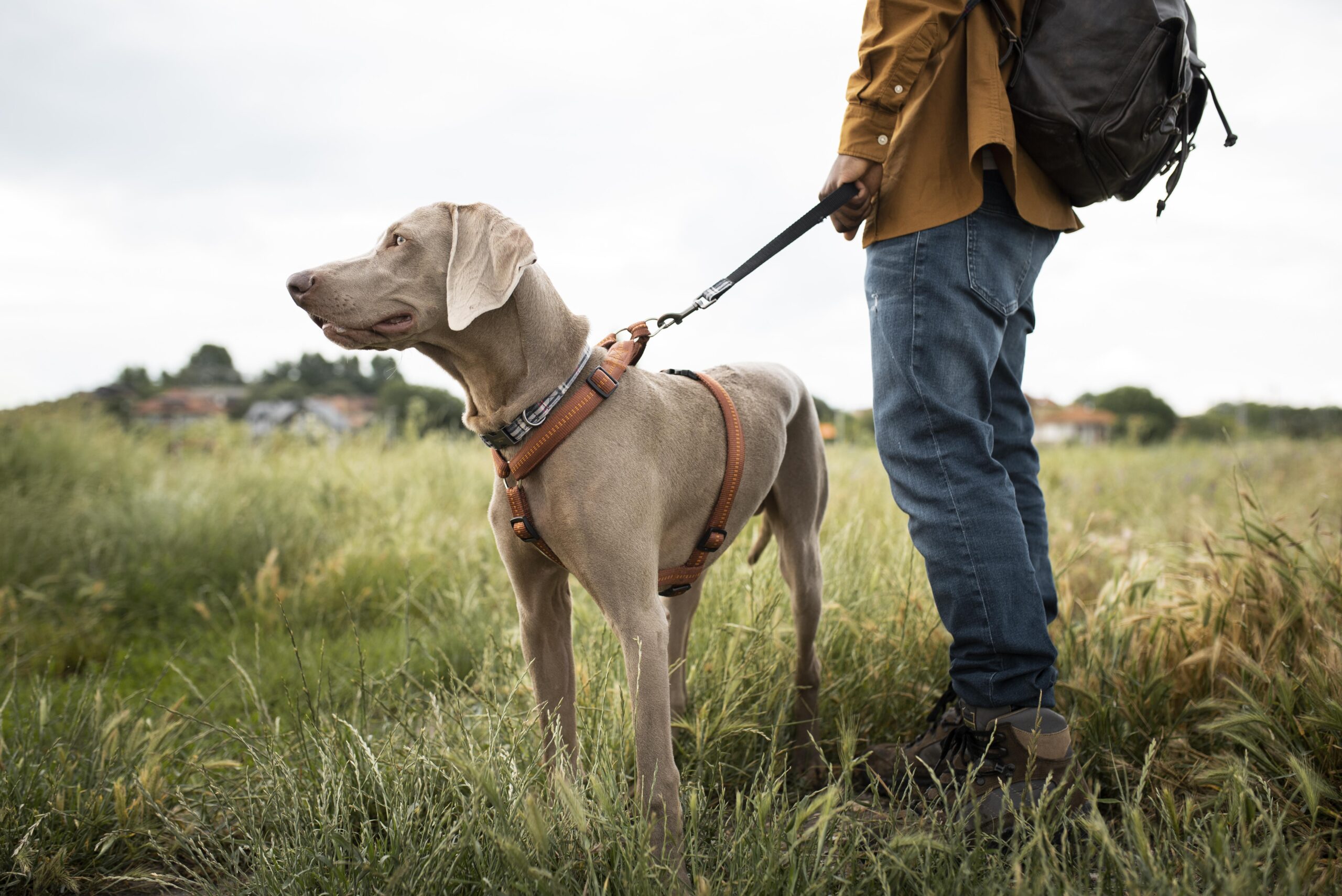
Walking your dog should be a joy, not a tug-of-war. Yet, for many pet owners, leash pulling turns a peaceful stroll into a daily struggle. The right no-pull harness can completely change that experience. These harnesses are designed to prevent pulling humanely while keeping your dog comfortable and secure.
In this guide, we’ll explore the best no-pull harnesses that actually work, explain how they help with training, and share real-world tips for choosing and using one effectively.
Why Dogs Pull on the Leash
Before we dive into the best no-pull harnesses, it’s important to understand why dogs pull in the first place.
Dogs are naturally curious creatures. Every walk is a sensory adventure filled with scents, sights, and sounds. When they pull, it’s usually not out of defiance—it’s enthusiasm. They want to explore faster than we can keep up.
Additionally, traditional collars can cause discomfort or even injury when a dog pulls. That tension encourages more pulling as your dog tries to escape the pressure. A no-pull harness, however, changes the dynamic by redirecting force away from the neck and giving you more control over movement.
How No-Pull Harnesses Work
No-pull harnesses are clever in their simplicity. Instead of attaching the leash at the back, many designs use a front-clip system that redirects your dog’s forward motion toward you.
When your dog lunges or pulls, the harness gently turns their body back toward you, making pulling less effective. Over time, your dog learns that walking calmly keeps the walk enjoyable and pressure-free.
Some harnesses combine front and back clips, allowing flexibility as your dog improves. The goal isn’t punishment—it’s communication. A good harness helps you guide your dog rather than overpower them.
Top 5 Best No-Pull Harnesses That Actually Work
Let’s explore the most trusted and effective no-pull harnesses available today. These options are tested, durable, and designed to improve your walking experience right away.
1. Ruffwear Front Range Harness
Ruffwear is a favorite among active dog owners, and the Front Range Harness lives up to the hype.
It features two leash attachment points—a reinforced front clip for no-pull training and a back clip for casual walks. The harness is padded for comfort, with reflective trim for nighttime safety.
It’s durable enough for hiking trails but soft enough for daily use. Whether you have a small terrier or a strong Labrador, the Front Range fits securely and encourages better leash manners.
Best for: Adventurous dogs and everyday walkers
2. PetSafe Easy Walk Dog Harness
The PetSafe Easy Walk is a classic choice that’s been trusted by trainers for years. Its straightforward front-clip design makes pulling physically unproductive.
When your dog tries to surge forward, the harness redirects them sideways, breaking the cycle of tension and frustration.
The nylon straps are lightweight, adjustable, and designed to rest across the chest—not the throat. Many pet parents report noticeable improvements within the first few walks.
Best for: Beginners and dogs learning leash control
3. Rabbitgoo No-Pull Dog Harness
Rabbitgoo combines affordability with impressive performance. Its sturdy design includes both front and back clips, soft padding, and breathable mesh for all-day comfort.
The no-pull effect is immediate: when your dog pulls, the front clip gently steers them back. Plus, it’s available in multiple colors and sizes, making it a popular pick for style-conscious owners.
Reflective stitching improves visibility, and the easy-snap buckles make it simple to put on or remove.
Best for: Budget-conscious pet owners who still want quality
4. Kurgo Tru-Fit Smart Harness
Kurgo’s Tru-Fit Smart Harness is built with safety in mind. It features five adjustment points for a tailored fit and includes a car safety tether for travel.
The chest plate offers padded comfort, while the steel hardware ensures long-lasting durability. The front clip minimizes pulling effectively without causing discomfort or chafing.
It’s also crash-tested for vehicle safety—ideal for dogs that accompany you on road trips.
Best for: Dogs who ride in the car and walk frequently
5. Blue-9 Balance Harness
The Blue-9 Balance Harness is a favorite among professional trainers for one key reason—custom fit. Its design allows full range of motion while gently discouraging pulling.
With multiple points of adjustment, it fits even hard-to-fit dogs like deep-chested breeds. The front clip encourages gentle redirection, helping your dog learn balanced, calm walking habits.
It’s lightweight yet sturdy, making it perfect for long walks or training sessions.
Best for: Training-focused owners who want precision control
How to Choose the Right No-Pull Harness
Picking the best no-pull harness for your dog depends on several factors.
Consider Size and Fit
A harness that’s too loose can slip off, while one that’s too tight can cause rubbing or discomfort. Always measure your dog’s chest and neck before buying. Look for adjustable straps and a snug—but not restrictive—fit.
Think About Your Dog’s Behavior
Is your dog a power puller or just excitable at first? For strong pullers, choose a front-clip harness with sturdy buckles. For mild pullers, a dual-clip design offers flexibility as behavior improves.
Prioritize Comfort and Durability
Look for padded straps, breathable mesh, and reflective material. Comfort encourages your dog to enjoy walks rather than resist them. A harness that’s easy to clean is a bonus, especially for outdoor adventures.
Training Tips to Reduce Pulling
Even the best no-pull harness is most effective when combined with training.
Start by rewarding calm walking behavior. When your dog walks beside you without tension on the leash, offer praise or a small treat. If they pull, stop walking until they return to your side.
Consistency is key. Over time, your dog will associate calm walking with positive outcomes and pulling with paused progress.
Keep sessions short and positive, especially for young or easily distracted dogs. Pairing training with a well-fitted harness builds confidence for both of you.
Benefits of Using a No-Pull Harness
Switching to a no-pull harness can transform your walks.
- Improved Control: You’ll guide movement with ease instead of relying on force.
- Reduced Strain: Your dog’s neck and throat remain protected.
- Enhanced Comfort: Padded harnesses prevent chafing and irritation.
- Better Behavior: Consistent redirection teaches polite walking habits.
- Increased Safety: Reflective and durable materials protect during night walks.
The biggest benefit? Walking becomes enjoyable again—for you and your dog.
Common Mistakes to Avoid
Even the best no-pull harness won’t work if it’s used incorrectly. Avoid these pitfalls:
- Improper fit: Always adjust straps before each walk.
- Attaching to the wrong clip: For training, use the front clip.
- Skipping training: Harnesses help, but consistency cements good habits.
- Neglecting comfort checks: Inspect for signs of chafing or rubbing.
A little attention to detail ensures both safety and effectiveness.
Conclusion
Finding the best no-pull harness can completely transform your walks from stressful to serene. It’s not just about control—it’s about communication, trust, and comfort.
Whether you choose the Ruffwear Front Range for adventure, the PetSafe Easy Walk for training, or the Rabbitgoo for budget-friendly reliability, the right harness can help you and your dog move as one.
The key takeaway? Walking your dog shouldn’t be a battle—it should be a bond. And the right no-pull harness is the first step toward that harmony.
FAQ
1. What is the best no-pull harness for large dogs?
The Ruffwear Front Range and Kurgo Tru-Fit Smart Harness are ideal for large, strong dogs due to their durability and control.
2. Are no-pull harnesses safe for small dogs?
Yes, as long as they’re properly fitted. Choose lightweight models like the Rabbitgoo or Blue-9 Balance Harness for smaller breeds.
3. How long does it take for a dog to stop pulling?
With consistent training and a good harness, many dogs improve within a few weeks of regular walks.
4. Can a no-pull harness hurt my dog?
No, when used correctly, it should never cause pain. It works by redirecting motion, not applying pressure to the neck.
5. Should I use a no-pull harness every day?
Yes, daily use is safe and effective, especially during leash training and regular walks.