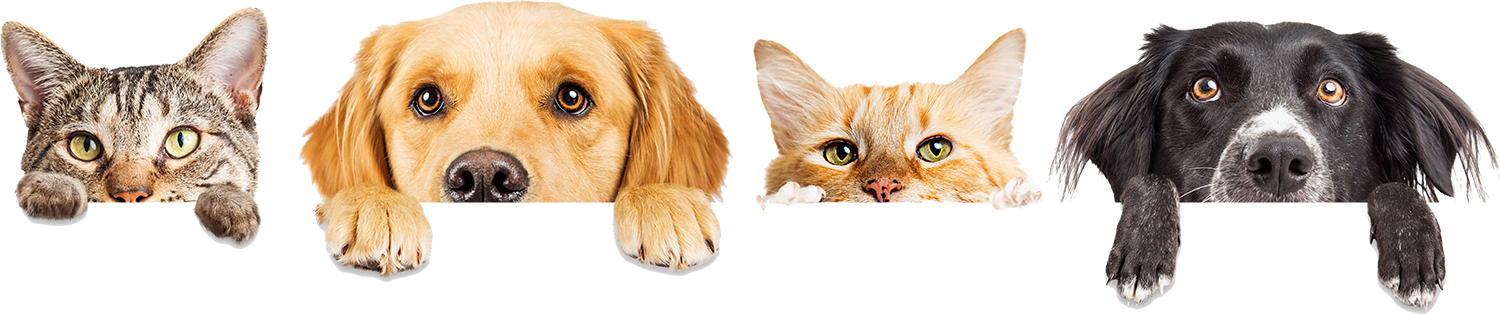
Interactive toys for dogs can completely change how your pup experiences alone time. Instead of pacing by the door or chewing your shoes, your dog can stay mentally engaged and emotionally balanced. When chosen wisely, these toys transform quiet hours into productive, enriching moments.
Leaving your dog at home is never easy. You grab your keys, and those eyes follow you. However, alone time does not have to mean boredom or stress. With the right stimulation, your dog can feel secure and entertained even when you are not there.
Let’s explore how the best interactive toys for dogs can prevent destructive habits and support emotional well-being.
Why Mental Stimulation Matters When Dogs Are Alone
Dogs are social creatures by nature. They were bred to work alongside humans, not to sit idle for hours. Therefore, when left without stimulation, they often create their own entertainment. Unfortunately, that “entertainment” may involve your couch cushions.
Mental exercise can be just as tiring as physical exercise. When your dog solves a puzzle or works for a reward, the brain becomes fully engaged. As a result, energy is channeled into something productive.
Moreover, structured mental activity reduces stress. A focused dog is a calmer dog. Instead of worrying about your absence, your pet concentrates on the task at hand.
That shift makes a significant difference.
Understanding Separation Stress and Productive Distraction
Some dogs handle alone time well. Others struggle. Whining, pacing, or excessive barking may appear within minutes of your departure.
While toys cannot replace companionship, they can provide meaningful distraction. When a dog focuses on solving a challenge, anxiety often decreases. Attention moves from the door to the toy.
Additionally, consistent enrichment builds confidence. Over time, your dog learns that your departure predicts something positive. Instead of feeling abandoned, your pet anticipates engagement.
This emotional reframing is powerful.
Types of Interactive Toys for Dogs That Keep Them Busy
Not every toy works for independent play. Some are better suited for supervised fun, while others are designed for solo engagement.
Choosing the right category makes all the difference.
Puzzle Feeders and Treat Challenges
Puzzle feeders are designed to make dogs think. Hidden compartments, sliding panels, and rotating pieces require problem-solving skills.
Because food is involved, motivation remains high. Even dogs who are normally lazy can become surprisingly determined when treats are at stake.
However, difficulty should match your dog’s experience level. If a puzzle is too complex, frustration may follow. Start simple. Then gradually increase the challenge.
Treat-Dispensing Balls and Rollers
Rolling toys that release kibble combine physical movement with mental effort. The unpredictable motion keeps dogs curious.
As the toy rolls, rewards appear randomly. This unpredictability mimics natural hunting behavior. Consequently, engagement lasts longer.
These options are especially helpful for energetic breeds that need movement.
Stuffable Chew Toys
Chewing provides comfort. It releases tension and satisfies instinctual urges. When chew toys are filled with soft food or peanut butter, they become highly engaging.
Freezing stuffed toys extends playtime even further. The frozen texture requires patience and persistence.
For anxious dogs, this repetitive chewing motion can be deeply calming.
Motion-Activated Gadgets
Some toys vibrate, light up, or make sounds when touched. They mimic prey and spark curiosity.
However, durability must be considered. Strong chewers require reinforced materials. Otherwise, these gadgets may not last.
Safety should always come first.
How to Choose the Right Option for Your Dog
Every dog has a unique personality. Therefore, selecting the best enrichment tool requires observation.
First, consider chewing strength. Heavy chewers need tough rubber or reinforced materials. Softer toys may be destroyed quickly.
Second, evaluate intelligence level. Highly intelligent breeds often enjoy advanced puzzles. Meanwhile, beginners benefit from simpler designs.
Third, think about size. A toy that is too small can pose a choking risk. A toy that is too large may feel intimidating.
Finally, rotate toys regularly. Novelty keeps engagement fresh. When the same toy appears daily, interest fades.
Introducing New Toys the Smart Way
Even the best products require proper introduction. Dogs need guidance before playing independently.
Start by demonstrating how the toy works. Let your dog watch you place treats inside. Encourage exploration with praise.
Next, allow short play sessions while you remain nearby. This builds familiarity and confidence.
Only after successful supervised sessions should the toy be offered during alone time. Gradual exposure prevents overwhelm.
Patience matters here.
Creating a Routine Around Enrichment
Dogs thrive on structure. Therefore, toys work best when combined with routine.
For example, take your dog on a walk before leaving. Physical exercise reduces pent-up energy. Then provide a mentally stimulating toy as you head out the door.
This pattern signals calm independence. Exercise comes first. Engagement follows. Rest often appears naturally afterward.
Additionally, soft background noise can help. Gentle music or white noise reduces sudden environmental triggers.
When enrichment and routine align, the results are impressive.
Common Mistakes Dog Owners Make
Sometimes owners expect instant success. However, dogs may need time to adapt.
One mistake involves offering toys only occasionally. Consistency is key. Enrichment should be part of daily life, not a rare treat.
Another issue arises when toys are either too easy or too difficult. Balance is essential. If your dog finishes within minutes, the challenge is too simple. If frustration appears quickly, the task may be too complex.
Furthermore, treat portions must be monitored. When using food-based toys, adjust regular meals accordingly.
Small adjustments create better outcomes.
DIY Enrichment Ideas for Budget-Friendly Fun
Store-bought options are convenient. However, creative household items can work just as well.
For instance, hide treats inside a loosely rolled towel. Your dog must carefully unroll it to find rewards.
Cardboard boxes layered together also create a scavenger hunt experience. Dogs enjoy tearing through layers to discover hidden snacks.
Safety remains essential. Avoid staples, tape, or small parts that could be swallowed.
DIY solutions add variety without extra cost.
Signs Your Dog Is Benefiting
How can you tell if enrichment is working?
Destructive behavior often decreases first. Shoes stay untouched. Trash cans remain upright.
Additionally, excessive barking may decline. A focused dog is less reactive.
You may also notice calmer greetings when you return home. Instead of frantic jumping, your dog appears content.
Improved sleep patterns can follow as well. Mental fatigue encourages deeper rest.
These signs indicate progress.
Matching Enrichment to Personality
Different temperaments require different approaches.
High-energy dogs benefit from rolling treat dispensers. Movement satisfies their active nature.
Sensitive or anxious dogs often respond better to frozen chew toys. The soothing action promotes relaxation.
Intelligent breeds enjoy layered puzzles with multiple steps. Complexity keeps boredom away.
Senior dogs typically prefer simpler challenges. Comfort becomes more important than difficulty.
When personality and enrichment align, success increases.
Are Toys Enough on Their Own?
Although enrichment tools are valuable, they are not complete solutions.
Dogs still require daily exercise, affection, and training. Toys support these needs but cannot replace them.
In severe anxiety cases, professional advice may be necessary. A veterinarian or behavior specialist can offer deeper strategies.
However, for most households, consistent mental stimulation dramatically improves alone-time behavior.
Conclusion: Transforming Alone Time Into Growth
Alone time does not have to be stressful for your dog. With thoughtful preparation and engaging enrichment, those quiet hours can become productive and calming.
Interactive toys for dogs offer mental stimulation, emotional comfort, and healthy distraction. When introduced properly and rotated regularly, they prevent boredom and reduce destructive habits.
Ultimately, the goal is balance. Combine exercise, routine, and enrichment, and you create a stable environment your dog can trust.
So next time you leave the house, do so with confidence. Your dog will not just wait. Your dog will play, think, and grow.
FAQs
- How long should enrichment toys keep my dog busy?
Most dogs stay engaged for 20 to 45 minutes. Frozen options may last even longer. - Are these toys safe without supervision?
High-quality, size-appropriate toys are generally safe. Always monitor new items before leaving them unattended. - Can they eliminate separation anxiety completely?
They reduce mild to moderate anxiety. Severe cases may require professional behavioral support. - How often should toys be rotated?
Rotating every few days maintains novelty and prevents boredom. - What if my dog ignores new toys?
Start with simple challenges and high-value treats. Gradually increase difficulty as confidence grows.