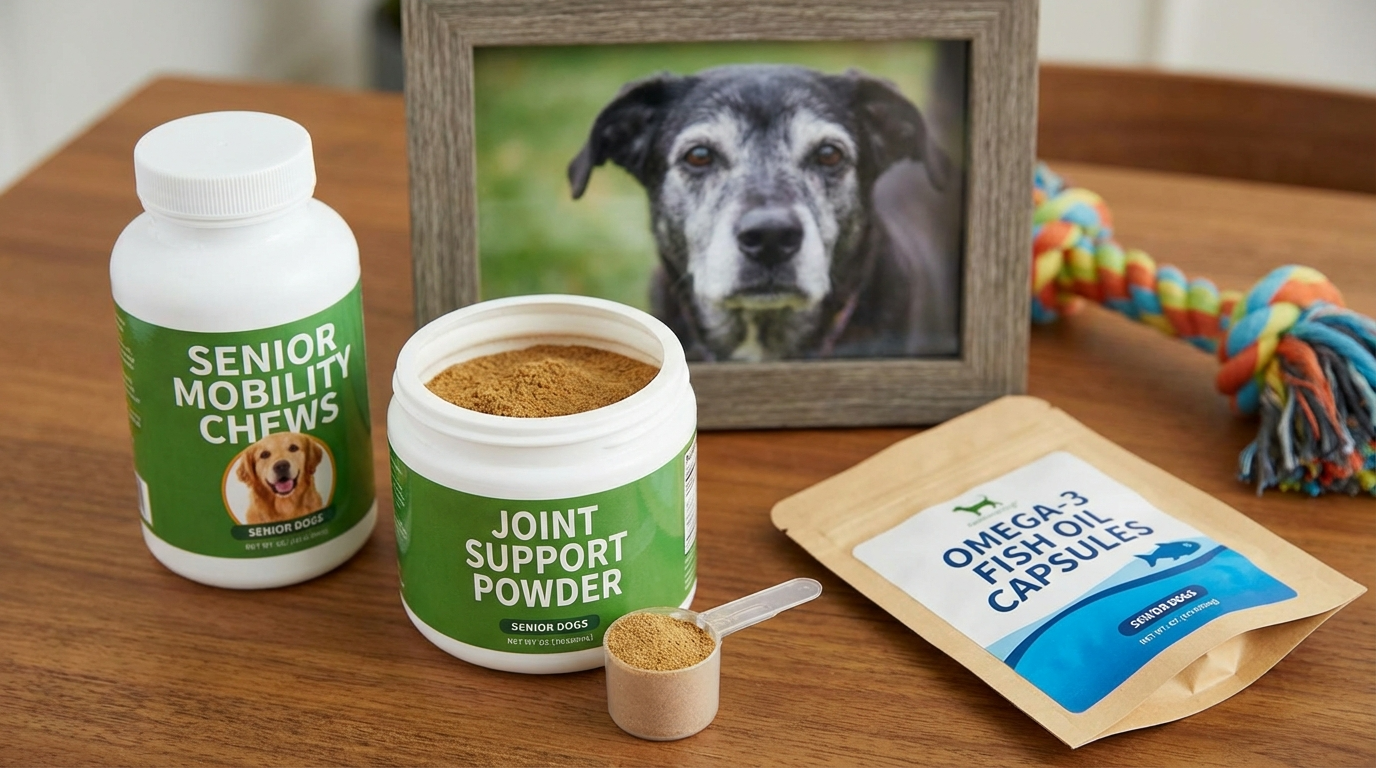
Watching your dog grow older can feel bittersweet. One day they are racing across the yard, and the next they hesitate before standing up. Aging is natural, yet it often brings stiffness, slower movement, digestive changes, and shifts in energy. While time cannot be reversed, comfort and vitality can be supported. This is where supplements for aging dogs become a valuable tool.
Senior dogs experience changes at both the cellular and systemic levels. Joints lose lubrication. Muscles weaken. The immune system becomes less responsive. Even the brain processes information more slowly. Nutrition plays a powerful role in how gracefully a dog ages, and targeted supplementation helps fill the gaps left by diet alone.
Supplements are not a cure-all. However, when used thoughtfully, they can enhance quality of life, maintain independence, and extend active years. Think of them as supportive teammates rather than miracle fixes. The goal is not eternal youth. It is comfort, clarity, and continued engagement with life.
This guide explores the most effective supplements for older dogs, explains how they work, and shows how to choose them safely. If your dog is entering their golden years, this knowledge can make a meaningful difference.
Why Aging Dogs Need Targeted Supplements
As dogs age, their nutritional needs change. Even high-quality food may no longer provide optimal levels of certain nutrients. Absorption declines. Metabolism slows. Wear and tear accumulates.
Supplements for aging dogs address these gaps by providing concentrated support. Joint supplements reduce inflammation. Digestive aids improve nutrient uptake. Antioxidants protect cells from damage.
Additionally, senior dogs often face multiple issues at once. Mobility, immunity, and cognition may decline together. Supplements allow targeted support without drastically changing the entire diet.
Importantly, supplementation is proactive. It supports the body before problems become severe. When started early, benefits are often more noticeable.
Veterinarians increasingly recommend supplements as part of senior care. The focus has shifted from treatment alone to long-term wellness management.
Joint Supplements for Aging Dogs
Joint discomfort is one of the most common challenges in senior dogs. Cartilage wears down. Synovial fluid decreases. Movement becomes stiff or painful.
Glucosamine and Chondroitin for Joint Support
Glucosamine and chondroitin are among the most widely used supplements for aging dogs. They support cartilage health and joint lubrication.
Glucosamine helps repair cartilage tissue. Chondroitin prevents cartilage breakdown and improves shock absorption. Together, they slow degenerative changes.
Results are gradual. Improvements often appear after several weeks. Consistency matters.
These supplements are especially helpful for dogs with arthritis, hip dysplasia, or previous injuries. While not a cure, they often improve comfort significantly.
MSM for Inflammation Reduction
MSM, or methylsulfonylmethane, supports joint health by reducing inflammation. It also helps improve flexibility.
When combined with glucosamine, MSM enhances overall joint function. Many senior formulas include this trio for comprehensive support.
Dogs with stiffness after rest often respond well to MSM supplementation.
Green-Lipped Mussel for Natural Mobility Support
Green-lipped mussel is a natural source of omega-3 fatty acids and glycosaminoglycans. It supports joint lubrication and reduces inflammation.
This supplement is particularly beneficial for dogs sensitive to synthetic compounds. It offers joint support through whole-food nutrition.
Many owners notice improved mobility within weeks.
Omega-3 Fatty Acids for Aging Dogs
Omega-3 fatty acids are essential for senior dogs. They support joints, heart health, skin, and brain function.
Fish Oil for Inflammation and Heart Health
Fish oil is one of the most effective supplements for aging dogs. It contains EPA and DHA, which reduce systemic inflammation.
Joint pain decreases. Skin becomes healthier. Cognitive function improves.
Additionally, omega-3s support cardiovascular health. This becomes increasingly important as dogs age.
Proper dosing is crucial. Too much can cause digestive upset. Quality also matters, as low-grade oils oxidize easily.
Krill Oil as an Alternative
Krill oil provides omega-3s in a more bioavailable form. It also contains antioxidants that protect fatty acids from oxidation.
Some dogs tolerate krill oil better than fish oil. Smaller doses may achieve similar benefits.
This option is ideal for picky eaters or dogs with sensitive stomachs.
Digestive Supplements for Senior Dogs
Digestive efficiency declines with age. Enzyme production decreases. Gut bacteria balance shifts.
Probiotics for Gut Health
Probiotics are beneficial bacteria that support digestion and immunity. Supplements for aging dogs often include specific strains designed for canines.
Improved digestion leads to better nutrient absorption. Stool quality improves. Gas and bloating decrease.
A healthy gut also strengthens immune function. This connection becomes critical in older dogs.
Probiotics are especially helpful after antibiotics or dietary changes.
Digestive Enzymes for Nutrient Absorption
Digestive enzymes help break down proteins, fats, and carbohydrates. Senior dogs may not produce enough naturally.
Supplementing enzymes reduces digestive strain. Meals are processed more efficiently.
Dogs with weight loss or inconsistent appetite often benefit from enzyme support.
Immune-Boosting Supplements for Aging Dogs
The immune system weakens with age. Infections become harder to fight. Recovery slows.
Antioxidants for Cellular Protection
Antioxidants neutralize free radicals that damage cells. Supplements for aging dogs often include vitamins C and E, selenium, and beta-carotene.
These nutrients protect organs and support immune response. They also reduce inflammation throughout the body.
Whole-food antioxidants from berries or herbs may offer additional benefits.
Medicinal Mushrooms for Immune Balance
Mushrooms like reishi and turkey tail support immune modulation. They help the immune system respond appropriately rather than excessively.
These supplements are increasingly used in senior dog care. They offer gentle, long-term support.
Dogs with chronic illness often benefit from immune-balancing compounds.
Cognitive Support Supplements for Senior Dogs
Cognitive decline affects many aging dogs. Symptoms include confusion, pacing, and disrupted sleep.
DHA for Brain Health
DHA, an omega-3 fatty acid, is essential for brain function. Supplements for aging dogs often include higher DHA levels to support cognition.
Improved alertness and reduced anxiety are common benefits.
Early supplementation may slow cognitive decline.
Phosphatidylserine for Mental Clarity
Phosphatidylserine supports neuron communication. It helps improve memory and learning.
Dogs experiencing confusion or disorientation may respond positively.
This supplement is often included in senior cognitive formulas.
Antioxidants for Cognitive Aging
Oxidative stress accelerates brain aging. Antioxidants protect neural tissue and support cognitive resilience.
Combined with DHA, they create a strong foundation for mental health.
Multivitamins Designed for Aging Dogs
Senior-specific multivitamins address multiple needs simultaneously. They provide balanced levels of vitamins and minerals without excess.
Supplements for aging dogs should avoid unnecessary fillers. Dosages should reflect reduced metabolic demand.
Multivitamins work best as a foundation, with targeted supplements layered as needed.
Veterinary guidance ensures appropriate selection.
Natural Supplements for Pain and Comfort
Pain management becomes increasingly important with age. Natural options offer gentle relief.
Turmeric for Inflammation
Turmeric contains curcumin, a natural anti-inflammatory compound. It supports joint comfort and immune health.
Absorption improves when combined with black pepper and fat.
Results vary, but many dogs experience reduced stiffness.
CBD for Senior Dog Comfort
CBD supplements are widely used to support comfort and calmness. They may reduce pain perception and anxiety.
Quality and dosage are critical. Products should be tested and THC-free.
Veterinary consultation is recommended before use.
Choosing Safe Supplements for Aging Dogs
Not all supplements are created equal. Quality matters more than quantity.
Products should be formulated for dogs, not humans. Labels should list active ingredients clearly.
Third-party testing ensures purity and potency. Avoid artificial colors and unnecessary additives.
Start one supplement at a time. Monitor response. Adjust as needed.
Veterinary input is invaluable, especially for dogs on medication.
When to Start Supplements for Aging Dogs
There is no exact age. Large breeds age faster. Small breeds age more slowly.
Subtle signs often appear first. Slower movement. Longer naps. Less enthusiasm.
Starting supplements early supports prevention rather than reaction.
Regular assessments help determine timing.
Conclusion
Supplements for aging dogs offer targeted support during life’s later stages. They help maintain mobility, digestion, immunity, and mental clarity. While they cannot stop aging, they can improve comfort and quality of life. With thoughtful selection and consistency, supplements become powerful allies in helping your dog age with dignity, comfort, and continued joy.
FAQ
1. When should I start giving supplements to my senior dog?
Most dogs benefit when early signs of aging appear, often between seven and ten years.
2. Can supplements replace medication for aging dogs?
Supplements support health but do not replace prescribed medication when needed.
3. Are human supplements safe for dogs?
No. Dogs require species-specific formulations and dosages.
4. How long does it take to see results from supplements?
Some benefits appear within weeks, while others require consistent use over months.
5. Should I consult a vet before starting supplements?
Yes. A veterinarian can help choose safe, effective options for your dog’s needs.