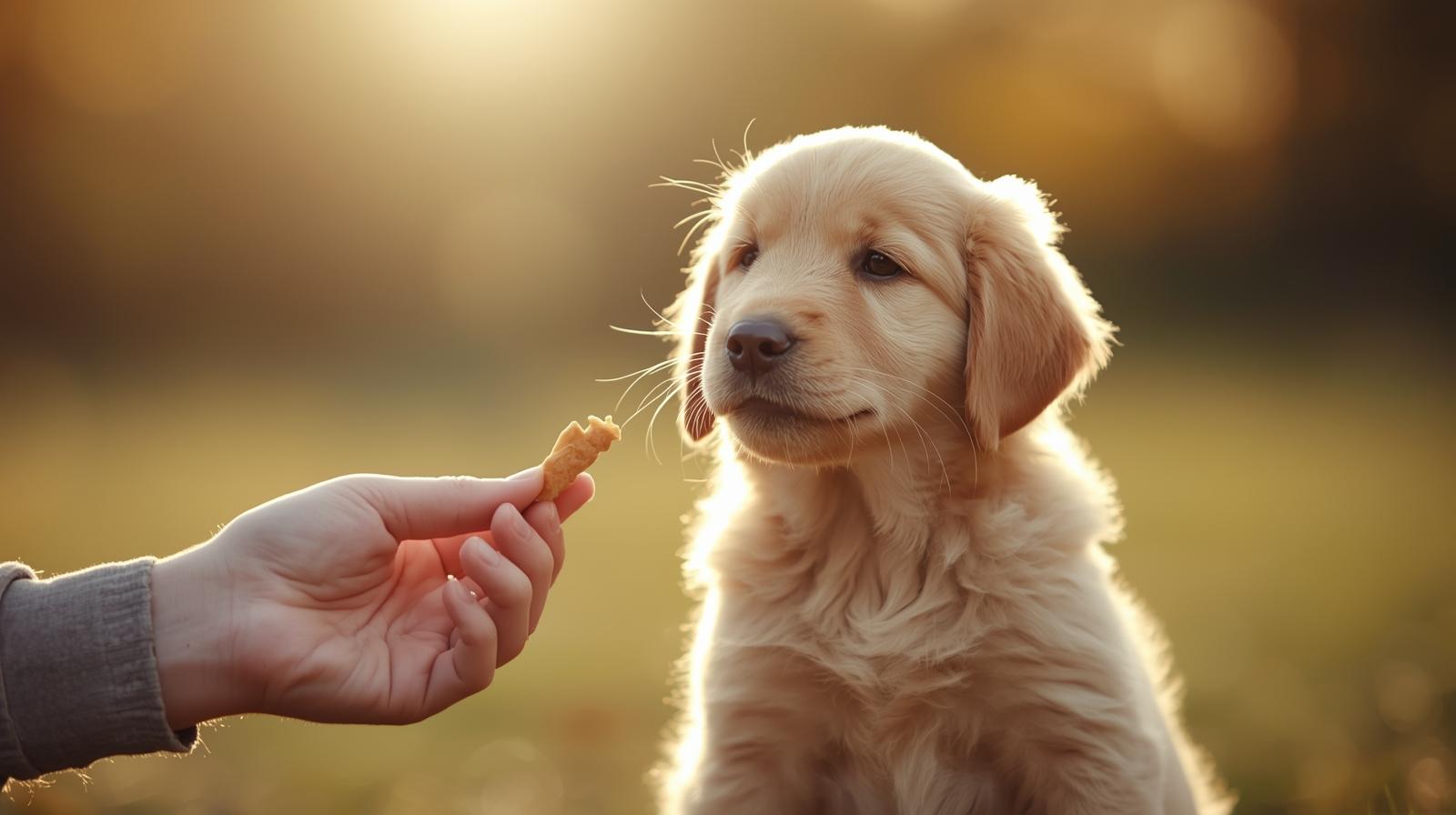
Bringing home a puppy feels like pure joy—those little paws, wagging tails, and playful eyes can melt any heart. But as adorable as your new companion may be, proper puppy training basics are what transform chaos into companionship. Without guidance, that cute bundle of fur can quickly turn into a whirlwind of chewed shoes and endless barking.
Let’s walk through the fundamental puppy training basics that every dog owner should know. You’ll learn how to establish good behavior, set routines, and build a strong bond that lasts a lifetime.
Understanding Puppy Training Basics
Before diving into commands or techniques, it’s crucial to understand what training means. Puppy training isn’t just about teaching obedience—it’s about communication. It’s how you and your dog learn to understand each other.
Dogs don’t automatically know human rules, so it’s your responsibility to guide them. Training builds trust and helps your puppy feel secure. When your pup knows what’s expected, anxiety decreases and confidence grows. That’s why starting early is so important—puppies are like sponges, soaking up every experience.
The goal isn’t perfection. The goal is consistency, patience, and positive reinforcement. Let’s break it down step by step.
Start with a Routine
Dogs thrive on structure. A regular schedule helps your puppy understand when to eat, play, and go potty. Keep things predictable—same times, same places.
For example, take your puppy outside every 2–3 hours, especially after meals or naps. Always use the same door and praise them when they go in the right spot. This builds strong associations that make house training smoother.
A consistent feeding and sleeping routine also supports faster learning. When your dog knows what to expect, they behave better because they feel secure.
Crate Training: Creating a Safe Space
Crate training is one of the most useful puppy training basics. Think of a crate not as a cage, but as your pup’s personal den—a cozy, safe retreat.
Start by introducing the crate slowly. Leave the door open and toss a few treats inside to encourage exploration. Add a soft blanket or toy to make it inviting. Once your puppy feels comfortable, close the door for short periods while you’re nearby. Gradually increase the time as they adjust.
Never use the crate as punishment. It should always be a positive experience. Over time, your puppy will associate it with calmness and rest. Plus, it’s a lifesaver for potty training and preventing destructive behavior when you’re not around.
Potty Training: Patience Is Key
One of the biggest challenges for new dog owners is potty training. Accidents will happen, and that’s okay. What matters most is patience and consistency.
Take your puppy outside frequently—first thing in the morning, after naps, after playtime, and before bedtime. Choose a specific spot and use a command like “Go potty!” Praise enthusiastically when they succeed. Dogs learn through association, so your excitement reinforces the behavior.
If an accident happens indoors, never scold harshly. Clean it thoroughly with an enzyme cleaner to remove odors, then move on. Yelling only causes confusion and fear. Calm correction and redirection work far better.
Socialization: Expose Your Puppy Early
Socialization is one of the most overlooked puppy training basics, yet it’s crucial. Between 8 and 16 weeks, puppies are in their prime learning window. This is the time to introduce them to different environments, people, sounds, and other animals.
Take short car rides, let them meet friendly dogs, and expose them to everyday noises like vacuum cleaners or doorbells. Keep experiences positive—never force interactions.
A well-socialized puppy grows into a confident, friendly adult. Without it, fear-based behaviors like aggression or anxiety may develop later.
Positive Reinforcement Works Wonders
Gone are the days of dominance-based training. Modern puppy training focuses on positive reinforcement—rewarding good behavior instead of punishing bad ones.
When your puppy does something right, such as sitting on command or walking nicely, reward them immediately with treats, praise, or playtime. This helps them connect actions with outcomes.
Over time, you can gradually reduce the number of treats as your dog learns commands. The key is timing and consistency. Rewards must come instantly, so your puppy understands exactly what they did right.
Basic Commands Every Puppy Should Know
Learning basic commands helps keep your dog safe and well-mannered. Start with simple ones and practice daily for short periods. Puppies have short attention spans, so keep sessions fun and upbeat.
Sit
Hold a treat near your puppy’s nose, then move it slowly upward. As their head follows, their bottom will naturally lower. Once they sit, say “Sit!” and reward immediately.
Stay
Ask your dog to sit, then open your palm in front of their face and say “Stay.” Step back slowly. If they stay put, reward them. Gradually increase the distance and duration.
Come
This command can save your dog’s life. Call your puppy’s name followed by “Come!” in an excited tone. When they approach, shower them with praise and treats.
Down
Hold a treat near your puppy’s nose and lower it to the ground. When they lie down, say “Down!” and reward. This command helps with calmness and control.
Leave It
Teaching “Leave it” prevents your pup from picking up harmful objects. Hold a treat in your closed hand, say “Leave it,” and wait until they stop trying. Then, reward from your other hand.
These fundamental commands form the core of good manners and self-control.
Leash Training: Walks Made Enjoyable
Walking your puppy should be a bonding experience, not a tug-of-war. Begin leash training indoors or in your yard first. Let your pup wear the collar and leash for short sessions while rewarding calm behavior.
If your puppy pulls, stop walking immediately. Wait until they relax, then continue. This teaches them that pulling gets them nowhere. Always praise when they walk beside you.
Using treats as motivation helps, but don’t overdo it. The ultimate reward should be the joy of exploring with you.
Curbing Bad Behaviors Early
Chewing, barking, and jumping are common puppy behaviors. Instead of scolding, redirect.
If your puppy chews furniture, offer a chew toy instead. For excessive barking, determine the trigger—boredom, fear, or excitement—and address it directly. When they jump on guests, turn away until they calm down, then reward gentle greetings.
The key is teaching what to do, not just what not to do. Replace undesirable actions with acceptable alternatives, and consistency will do the rest.
Using Internal and Outbound Learning Resources
To deepen your understanding of puppy training basics, check reputable sources like American Kennel Club (AKC) or Humane Society. You can also explore advanced topics on your favorite pet care blogs for continued learning.
Consistency: The Golden Rule
Training a puppy isn’t a one-day event—it’s a journey. Every family member should use the same commands, tone, and rules. Inconsistency confuses your dog and slows progress.
Remember, puppies live in the moment. Reinforce positive actions right away. Stay calm and patient during setbacks, because every mistake is a learning opportunity.
Building a Lifetime Bond
At the heart of all puppy training basics lies one goal: building a lasting, loving bond with your dog. Training creates understanding. It turns obedience into trust and companionship into teamwork.
When your puppy feels secure, understood, and rewarded for doing the right thing, you don’t just get a trained dog—you gain a loyal friend for life.
Conclusion
Mastering puppy training basics sets the stage for a lifetime of good behavior and happiness. From crate training to socialization and positive reinforcement, each step builds confidence and communication between you and your pup.
Be patient, stay consistent, and celebrate every small success. The effort you invest in those early months will reward you with a well-behaved, joyful dog that brightens your life every single day.
FAQs
1. How early should I start puppy training?
Start as early as 8 weeks old. Early training helps establish good habits and builds trust quickly.
2. How long should training sessions last?
Keep sessions short—about 5 to 10 minutes. Puppies have limited attention spans, so short bursts work best.
3. What should I do if my puppy won’t listen?
Stay calm, avoid yelling, and use positive reinforcement. Repetition and consistency always win.
4. How can I stop my puppy from biting?
Redirect biting to chew toys and say “No bite!” firmly. Avoid rough play that encourages nipping.
5. Is professional puppy training worth it?
Yes. A certified trainer can correct issues early and teach you effective communication techniques that last a lifetime.