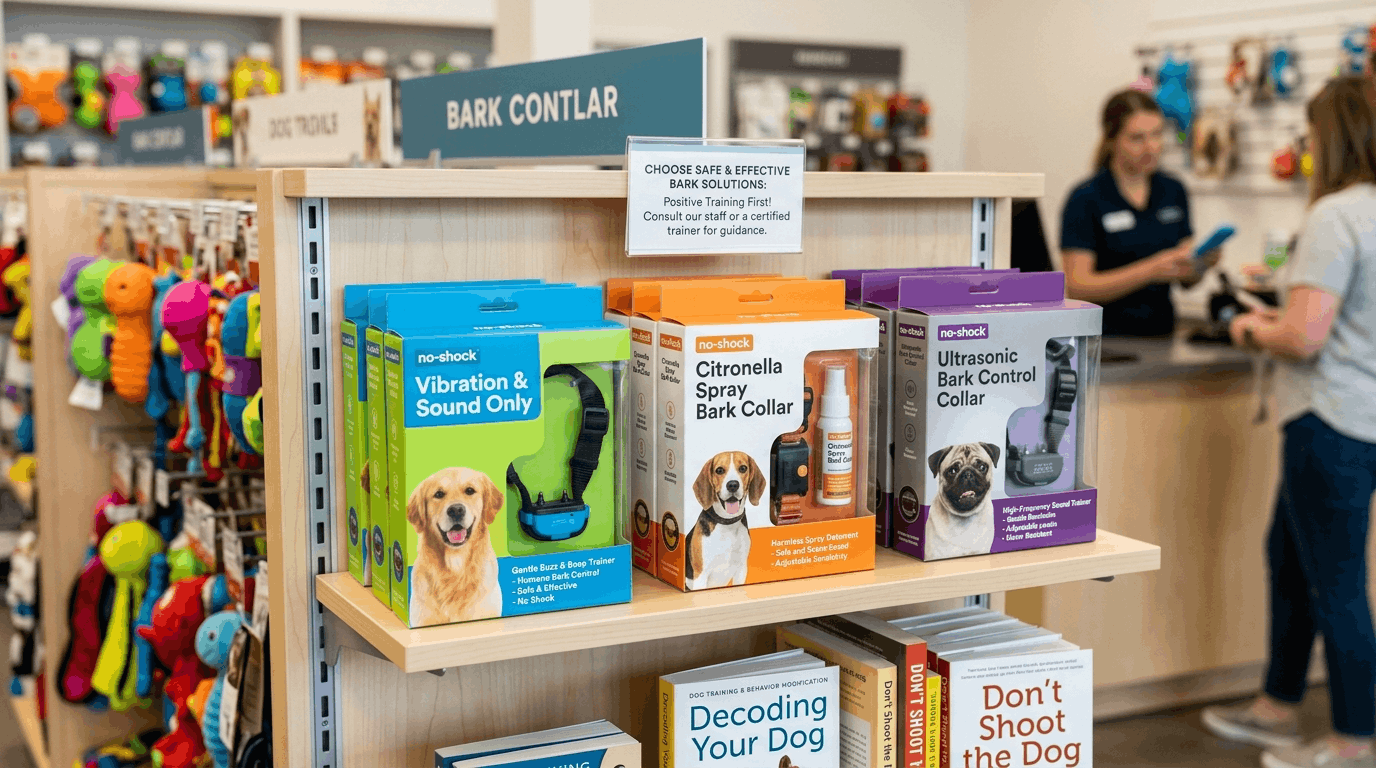
Excessive barking can quickly disrupt your home and create stress for both you and your dog. That is why many pet owners turn to barking dog training collars as a practical and reliable solution. While barking is completely natural, constant or unnecessary noise often signals deeper issues such as boredom, anxiety, or lack of structure. Fortunately, the right collar combined with proper training can help restore calm and improve communication between you and your pet.
Understanding your dog’s behavior is essential before introducing any training tool. Some dogs bark when they are excited, while others react to specific triggers like strangers, loud sounds, or being left alone. Because of this, barking dog training collars should not be used as a quick fix. Instead, they work best as part of a broader approach that focuses on guiding your dog toward better habits over time.
How Barking Dog Training Collars Work
Barking dog training collars are designed to interrupt unwanted barking and redirect your dog’s attention. They do this through various types of feedback, depending on the model you choose. For example, some collars use sound, while others rely on vibration or gentle static correction.
Vibration collars are one of the most widely used options because they are both effective and humane. When your dog barks, the collar produces a mild vibration that encourages them to stop. Over time, your dog begins to associate the sensation with barking, which helps reinforce quieter behavior.
Sound-based collars work differently by emitting a tone that distracts your dog. Although the sound is often subtle to humans, it can be enough to interrupt the barking cycle. However, some dogs may eventually ignore the tone if it is overused.
More advanced barking dog training collars include adjustable static correction. These collars allow you to control the level of stimulation, ensuring that it remains safe and appropriate for your dog’s size and temperament. When used properly, this type of collar provides clear feedback without causing harm.
Types Of Collars To Consider
Choosing the right collar requires understanding the available options and how they match your dog’s needs. Barking dog training collars come in several forms, each offering unique benefits depending on the situation.
Vibration collars are ideal for small or sensitive dogs. They provide gentle feedback without introducing any form of shock, making them a popular starting point for many owners. Additionally, they are easy to use and often come with adjustable intensity levels.
Sound collars are another option, particularly for quieter environments. They rely on ultrasonic tones that are unpleasant to dogs but typically unnoticed by humans. While effective at first, they may lose impact if your dog becomes accustomed to the sound.
Static collars offer a stronger form of correction and are often used for persistent barking issues. Modern versions are designed with safety in mind, allowing gradual adjustments to ensure comfort. Many barking dog training collars combine multiple modes, giving you flexibility as your dog learns.
How To Choose The Right Collar
Selecting the right collar depends on several important factors. First, consider your dog’s size and breed. Smaller dogs usually respond well to lighter stimulation, while larger breeds may require stronger feedback. Because of this, barking dog training collars with adjustable settings provide the most versatility.
Temperament also plays a major role. If your dog is anxious or easily startled, a vibration or sound collar may be more appropriate. On the other hand, confident or stubborn dogs may need a more noticeable correction to break the barking habit.
Comfort and fit are equally important. The collar should sit snugly around your dog’s neck without causing irritation. A proper fit ensures consistent contact, which improves effectiveness and prevents discomfort. Additionally, many barking dog training collars are designed with waterproof features, making them suitable for outdoor use.
Battery life is another practical consideration. Rechargeable collars tend to be more convenient and cost-effective over time. Therefore, choosing a model with long battery life can make daily use much easier.
Using Collars Safely And Effectively
Although barking dog training collars can be highly effective, they must be used responsibly. Misuse can lead to confusion or stress, which is why proper training techniques are essential. Instead of relying solely on the collar, combine it with positive reinforcement.
For example, when your dog stops barking after a correction, reward them with praise or a treat. This approach helps them understand that quiet behavior leads to positive outcomes. As a result, the collar becomes a communication tool rather than a punishment device.
It is also important to monitor your dog’s reaction. If they appear anxious or uncomfortable, adjust the settings immediately. Starting with the lowest level and increasing gradually ensures that your dog remains comfortable throughout the process.
Consistency is another key factor. Dogs learn best when expectations remain clear and predictable. Therefore, use barking dog training collars during situations where barking usually occurs, such as when someone knocks on the door or when your dog is left alone.
Common Mistakes To Avoid
Many dog owners unintentionally reduce the effectiveness of training collars by making simple mistakes. One common issue is ignoring the root cause of barking. For instance, if your dog is bored, increasing physical activity and mental stimulation can significantly reduce unwanted behavior.
Another mistake is using high intensity settings too quickly. Starting at a lower level allows your dog to adjust without fear or discomfort. Gradual progression leads to better long-term results.
Inconsistent use can also create confusion. If the collar is only used occasionally, your dog may struggle to understand the connection between barking and correction. Therefore, maintaining a regular routine is essential when using barking dog training collars.
Are These Collars The Right Solution
Not every barking problem requires a training collar. Some dogs respond well to basic obedience training and environmental adjustments. However, for persistent or excessive barking, barking dog training collars can provide a structured and effective solution.
These collars are not shortcuts but supportive tools that enhance your training efforts. When combined with patience and proper guidance, they can significantly improve your dog’s behavior. In many cases, owners begin to see noticeable changes within a short period.
Still, long-term success depends on consistency and understanding your dog’s needs. By focusing on both training and communication, you create a more balanced and peaceful environment for everyone.
Conclusion
Barking dog training collars offer a practical way to manage excessive barking while supporting better behavior. When chosen carefully and used correctly, they help create clear communication between you and your dog. More importantly, they encourage long-term improvement without harming your pet’s well-being.
The key to success lies in combining the collar with positive reinforcement and consistent training. By doing so, you not only reduce unwanted barking but also strengthen your relationship with your dog. Ultimately, the goal is to create a calmer, happier home where both you and your pet can thrive.
FAQ
1. What type of collar works best for sensitive dogs?
Vibration collars are usually the best choice because they provide gentle feedback without causing stress.
2. How quickly can barking be reduced with these tools?
Many dogs respond within a few days, although consistent training improves long-term results.
3. Are these collars safe for daily use?
Yes, as long as they are used properly and not worn for extended periods without breaks.
4. Can puppies use training collars?
Most experts recommend waiting until a dog is at least six months old before using these tools.
5. Should I still train my dog without a collar?
Yes, combining training methods with positive reinforcement leads to the best behavior improvements.