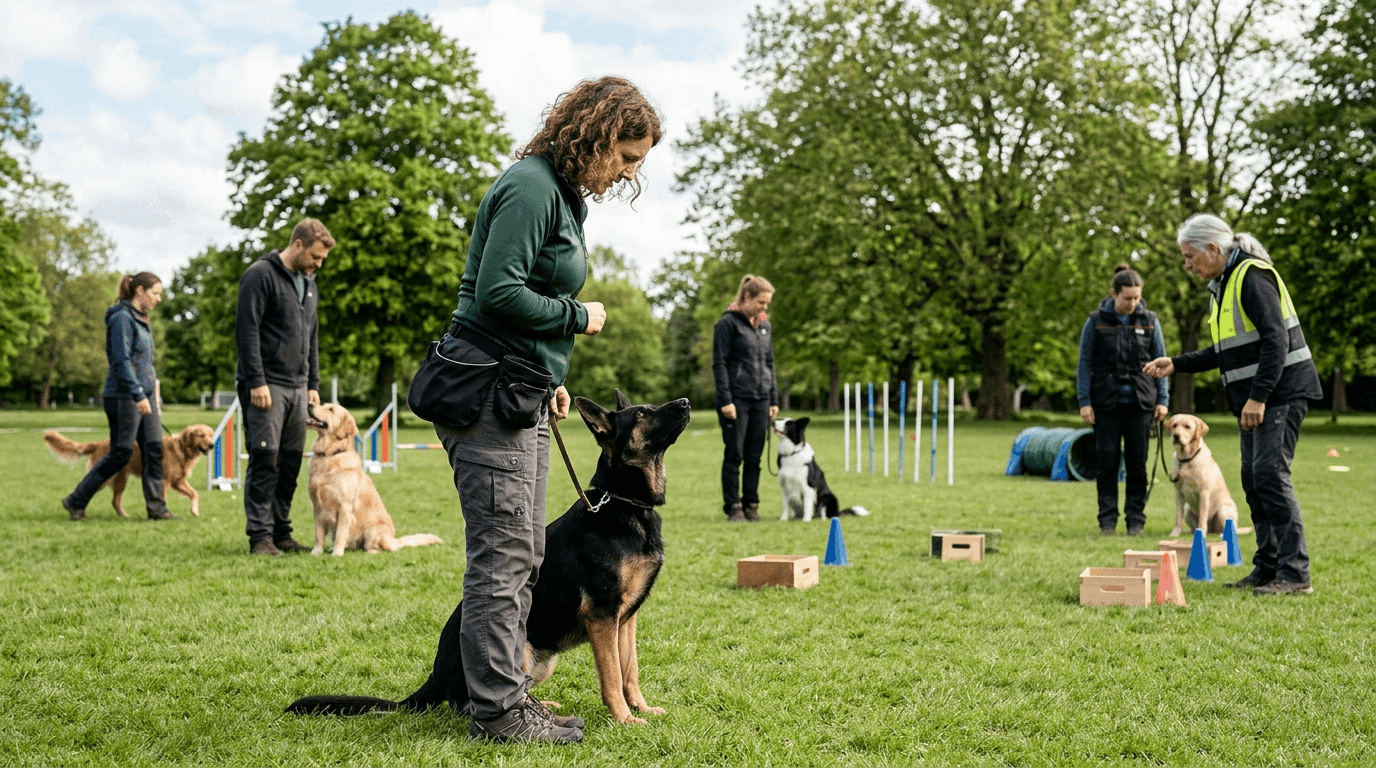
Building strong behavior habits takes time, patience, and consistency. While basic commands create a solid foundation, advanced obedience training for dogs helps develop better focus, reliability, and self-control in more challenging environments. Many dog owners eventually reach a stage where simple sit and stay commands no longer feel enough. They want a dog that listens around distractions, responds confidently off-leash, and behaves calmly in public settings.
Advanced training goes far beyond teaching tricks. It strengthens communication between dogs and owners while improving safety and confidence. In addition, structured training keeps dogs mentally stimulated, which can reduce boredom-related behaviors such as chewing, barking, or excessive excitement. Dogs naturally thrive when they understand expectations clearly.
Many owners mistakenly assume advanced obedience is only necessary for working dogs or competition animals. However, everyday family dogs benefit greatly from higher-level training. Reliable obedience can make walks easier, reduce stress during social outings, and improve household behavior overall.
The most effective advanced obedience training for dogs focuses on consistency and real-world application. Instead of practicing commands only inside the home, dogs gradually learn to obey in busy parks, around strangers, and during unexpected distractions. As a result, they become more dependable and easier to manage in everyday situations.
Why Advanced Training Matters
Basic obedience teaches foundational behaviors, yet advanced training creates reliability under pressure. A dog may respond perfectly indoors but ignore commands outside when distractions increase. That gap often frustrates owners because dogs appear selective about listening.
Advanced obedience training for dogs addresses that issue directly. Dogs learn to follow commands despite excitement, noise, movement, or unfamiliar surroundings. Consequently, owners gain more confidence handling their dogs in public places.
Improved obedience also enhances safety. Reliable recall commands can prevent dangerous situations near traffic or crowded areas. Likewise, impulse control training helps dogs remain calm around children, guests, and other animals.
Training also strengthens emotional bonds. Dogs naturally look to their owners for direction when communication becomes clear and consistent. Therefore, advanced exercises improve trust alongside behavior.
Many behavioral problems decrease through structured obedience work. Dogs with excess energy often become calmer because training provides mental stimulation. In addition, nervous dogs may gain confidence through predictable routines and positive reinforcement.
Building Stronger Focus and Attention
One of the first goals in advanced obedience training for dogs involves improving focus. Dogs constantly process sights, sounds, and scents from their environment. Therefore, teaching them to maintain attention despite distractions becomes extremely important.
Focus exercises often begin with eye contact commands. Owners reward dogs for checking in voluntarily during walks or training sessions. Over time, dogs learn that paying attention leads to positive outcomes.
Distance control exercises also improve concentration. Dogs practice commands while increasing physical distance from the handler. This teaches them to respond reliably without needing close supervision.
Advanced training should remain engaging rather than repetitive. Short, varied sessions often produce better results than lengthy drills. Most dogs learn more effectively when training feels rewarding and interactive.
Positive reinforcement remains especially valuable during advanced work. Rewards such as treats, toys, or praise motivate dogs while maintaining enthusiasm. Harsh corrections may damage confidence and create unnecessary stress.
Mastering Reliable Recall
Reliable recall is one of the most valuable advanced skills any dog can learn. A strong recall command means the dog immediately returns when called, regardless of distractions. Although this skill takes time to develop, it dramatically improves safety and freedom.
Advanced obedience training for dogs often introduces recall gradually in controlled environments. Long training leads allow dogs to practice safely while still maintaining some freedom. As reliability improves, distractions increase slowly.
Many owners unintentionally weaken recall commands by repeating them excessively. Instead, trainers encourage giving commands once and rewarding successful responses immediately. Consistency helps dogs understand expectations more clearly.
High-value rewards often improve recall performance significantly. Dogs should associate returning to their owner with positive experiences rather than punishment or the end of fun activities.
Games can also strengthen recall skills naturally. Hide-and-seek exercises encourage dogs to seek out their owners enthusiastically while reinforcing responsiveness.
Teaching Advanced Impulse Control
Impulse control separates well-trained dogs from reactive or overly excited ones. Dogs naturally react to movement, sounds, food, and stimulation. However, advanced obedience training for dogs teaches them to pause and think before responding impulsively.
Commands such as place, wait, and extended stay help improve emotional control. Dogs learn patience while remaining calm in stimulating situations. Consequently, they become easier to manage around visitors, children, and busy environments.
Doorway manners are another valuable impulse control exercise. Instead of rushing outside immediately, dogs learn to wait calmly for permission. This simple skill improves safety while reinforcing leadership and structure.
Food control exercises also strengthen discipline. Dogs practice remaining calm around treats or meals until released. Although these exercises seem simple, they build important self-regulation habits.
Advanced impulse work often improves behavior throughout daily life. Dogs that learn patience during training frequently display calmer behavior during walks, greetings, and household activities.
Off-Leash Training and Real-World Reliability
Many owners view off-leash reliability as the ultimate training achievement. However, true off-leash control requires strong communication and consistent practice. Dogs must respond confidently even when freedom increases.
Advanced obedience training for dogs gradually introduces off-leash work in secure environments first. Fenced areas provide safe opportunities to practice recalls, heel work, and stays without physical restraint.
Environmental distractions play a major role during this stage. Dogs may initially struggle when exposed to wildlife, other dogs, or crowded spaces. Therefore, trainers increase difficulty gradually rather than rushing progress.
Reliable off-leash behavior depends heavily on trust and reinforcement. Dogs that enjoy training often remain more responsive because they see commands as rewarding rather than restrictive.
Many experienced trainers recommend continuing reinforcement even after dogs become reliable. Occasional rewards maintain motivation and prevent obedience from weakening over time.
Improving Loose-Leash Walking Skills
Pulling during walks remains one of the most common frustrations among dog owners. Advanced leash training focuses on calm, controlled walking while maintaining attention around distractions.
Advanced obedience training for dogs teaches leash manners through consistency and timing. Dogs learn that pulling does not move them forward, while calm walking earns progress and rewards.
Changing direction frequently can help dogs stay engaged during training sessions. In addition, rewarding voluntary check-ins reinforces attention naturally.
Loose-leash skills often improve gradually rather than instantly. Dogs need time to understand expectations clearly, especially if pulling behaviors existed for years previously.
Calm walking benefits both owners and dogs. Walks become more enjoyable, less stressful, and safer overall. Additionally, controlled leash behavior improves social experiences in public spaces.
The Importance of Mental Stimulation
Advanced training challenges dogs mentally as well as physically. Intelligent breeds especially benefit from structured problem-solving activities and obedience exercises. Mental stimulation reduces boredom while encouraging healthier behavior patterns.
Advanced obedience training for dogs often includes complex command sequences, scent games, or advanced positioning exercises. These activities strengthen focus while keeping dogs engaged.
Training sessions also provide valuable routine and structure. Dogs generally feel more secure when expectations remain consistent. Therefore, regular training often improves emotional balance alongside obedience.
Interactive challenges can help energetic dogs channel their energy productively. Instead of developing destructive habits, they focus on learning and communication.
Owners should keep sessions positive and manageable. Dogs learn best when training remains enjoyable rather than overwhelming or frustrating.
Correcting Common Advanced Training Mistakes
Many owners unintentionally create confusion during training. Repeating commands too often is one common issue. Dogs may learn they can ignore commands until several repetitions occur.
Inconsistent expectations also slow progress significantly. For example, allowing jumping behavior sometimes but correcting it later creates mixed signals. Dogs respond more reliably when rules remain predictable.
Advanced obedience training for dogs requires patience and gradual progression. Moving too quickly into difficult environments may overwhelm the dog and reduce confidence.
Another common mistake involves training only in familiar locations. Dogs do not automatically generalize behaviors to new environments. Therefore, practicing in multiple settings becomes essential for reliable obedience.
Owners should also avoid relying solely on treats forever. While rewards remain important, dogs should eventually respond consistently even when food is not visible.
Strengthening the Human and Dog Relationship
Training creates much more than obedience alone. It builds trust, communication, and partnership between dogs and owners. Dogs naturally seek guidance from calm, consistent leadership.
Advanced obedience training for dogs encourages teamwork through structured interaction. Dogs learn to pay attention and cooperate because training feels rewarding and clear.
Owners often notice emotional benefits as training progresses. Walking becomes more relaxing, public outings feel easier, and daily interactions improve significantly.
Confident dogs also tend to experience less anxiety because they understand expectations better. Predictable routines and communication provide emotional security.
Training sessions themselves can become enjoyable bonding experiences. Spending focused time together strengthens relationships while improving behavior simultaneously.
Maintaining Long-Term Success
Even highly trained dogs need ongoing practice. Obedience skills can weaken if commands are rarely reinforced. Therefore, regular refresher sessions remain important throughout the dog’s life.
Advanced obedience training for dogs works best when integrated into daily routines naturally. Owners can practice stays during meals, recalls during walks, or focus exercises during playtime.
Consistency matters more than perfection. Short daily practice sessions often produce stronger long-term results than occasional intense training periods.
Dogs also continue learning throughout adulthood. Older dogs absolutely can improve behavior with proper guidance and patience. Training opportunities do not disappear after puppyhood.
The ultimate goal of advanced obedience is not rigid perfection. Instead, it involves creating a confident, responsive, and well-balanced companion that communicates effectively with its owner. With patience, structure, and positive reinforcement, most dogs can achieve impressive levels of reliability and focus.
Advanced training transforms everyday interactions into smoother, more enjoyable experiences. Owners gain greater confidence, while dogs develop stronger self-control and communication skills. Over time, that shared understanding creates a happier and more harmonious relationship for both sides.
FAQ
1. When should a dog begin higher-level obedience work?
Most dogs can begin advanced training after mastering basic commands consistently in low-distraction environments.
2. How long does it take to improve off-leash reliability?
The timeline varies, although many dogs require several months of consistent practice to develop dependable off-leash behavior.
3. Are older dogs still able to learn complex commands?
Yes, older dogs can absolutely learn advanced skills with patience, consistency, and positive reinforcement methods.
4. What is the best reward for difficult training exercises?
High-value treats, favorite toys, praise, and interactive play often motivate dogs effectively during advanced sessions.
5. Why does my dog obey indoors but ignore commands outside?
Outdoor environments contain stronger distractions, so dogs need gradual exposure and practice to generalize obedience skills reliably.