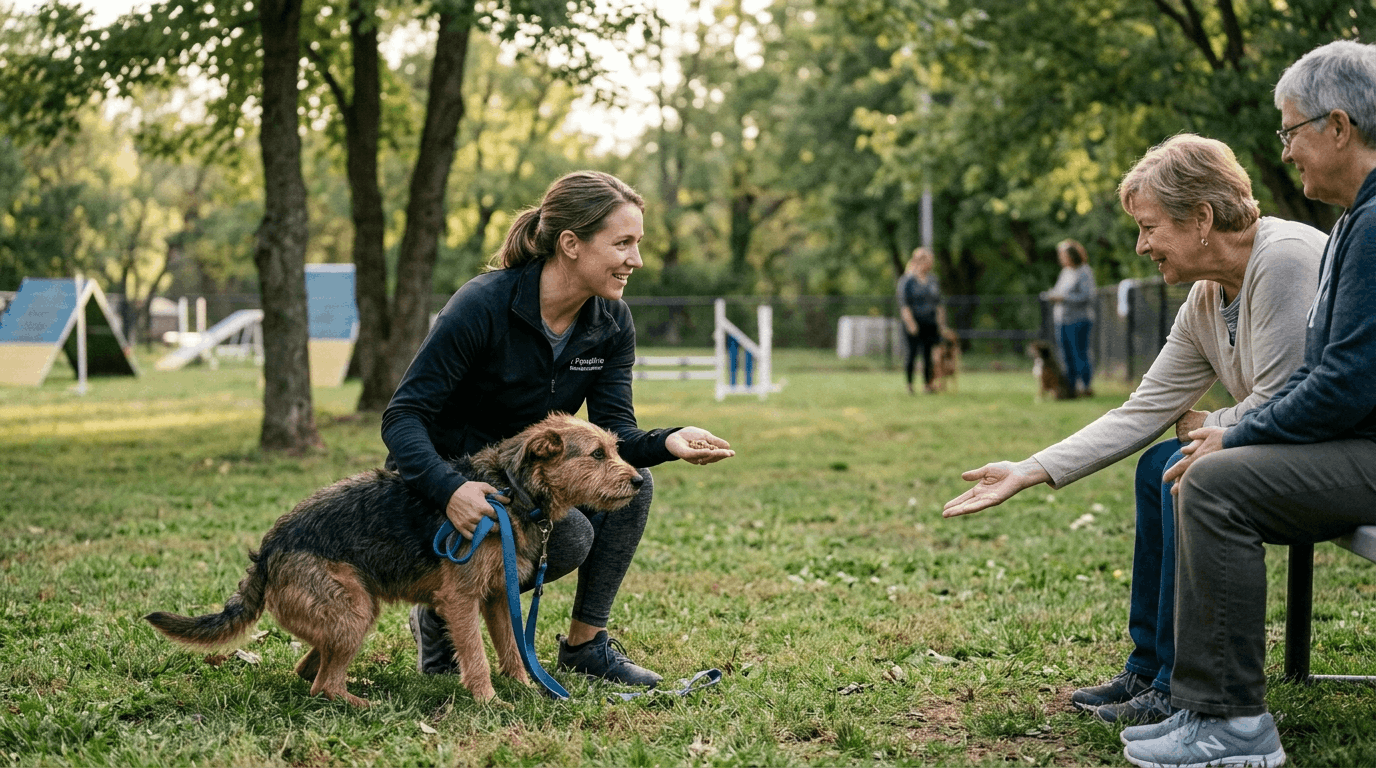
Learning how to socialize a fearful dog can feel overwhelming at first. Many nervous dogs react strongly to strangers, loud sounds, unfamiliar places, or sudden movement. However, proper socialization does not require force, punishment, or stressful exposure. In fact, calm and gradual experiences usually create the best long-term results.
Fearful dogs need patience and emotional safety before they can build confidence. Rushing the process often increases anxiety and damages trust. Instead, successful socialization focuses on helping dogs feel secure while introducing new experiences slowly and positively.
Every fearful dog improves at a different pace. Some dogs gain confidence quickly, while others need several months of steady support. Fortunately, most dogs can become calmer and more comfortable with consistent guidance and positive experiences.
Why Some Dogs Become Fearful
Fear develops for many different reasons.
Some dogs miss important socialization during puppyhood. Others experience trauma, neglect, harsh handling, or frightening situations early in life. Genetics may also influence confidence levels in certain breeds or individual dogs.
Additionally, major life changes sometimes increase anxiety. Moving homes, losing a companion animal, or experiencing unstable routines can make sensitive dogs feel insecure.
Understanding the cause helps owners respond more compassionately. Fearful behavior usually reflects anxiety rather than stubbornness or aggression.
Signs Your Dog Feels Overwhelmed
Fearful dogs communicate discomfort through body language.
Common signs include trembling, hiding, yawning, lip licking, pacing, tucked tails, pinned ears, whining, barking, or refusing food. Some dogs freeze completely when frightened, while others try to escape stressful situations quickly.
Recognizing early stress signals matters greatly when learning to socialize a fearful dog successfully.
Owners who notice subtle signs early can reduce pressure before fear escalates into panic or reactive behavior.
Trust Comes Before Socialization
Confidence grows from trust.
Fearful dogs need to feel emotionally safe with their owners before handling unfamiliar experiences. Daily routines, gentle communication, and predictable behavior help create stability.
Calm leadership matters more than dominance-based training methods. Dogs respond better when they feel supported rather than pressured.
Simple activities like hand feeding, quiet walks, relaxed playtime, and reward-based training strengthen trust naturally over time.
Avoid Flooding Fearful Dogs
Flooding occurs when dogs face overwhelming situations without escape options.
For example, forcing a fearful dog into crowded parks, busy stores, or chaotic gatherings may increase anxiety instead of reducing it. While some owners hope repeated exposure will help, intense stress often reinforces fear further.
Instead, gradual exposure works far better.
When owners socialize a fearful dog slowly, the dog learns new experiences feel safe rather than threatening.
Start With Controlled Environments
Calm environments support better learning.
Begin socialization in quiet locations where distractions remain manageable. Empty parks, quiet sidewalks, calm neighborhoods, or peaceful outdoor spaces usually work well.
Fearful dogs learn best when stress levels stay low enough for them to remain relaxed and curious.
As confidence improves, owners can slowly introduce slightly busier environments without overwhelming the dog emotionally.
Distance Helps Reduce Anxiety
Fearful dogs often feel safer from a distance.
Instead of forcing close interactions immediately, allow dogs to observe people, dogs, bicycles, or unfamiliar sounds from comfortable distances first.
For example, a nervous dog may watch strangers calmly from across a parking lot while receiving treats and praise. Over time, gradual exposure reduces fear naturally.
Distance gives fearful dogs time to process new experiences safely.
Use High-Value Rewards Consistently
Positive reinforcement builds confidence effectively.
Special treats like chicken, turkey, cheese, or freeze-dried meat help create positive emotional associations during socialization. Reward calm behavior generously whenever the dog notices something new without panicking.
Timing matters greatly.
Owners should reward calm observation immediately so the dog connects the positive experience with the trigger successfully.
Learning to socialize a fearful dog becomes easier when the dog begins associating new experiences with safety and rewards.
Let Dogs Move At Their Own Pace
Progress should never feel forced.
Some fearful dogs need several sessions before approaching unfamiliar people or environments comfortably. Others may simply observe quietly from a distance for weeks before gaining confidence.
That process remains completely normal.
Allowing dogs to choose engagement voluntarily helps reduce pressure while building trust naturally.
Keep Socialization Sessions Short
Long stressful sessions often create setbacks.
Fearful dogs become mentally exhausted quickly during new experiences. Short positive sessions usually produce better results than extended outings.
Ten calm minutes often helps more than an hour of overwhelming exposure.
Ending sessions before anxiety increases helps dogs retain positive emotional associations.
Body Language Influences Confidence
Dogs observe human emotions constantly.
Owners who appear tense, frustrated, or anxious may unintentionally increase a dog’s stress levels. Calm breathing, relaxed posture, and steady movement help fearful dogs feel safer during socialization.
Additionally, avoid tightening the leash excessively during stressful moments. Tension on the leash may signal danger to sensitive dogs.
Relaxed handling encourages calmer behavior overall.
Choose Calm Dogs For Introductions
Not every dog interaction helps fearful dogs.
Energetic, pushy, or poorly socialized dogs may overwhelm nervous animals quickly. Calm, gentle, socially balanced dogs usually provide much better experiences.
Controlled introductions in neutral environments work best.
Parallel walking often helps dogs feel comfortable before direct interaction occurs.
Teach Simple Confidence-Building Commands
Training strengthens communication and confidence simultaneously.
Basic commands like sit, touch, look, stay, and leave it help fearful dogs focus during stressful moments. Reward-based training also gives dogs predictable ways to succeed.
Small achievements build emotional resilience gradually.
Learning tasks successfully often helps nervous dogs feel more secure overall.
Create Predictable Daily Routines
Routine helps anxious dogs feel stable.
Consistent feeding times, walks, play sessions, training periods, and bedtime schedules reduce uncertainty significantly. Predictability lowers stress because dogs know what to expect each day.
Dogs living in calm structured environments usually improve faster during socialization training.
Avoid Punishment-Based Corrections
Punishment often increases fear.
Yelling, leash jerks, shock collars, or harsh corrections may worsen anxiety and damage trust further. Fearful dogs rarely improve through intimidation.
Instead, focus on redirection, management, positive reinforcement, and emotional safety.
When owners socialize a fearful dog using supportive methods, long-term confidence develops more naturally.
Mental Enrichment Reduces Anxiety
Bored dogs often become more reactive and anxious.
Puzzle feeders, scent games, chew toys, training exercises, and enrichment activities help fearful dogs release nervous energy positively. Mental stimulation also increases confidence by encouraging problem-solving and exploration.
Calm enrichment activities often improve emotional balance at home.
Home Environment Matters
The home should feel like a safe retreat.
Fearful dogs benefit from quiet resting spaces where they can relax without interruption. Crates, beds, covered corners, or gated rooms often help nervous dogs feel more secure.
Additionally, reducing chaotic noise and overstimulation supports emotional recovery between training sessions.
Practice Calm Greetings
Many fearful dogs struggle with direct human interaction.
Owners should avoid forcing greetings with strangers. Instead, allow dogs to approach people voluntarily if they feel comfortable.
Strangers should ignore the dog initially while tossing treats gently nearby. Direct eye contact, sudden reaching, or hovering may feel threatening to anxious dogs.
Respectful calm interactions help build positive experiences gradually.
Exercise Helps Regulate Emotions
Regular exercise supports emotional stability.
Walks, sniffing opportunities, structured play, and low-pressure physical activity help reduce stress hormones naturally. However, overstimulating exercise environments may overwhelm fearful dogs.
Choose activities that promote relaxation rather than chaos.
Balanced exercise improves both physical and emotional health.
Celebrate Small Wins
Progress often happens slowly.
Fearful dogs may show improvement through small changes like reduced trembling, calmer body posture, improved curiosity, or faster recovery after stressful moments.
Owners sometimes overlook these subtle victories. However, recognizing small improvements helps maintain realistic expectations and motivation.
Every calm experience contributes to long-term confidence.
Fear Periods Can Affect Puppies
Young dogs sometimes experience temporary fear stages during development.
Puppies may suddenly react nervously to objects, sounds, or situations that previously seemed harmless. Gentle reassurance and positive exposure help puppies navigate these phases safely.
Avoid forcing interaction during fear periods because negative experiences may create lasting anxiety later.
Socialization Never Truly Ends
Confident dogs still benefit from ongoing exposure.
Positive experiences throughout life help maintain emotional flexibility and resilience. Dogs that continue experiencing calm introductions to people, environments, sounds, and situations usually remain more adaptable overall.
Owners who consistently socialize a fearful dog gently often see long-term emotional improvement over time.
Professional Support May Help Severe Cases
Some fearful dogs require additional guidance.
Certified positive reinforcement trainers or veterinary behaviorists can create personalized plans for severe anxiety, reactivity, or trauma-related behavior. Professional support often accelerates progress safely while reducing stress for both dogs and owners.
Seeking help early may prevent worsening fear patterns later.
Patience Creates Lasting Confidence
Fear recovery takes time.
Many owners expect fast transformation, but emotional healing often develops gradually through repetition and trust-building. Consistency matters more than speed.
Dogs learn confidence when they repeatedly experience safety, predictability, and positive outcomes.
Learning to socialize a fearful dog successfully requires patience, compassion, and realistic expectations. Fearful dogs do not need forceful exposure or overwhelming experiences to improve. Instead, they thrive when owners provide calm guidance, emotional safety, predictable routines, and positive reinforcement consistently. Small successful experiences gradually build confidence while reducing stress over time. Although progress may feel slow at times, gentle socialization methods often create lasting emotional resilience and stronger trust between dogs and owners. With patience and supportive training, fearful dogs can become calmer, happier, and more comfortable in the world around them.
FAQ
1. How long does it take for nervous dogs to improve?
Every dog improves differently, but consistent training often shows progress within several weeks or months.
2. Should fearful dogs meet many strangers quickly?
No, gradual exposure usually works much better than overwhelming social situations.
3. Can older dogs still become more confident?
Yes, adult and senior dogs can still learn confidence through patient positive experiences.
4. What should I do if my dog freezes during walks?
Give the dog space, reduce pressure, and calmly encourage movement without forcing interaction.
5. Are treats important during confidence training?
Yes, rewards help fearful dogs create positive emotional associations with new experiences.