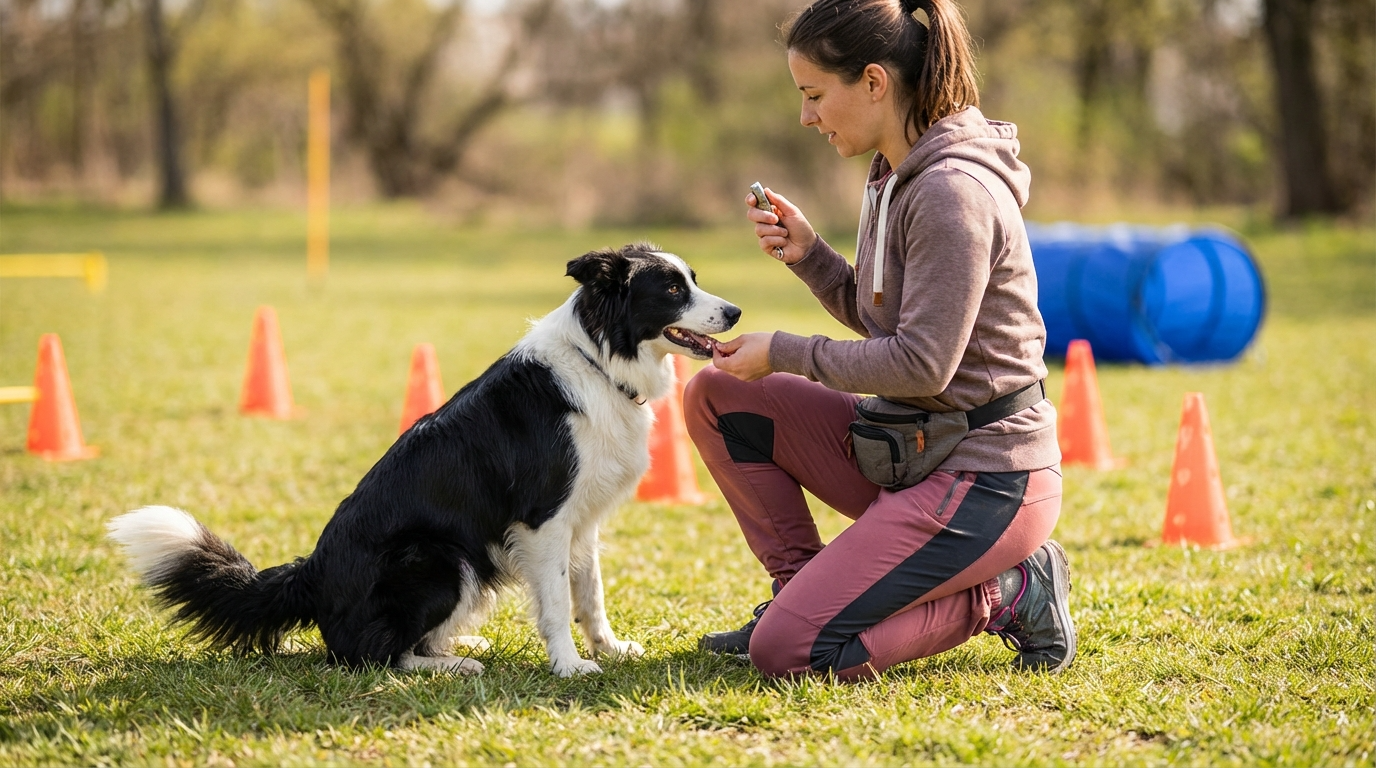
The best dog training methods focus on communication, consistency, and positive reinforcement. When you understand how dogs learn, training becomes smoother and more enjoyable. Instead of relying on punishment, modern approaches encourage cooperation and trust.
Experts agree that effective training builds a strong relationship between you and your dog. Therefore, success depends on patience, timing, and clear cues. Whether you are raising a puppy or guiding an older rescue, the best dog training methods create structure without fear.
In this guide, you will discover proven strategies supported by trainers, behaviorists, and veterinarians. Moreover, you will learn how to apply them in daily life for long-term results.
Why Science Supports Positive Reinforcement
Research consistently shows that reward-based training produces better outcomes than punishment-based systems. Dogs repeat behaviors that bring positive results. Consequently, reinforcing good behavior strengthens learning pathways.
Positive reinforcement involves rewarding desired actions with treats, praise, toys, or affection. For example, when your dog sits on command, you immediately offer a reward. As a result, the dog associates sitting with something pleasant.
Unlike harsh correction, positive methods reduce anxiety and aggression. Furthermore, they improve problem-solving skills. Because trust increases, communication becomes clearer.
Behavior experts consider reward-based systems among the best dog training methods for long-term obedience. When dogs feel safe, they learn faster and retain commands longer.
Clicker Training for Precise Communication
Clicker training uses a small device that makes a distinct sound. The sound marks the exact moment your dog performs the correct behavior. Immediately afterward, you provide a reward.
This technique works because timing matters. The click bridges the gap between action and reward. Therefore, your dog understands precisely which behavior earned reinforcement.
Initially, you condition the clicker by pairing the sound with treats. Soon, the dog recognizes the click as positive feedback. Then, you begin shaping behaviors step by step.
Professional trainers often include clicker work in the best dog training methods toolkit. It promotes clarity and encourages active learning. Additionally, it works well for teaching complex tricks and obedience cues.
Consistency and Clear Commands
Consistency builds reliability. If commands change daily, confusion follows. Therefore, use the same words and tone each time.
For example, if you say “down” today and “lie down” tomorrow, your dog may hesitate. Instead, choose one cue and stick with it.
Equally important, reward timing must stay consistent. Deliver praise immediately after the correct action. Delayed rewards weaken the connection.
Households should align on rules as well. If one family member allows jumping and another discourages it, mixed signals occur. Consequently, progress slows.
Experts emphasize structure as one of the best dog training methods principles. When expectations remain stable, dogs feel secure and respond confidently.
Short, Focused Training Sessions
Dogs learn best in brief sessions. Long drills lead to boredom and frustration. Therefore, keep sessions between five and fifteen minutes.
Short training periods maintain engagement. Additionally, they prevent mental fatigue. End each session on a positive note whenever possible.
Multiple mini-sessions throughout the day often work better than one long session. For example, practice sit and stay before meals or during walks.
Frequent repetition strengthens memory. Meanwhile, enthusiasm remains high. Because attention spans vary by age and breed, adapt session length accordingly.
Professional trainers consistently rank structured, short sessions among the best dog training methods for effective learning.
Socialization as a Foundational Tool
Early exposure shapes behavior. Puppies benefit greatly from controlled interactions with people, animals, and environments.
Proper socialization reduces fear and reactivity later in life. However, exposure should remain positive and gradual. Overwhelming experiences can create anxiety.
Introduce new sights, sounds, and surfaces carefully. Reward calm behavior during these introductions. Consequently, your dog builds confidence.
Even adult dogs can improve social skills with patience. Structured classes and supervised play sessions help reinforce good manners.
Behaviorists consider socialization a core component of the best dog training methods. A well-socialized dog adapts better to daily life challenges.
Lure and Reward Technique
The lure and reward technique uses a treat to guide your dog into a position. For instance, move a treat above your dog’s nose to encourage a sit.
Once the behavior occurs, reward immediately. After repetition, remove the lure while keeping the reward.
This method simplifies early training stages. It gives dogs a clear visual cue. As understanding grows, you fade out the lure.
Although simple, this strategy supports foundational obedience. Therefore, trainers often integrate it into the best dog training methods framework.
When used properly, it speeds up early learning while keeping motivation high.
Addressing Unwanted Behavior Effectively
Correcting behavior does not require punishment. Instead, redirect attention and reinforce alternatives.
If your dog chews furniture, offer an appropriate toy. Then, praise when the dog chooses it. Over time, correct choices replace destructive ones.
Ignoring attention-seeking misbehavior can also help. For example, avoid eye contact during jumping. Reward calm greetings instead.
Clear boundaries matter. However, discipline should remain calm and controlled. Harsh reactions often create fear or aggression.
Experts consistently rank balanced redirection strategies among the best dog training methods for behavior correction.
Crate Training Done Properly
Crate training supports housebreaking and safety. When introduced positively, dogs view the crate as a secure space.
Begin by placing treats inside. Allow your dog to explore freely. Never force entry.
Gradually increase time inside while staying nearby. Offer praise and calm reassurance. Over time, comfort grows.
Crates should never serve as punishment. Instead, they function as rest zones and management tools.
Veterinarians and trainers include humane crate practices within the best dog training methods for puppies and adult dogs alike.
Leash Training and Loose-Leash Walking
Pulling on the leash remains one of the most common challenges. Fortunately, positive techniques can solve it.
Stop walking when pulling begins. Resume only when the leash slackens. Consequently, your dog learns that tension halts progress.
Reward walking beside you. Keep sessions calm and consistent. Additionally, choose properly fitted harnesses when needed.
Avoid jerking the leash aggressively. Instead, reinforce calm positioning.
Loose-leash training appears frequently in lists of the best dog training methods because it improves daily life quality.
Mental Stimulation and Enrichment
Training extends beyond commands. Mental enrichment prevents boredom and destructive behavior.
Puzzle toys, scent games, and interactive feeders stimulate the brain. Therefore, dogs stay engaged and content.
Rotate toys to maintain novelty. Incorporate short trick sessions to challenge thinking skills.
Working breeds especially benefit from structured tasks. However, all dogs enjoy mental stimulation.
Behavior experts recognize enrichment activities as essential elements of the best dog training methods for balanced development.
Building a Strong Recall
Recall can save lives. Therefore, prioritize it early.
Begin in a quiet environment. Call your dog enthusiastically. Reward generously upon return.
Never punish a dog for coming slowly. Doing so discourages future response.
Gradually increase distractions. Practice in fenced areas before moving to open spaces.
Reliable recall stands as one of the best dog training methods outcomes because it ensures safety and control.
The Role of Professional Trainers
Some situations require expert guidance. Aggression, extreme fear, or complex behavioral issues benefit from professional evaluation.
Certified trainers and behaviorists use science-based approaches. Additionally, they tailor plans to individual dogs.
Group classes provide social exposure. Private sessions address specific challenges.
Seeking help early prevents problems from escalating. Therefore, professional support strengthens overall progress.
Many experts refine and adapt the best dog training methods to suit each unique dog and household.
Avoiding Outdated Training Practices
Dominance-based training once dominated the field. However, research now challenges those methods.
Alpha rolls and physical corrections often increase stress. Instead, modern trainers prioritize cooperation and trust.
Because dogs learn through association, fear-based tactics damage relationships. Consequently, positive strategies prove more sustainable.
Choosing humane approaches protects emotional well-being. It also aligns with veterinary recommendations.
For these reasons, progressive trainers classify reward-based systems as the best dog training methods available today.
Creating a Structured Routine
Dogs thrive on predictability. Feeding, walking, and training schedules provide stability.
Morning routines set expectations for the day. Evening rituals promote calm transitions.
Clear boundaries reduce confusion. Therefore, maintain consistent sleeping and play times.
Structure enhances every other technique discussed here. Without routine, progress becomes inconsistent.
Reliable daily habits support the best dog training methods and create long-lasting behavioral improvements.
Conclusion: Building Lifelong Success Through Proven Techniques
Effective training requires patience, clarity, and compassion. Fortunately, science now supports humane, positive approaches that strengthen trust.
From clicker work to structured routines, each strategy plays a role. Together, they create balance and reliability.
Because dogs respond to consistency and encouragement, progress accelerates when reinforcement remains positive. Harsh methods may produce short-term results, but lasting obedience develops through cooperation.
Ultimately, the best dog training methods build confidence in both owner and dog. With dedication and expert-backed guidance, you can shape behavior while nurturing a healthy bond that lasts a lifetime.
FAQ
- What training approach works best for puppies?
Reward-based systems combined with early socialization help puppies learn quickly while building trust and confidence. - How long does it take to see progress?
Most dogs show improvement within a few weeks when training remains consistent and structured. - Are treats necessary for effective obedience?
Treats help during early stages. Later, praise and toys can replace food rewards. - Should I hire a professional trainer?
If behavior issues feel overwhelming, certified trainers provide tailored guidance and structured plans. - Can older dogs still learn new skills?
Yes. Adult dogs learn successfully when techniques remain patient, clear, and positively reinforced.