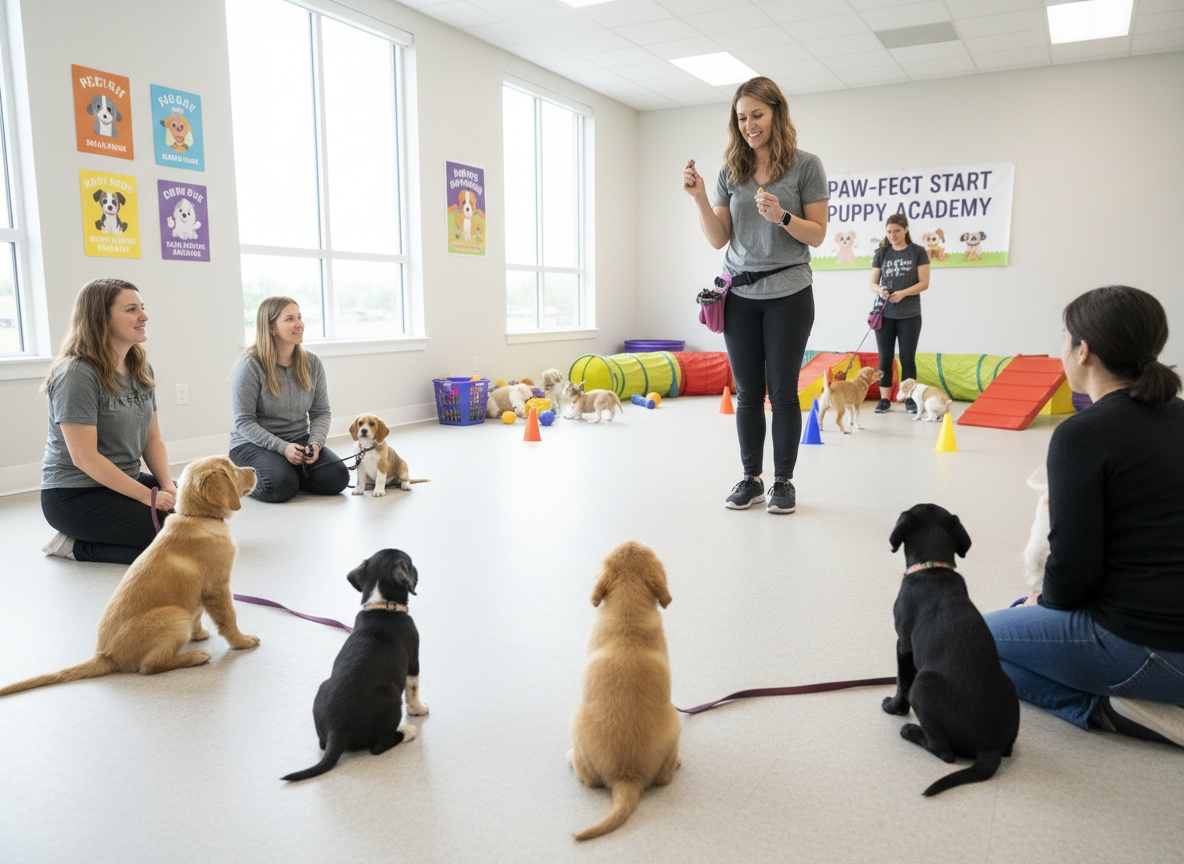
Finding the best puppy obedience classes near you can feel overwhelming, especially when every trainer promises great results. Yet choosing the right class matters more than most new dog owners realize. The early months of your puppy’s life shape nearly every habit they’ll carry into adulthood. When you make a smart choice now, you set your dog up for calm walks, easier grooming, stress-free vet visits, and confident social behavior.
If you’re standing at the start of your puppy training journey, you’re not alone. Every owner feels the pressure of doing it right. After all, puppies don’t come with manuals. However, the good news is that the right obedience program gives you structure, guidance, and expert-led support. It also helps you avoid common mistakes that can lead to stubborn habits later. So, let’s walk through exactly how to find the best local puppy training options and understand what makes them effective.
Why Puppy Obedience Classes Matter Early
Great behavior doesn’t appear by accident. Puppies learn fast, and their ability to absorb new habits peaks between eight and sixteen weeks. This period shapes everything from how they greet strangers to whether they listen when distractions pop up. Classes give your puppy healthy structure, teach boundaries, and offer positive social exposure.
When you choose the best puppy obedience classes, you’re also supporting your confidence as an owner. Classes teach you how to give commands clearly. They show you how to reward behavior effectively. And they help you understand what’s normal, what’s fixable, and what simply requires patience.
A good class also prevents many behavioral issues. Without structured guidance, puppies often develop bad habits like jumping, chewing, pulling on the leash, and barking excessively. These behaviors are easier to prevent than fix, which is another reason the right program matters early.
Qualities of the Best Puppy Obedience Classes
You might be asking: how do I know which program is worth my time? Although every training center has its own style, the best puppy obedience classes share several key qualities. When you see these markers, it’s a strong sign that your puppy will learn effectively and safely.
Certified Instructors
Look for trainers with recognized certifications. These credentials signal that the instructor has studied animal behavior, positive reinforcement methods, and humane training practices. Although experience matters, education helps ensure consistency.
Positive Reinforcement Methods
Good classes reward desired behavior instead of punishing mistakes. Treats, praise, and toys help puppies learn faster and enjoy the process. Harsh methods aren’t just outdated—they can damage trust.
Small Class Sizes
Smaller groups mean more individual attention. Trainers can catch small issues before they become big problems. Your puppy also feels less overwhelmed, especially if they’re shy.
Safe, Clean Facilities
A well-maintained training center shows professionalism and care. Look for non-slip floors, fenced training areas, and sanitized equipment. Safety should always come first.
Structured Lesson Plan
The best programs follow a clear progression. You’ll usually start with basics like sit, down, and stay. As your puppy grows more confident, instructors introduce loose-leash walking, impulse control, and polite greeting behaviors.
A well-designed curriculum creates visible progress quickly. You’ll feel more confident each week as your puppy masters new skills.
How to Find the Best Puppy Obedience Classes Near You
Now that you know what makes a great program, let’s focus on finding options nearby. Because training is hands-on, local access matters. You want a class close enough that weekly attendance is easy.
Search Local Directories
Start with community listings for dog trainers, vet clinics, or pet supply shops. These often feature trusted professionals who have worked with local families for years.
Check Reviews and Testimonials
Real owner experiences reveal a lot. Look for patterns in reviews—especially comments about the instructor’s patience, clear teaching style, and the success of their training methods.
Ask Your Veterinarian
Most vets know reputable trainers in the area. They can point you toward programs that prioritize health, safety, and behavioral wellness.
Visit a Class Before Enrolling
Many training centers allow drop-in observations. Watching a session in action shows you how trainers communicate and manage different puppy personalities.
When you take time to research, you increase your chances of finding the best puppy obedience classes that match your needs. You’ll feel more confident knowing you’ve chosen a program with proven results.
What Puppies Learn in Obedience Classes
You may be curious about what your puppy will actually learn. Obedience classes cover more than basic commands. They build life skills your dog will use every day.
Basic Commands
Your puppy will practice cues like sit, stay, down, and come. These form the foundation of polite behavior.
Loose-Leash Walking
Walking calmly beside you is one of the most valuable long-term skills. Early training makes daily walks more enjoyable.
Socialization Skills
Your dog learns how to greet people and other dogs politely. They also get exposed to new sounds, objects, and environments.
Impulse Control
Puppies learn to wait, leave items alone, and resist jumping. This helps your dog stay calm around distractions.
Handling and Grooming Tolerance
Training centers often introduce gentle handling so puppies can accept brushing, nail trimming, and vet exams more comfortably.
Although every dog progresses at their own pace, good classes create steady improvement. With practice, your puppy develops strong habits that carry into adulthood.
Benefits of Choosing a Local Training Program
Choosing a class near your home adds convenience and consistency. You’re more likely to stick with weekly sessions when the location is nearby. Your puppy also benefits from a familiar routine. Another advantage is community connection. Local trainers often understand common challenges dog owners face in your area.
When you build relationships with trainers and fellow owners, you gain ongoing support. You can ask questions, share wins, and troubleshoot setbacks. Training becomes a shared journey instead of a solo mission.
Local programs also offer follow-up classes for advanced skills. Once your puppy masters the basics, you may want to explore agility, therapy dog training, or advanced obedience. A strong foundation makes these paths easier.
Common Mistakes to Avoid When Choosing a Class
As you search for the best puppy obedience classes near you, watch out for these red flags:
Overly Large Class Sizes
Too many dogs in one room make it hard for trainers to provide guidance.
Harsh Training Tools
Avoid programs that rely on choke chains, prong collars, or shock collars for puppies.
No Clear Plan
If instructors don’t outline what they teach, you may not see consistent progress.
Lack of Transparency
Good trainers answer your questions openly and explain techniques clearly.
Avoiding these pitfalls ensures you select a program that aligns with science-based training methods and your puppy’s well-being.
How to Prepare for Your First Class
Showing up prepared makes the experience smoother. Bring small, soft treats your puppy loves. These help reinforce new skills quickly. Bring a standard six-foot leash, not a retractable one. These offer better control and keep your puppy focused.
Make sure your puppy has used the bathroom before class starts. A short walk helps burn off extra energy. If your dog is shy, arrive a few minutes early so they can settle before other puppies arrive.
Remember, the goal isn’t perfection. Puppies get distracted. They make mistakes. Their attention spans are short. What matters is consistency. With time, patience, and practice, your puppy improves steadily. Each small step adds to their confidence.
How Long It Takes to See Results
Most owners see noticeable changes within the first few sessions. Puppies pick up basic commands quickly. What takes time is reliability—responding in busy environments, around other dogs, or when excited.
With practice at home, results come faster. Training isn’t only about attending class. It’s about repeating skills during walks, meals, and daily routines. When you reinforce what your puppy learns, you build habits that last.
The best puppy obedience classes help you balance structured sessions with real-life situations. You’ll soon notice your puppy listening better, calming down faster, and responding more consistently.
Conclusion
Choosing the best puppy obedience classes near you is one of the most important steps you can take as a new dog owner. When you choose a program that uses certified trainers, positive reinforcement, and structured lessons, you build a foundation that lasts a lifetime. You’ll strengthen the bond with your puppy, reduce future behavioral problems, and enjoy a smoother training journey from day one. With the right class, your puppy grows into a confident, well-mannered companion who brings joy to every moment.
FAQ
1. What age is best to start puppy obedience classes?
Most puppies can start obedience classes at eight to ten weeks, as long as they’ve had initial vaccinations.
2. How long do puppy obedience classes usually last?
Most programs run six to eight weeks, with one session per week.
3. Can older puppies join beginner classes?
Yes. Many training centers welcome older puppies or offer specific beginner courses for adolescent dogs.
4. What should I bring to my first class?
Bring treats, a six-foot leash, poop bags, and your puppy’s vaccination records.
5. Are private training sessions better than group classes?
Private sessions help with specific behavior issues, while group classes support socialization. Many owners use both.