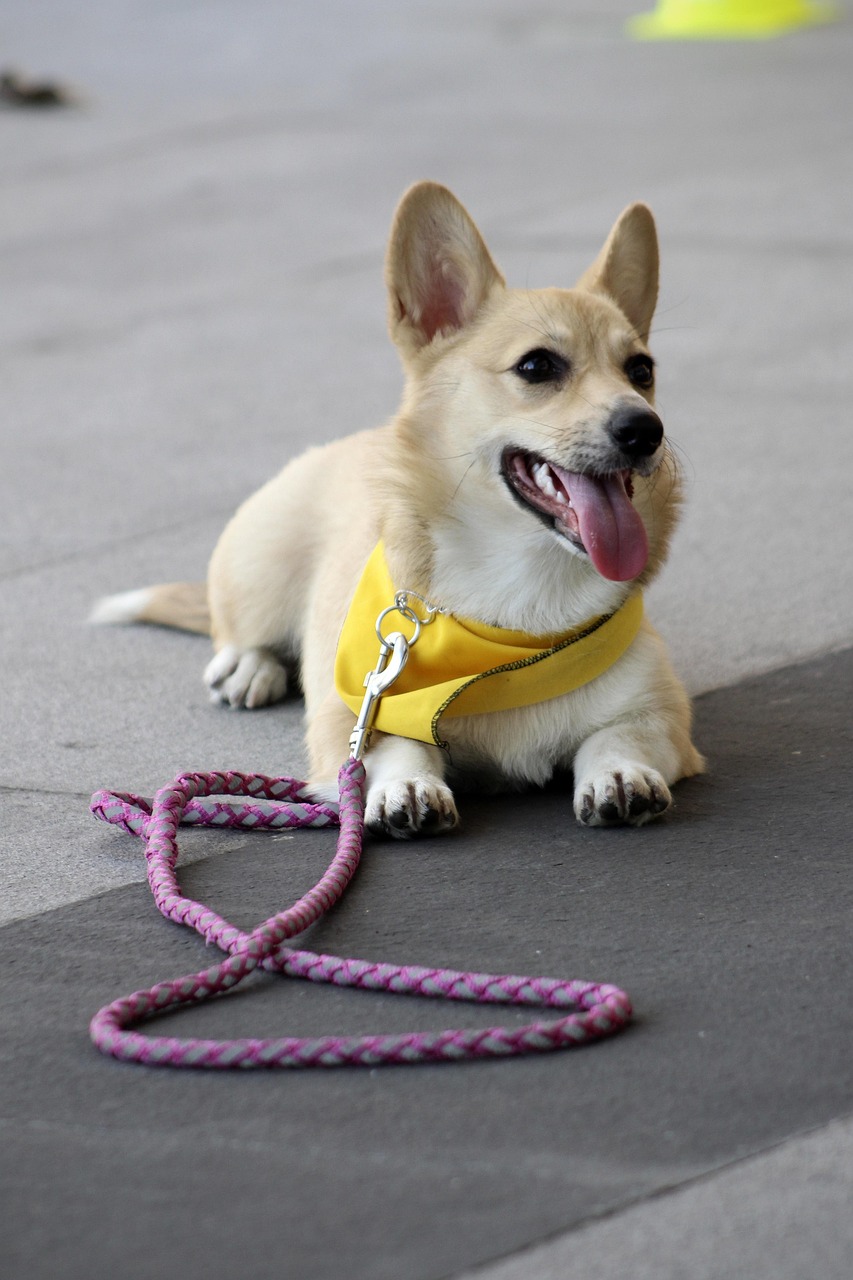
Understanding Common Dog Training Errors
Dog training is crucial for a harmonious relationship between you and your pet, but many dog owners inadvertently make mistakes that can hinder this training process. Whether you are a seasoned pet owner or a first-time dog parent, understanding these common dog training errors can help ensure you are providing the best guidance for your furry friend. In this comprehensive guide, we’ll explore prevalent training mistakes, how to avoid them, and tips for fostering an obedient and happy dog.
1. Inconsistency in Training
One of the most significant barriers to effective dog training is inconsistency. This can include varying commands, not sticking to a training schedule, or allowing different behaviors in similar situations. Dogs thrive on consistency, and without it, they can become confused about what is expected.
Tip: Establish a clear set of rules and stick to them. Use the same commands and reward system consistently, and ensure all family members do the same.
2. Negative Reinforcement
Many dog owners resort to negative reinforcement techniques such as yelling, physical punishments, or using shock collars. These methods can instill fear, provoke aggressive behaviors, and damage the trust between you and your dog.
Tip: Focus on positive reinforcement techniques such as treats, praise, and playtime to reward good behavior. This approach not only makes training more enjoyable but also promotes a bond of trust and mutual respect.
3. Lack of Patience
Training a dog requires a lot of patience. Expecting immediate results or getting frustrated with slow progress is a common error that can demotivate your dog.
Tip: Understand that each dog learns at their own pace. Celebrate small victories and remain patient and persistent with the training sessions.
4. Overloading with Commands
New pet owners often try to teach several commands in one session, which can overwhelm and confuse the dog. This can lead to a lack of mastery in any single command.
Tip: Focus on one command at a time until your dog can perform it with reliability under various conditions. Only then should you gradually introduce new commands.
5. Inadequate Socialization
A common oversight in dog training is neglecting the socialization aspect. Dogs that aren’t properly socialized may exhibit fear, anxiety, or aggression towards other animals or humans.
Tip: Introduce your dog to various environments, people, and other animals as early as possible. Controlled socialization sessions can help build their confidence and prevent behavioral issues.
6. Ignoring Breed-Specific Traits
Each dog breed has unique characteristics and innate tendencies. Ignoring these can lead to ineffective training strategies and frustrated owners.
Tip: Research your dog’s breed-specific traits and consider them in your training methods. For instance, herding breeds might respond better to activities that mimic their natural instincts.
7. Skipping Professional Help When Needed
While many dog owners may successfully train their pets, some situations require professional guidance. This is especially true for dogs showing signs of severe anxiety or aggression.
Tip: If you encounter training challenges that are beyond your expertise, consider enlisting the help of a professional dog trainer. This investment can prevent future problems and ensure a well-behaved pet.
8. Overreliance on Treats
While treats are an effective training aid, relying too much on them can lead to a dog performing commands only when a treat is visible.
Tip: Use treats strategically. Gradually reduce the frequency of treats and replace them with other forms of rewards like verbal praise or physical affection to ensure obedience is not solely treat-driven.
Conclusion
Avoiding these common dog training errors requires patience, consistency, and an understanding of your dog’s needs and behaviors. By fostering a positive and patient training environment, you can enhance your relationship with your dog and enjoy a mutually respectful and loving relationship. Remember, it’s never too late to correct course and improve your training techniques.
Ready to train your dog effectively? Start by revisiting these tips, and you’ll be on your way to a better-trained dog in no time!