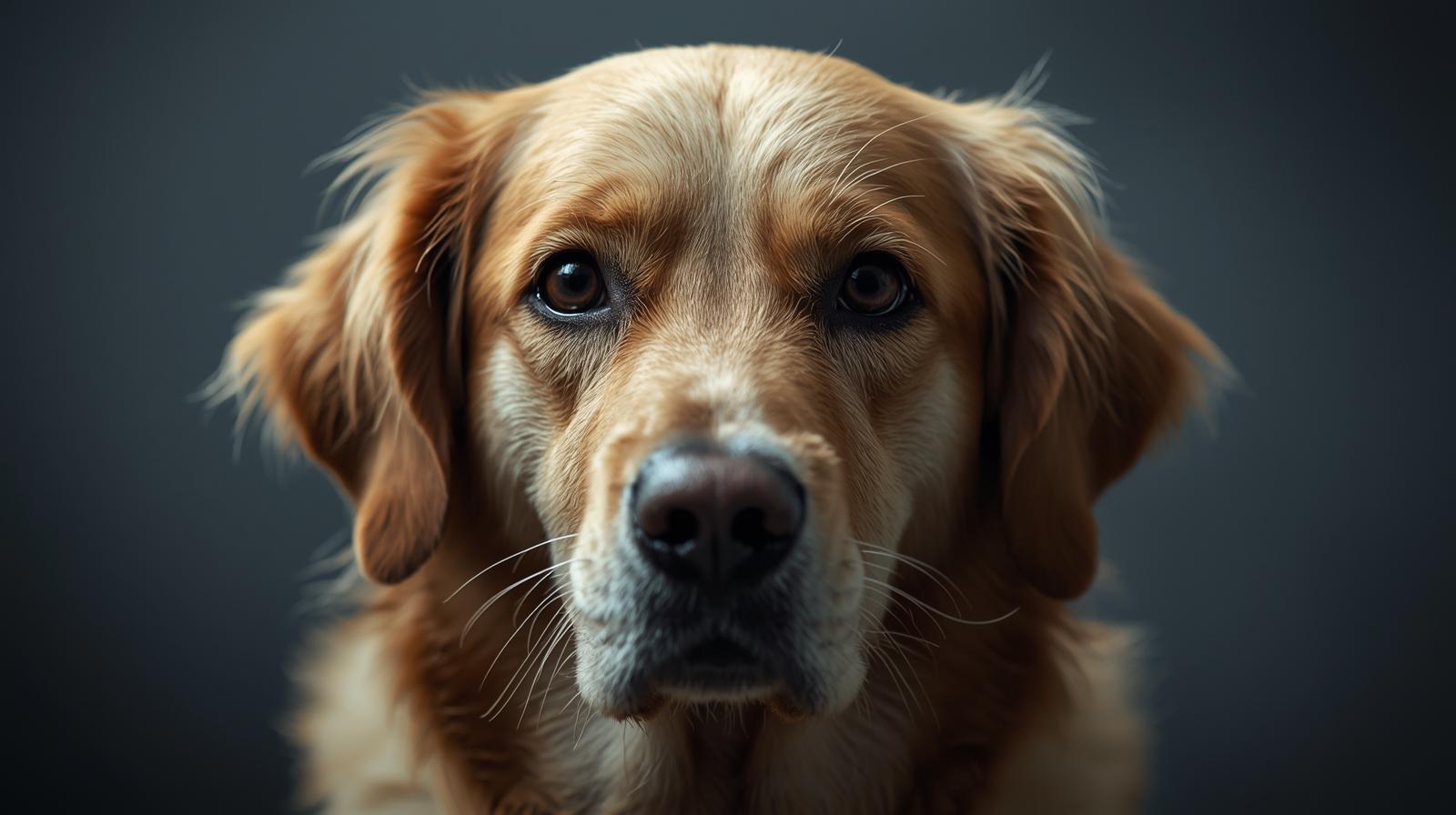
When your dog gets anxious the moment you pick up your keys or head for the door, you’re witnessing a classic case of separation anxiety. It’s heartbreaking — and exhausting. But the good news is that there are several effective solutions for dog separation anxiety that can restore peace to both you and your furry companion.
Let’s explore why this happens, what signs to watch for, and, most importantly, how to help your dog feel safe and relaxed when you’re away.
Understanding Dog Separation Anxiety
Before trying to fix the problem, it’s crucial to understand it. Separation anxiety is not just about barking or chewing. It’s an emotional distress triggered when your dog feels unsafe being alone.
Dogs are pack animals. They thrive on companionship and routine. When left alone suddenly or for long periods, they can panic — leading to destructive behavior, whining, pacing, or even accidents in the house.
The root cause can stem from:
- Sudden changes in schedule
- Moving to a new home
- Loss of a family member or another pet
- Lack of gradual alone-time training
Recognizing these triggers is the first step toward finding effective solutions for dog separation anxiety.
Recognizing the Signs of Separation Anxiety
Every dog shows anxiety differently, but there are common warning signs you can spot early.
Behavioral signs include:
- Excessive barking or howling after you leave
- Chewing furniture, shoes, or doors
- Digging or scratching near exits
- Pacing or panting even in cool environments
- Escaping attempts when confined
Physical signs include:
- Drooling excessively
- Trembling or restlessness
- Refusing to eat when alone
If your dog only displays these behaviors when you’re away, separation anxiety is likely the cause. Addressing these symptoms with calm and consistent strategies is essential.
Creating a Calm Environment for Your Dog
Your home can either amplify or reduce your dog’s anxiety. Creating a peaceful environment sets the foundation for recovery.
Start by giving your dog a designated safe zone. It might be a quiet room or a cozy crate lined with blankets and familiar toys. Use soothing scents like lavender or chamomile diffusers, as they can have a calming effect.
Keep background sounds such as soft music or a TV playing at low volume. These familiar noises can mask external triggers and make your dog feel less alone.
Make sure to leave something that smells like you — a worn T-shirt, for example. Your scent provides reassurance even when you’re not home.
Gradual Desensitization Training
Training is one of the most effective solutions for dog separation anxiety. Desensitization involves teaching your dog that your departures aren’t a big deal.
Start small. Pick up your keys or put on your shoes without leaving. Once your dog stops reacting, try stepping outside for a few minutes and returning calmly. Gradually increase the duration.
Consistency is key. Avoid dramatic goodbyes or enthusiastic greetings. Keep departures and arrivals low-key. This helps your dog understand that being alone is normal, not scary.
Reward calm behavior with treats or gentle praise when you return. Over time, this teaches your dog that your absence is temporary and nothing to fear.
Exercise and Mental Stimulation
A tired dog is a calm dog. Regular physical and mental exercise is vital in reducing anxiety.
Take your dog for daily walks or play a game of fetch before leaving the house. Physical activity helps release built-up energy that might otherwise fuel anxious behavior.
Don’t forget mental exercise. Puzzle feeders, snuffle mats, and treat-dispensing toys keep your dog’s brain occupied. When dogs are mentally stimulated, they’re less likely to fixate on your absence.
You can also rotate toys weekly to keep things exciting and challenging.
Using Calming Aids and Natural Remedies
When training and environment adjustments aren’t enough, calming aids can provide additional support. These are gentle tools designed to reduce stress without medication.
Some popular options include:
- Calming collars infused with pheromones
- Anxiety wraps that apply gentle pressure (like the ThunderShirt)
- CBD oil or treats made specifically for dogs (consult your vet first)
- Herbal supplements containing valerian root or chamomile
These aids don’t replace training, but they can make the process smoother and help your dog feel more relaxed.
When to Seek Professional Help
Sometimes, separation anxiety is too severe to handle alone. If your dog destroys property, hurts themselves, or experiences extreme panic, it’s time to call in professional help.
Certified dog behaviorists or trainers can create a customized plan based on your dog’s unique triggers. They may combine desensitization, positive reinforcement, and counter-conditioning techniques for faster progress.
In extreme cases, your veterinarian might suggest short-term anxiety medication to support training efforts. Always discuss potential side effects and long-term solutions before starting any medication.
Professional guidance can make the difference between ongoing stress and lasting calm.
Building Long-Term Confidence and Trust
The ultimate goal is not just to stop anxiety—it’s to build your dog’s confidence. Dogs who feel secure in their environment and routine are less likely to relapse.
Here are a few lasting habits to maintain:
- Stick to a consistent schedule for meals and walks
- Continue alone-time practice even after symptoms improve
- Introduce new experiences gradually to avoid overwhelming your dog
- Praise calm independence whenever it happens naturally
Your patience and reassurance are your dog’s best therapy. When trust is rebuilt, separation anxiety fades — and peace returns to your home.
Conclusion
Dealing with a dog’s separation anxiety can test your patience, but with the right approach, it’s entirely manageable. By understanding the root cause, applying consistent desensitization training, and creating a calm environment, you can dramatically reduce your dog’s stress levels.
The most effective solutions for dog separation anxiety combine empathy, structure, and time. Remember, every small success — from shorter barking spells to calm departures — is a sign of healing. Stay patient, stay positive, and soon your dog will find comfort even when you’re not around.
FAQ
1. How long does it take to fix dog separation anxiety?
It depends on the dog and severity. Mild cases may improve within weeks, while severe anxiety can take several months of consistent training and desensitization.
2. Can I leave my dog alone if it has separation anxiety?
Yes, but start with short periods and gradually extend them. Never force long separations too soon, as it can worsen anxiety.
3. Are certain breeds more prone to separation anxiety?
Yes. Breeds like Labrador Retrievers, Border Collies, and German Shepherds are more likely to experience separation-related stress due to their strong attachment and intelligence.
4. Should I get another dog to help with my dog’s separation anxiety?
Not necessarily. Another dog might not solve the issue and could even add stress. Focus on training and emotional conditioning first.
5. What should I avoid when dealing with dog separation anxiety?
Avoid punishment, yelling, or forcing solitude. These actions increase fear and damage trust. Use calm reinforcement and structured training instead.