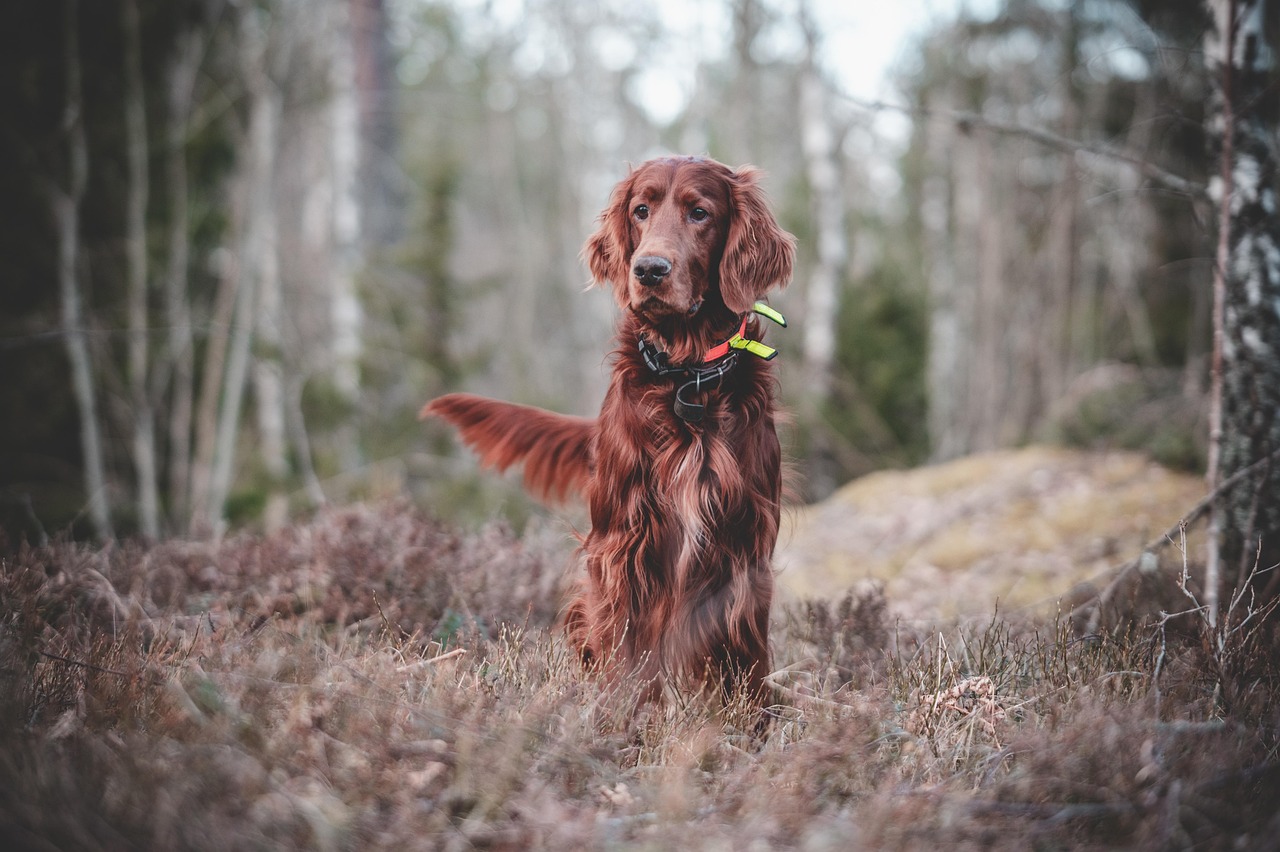
Mastering Leash Training: Expert Tips for Handling Your Stubborn Dog
Many pet owners experience the challenge of leash training a stubborn dog. This can lead to frustration and setbacks in building a trusting relationship with your pet. However, with the right techniques and persistence, you can teach your dog to walk obediently by your side. In this comprehensive guide, we’ll delve into expert tips and strategies for successful leash training, ensuring a harmonious and enjoyable walking experience for both you and your furry friend.
Understanding the Basics of Leash Training
Before diving into the specifics, it’s crucial to understand the basic principles of leash training. The goal is not just to prevent your dog from pulling on the leash, but to foster a sense of cooperation and mutual respect.
- Consistency is Key: Routine is essential for training. Establish regular walk times and consistent commands to help your dog understand expectations.
- Positive Reinforcement: Utilize treats, praise, and play as rewards for desired behaviors. This encourages your dog to repeat those behaviors.
- Right Equipment: Choose a sturdy leash and comfortable collar or harness suitable for your dog’s size and breed.
Choosing the Proper Gear
The right gear can make a significant difference in the effectiveness of leash training. A traditional collar might work for some dogs, but a front-clip harness or a head halter may be more effective for those that tend to pull. Each tool has its advantages:
- Collar: Good for dogs that don’t pull heavily, allowing for easy direction and control.
- Front-clip Harness: Helps discourage pulling by redirecting your dog’s attention back towards you when they begin to pull.
- Head Halter: Provides gentle control over your dog’s head, guiding them in the direction you want without strain.
Training Techniques for Stubborn Dogs
Stubborn dogs require patience and firm, consistent guidance. Here are some effective techniques to improve leash behavior:
- Short and Frequent Sessions: Keep training sessions short and sweet to maintain your dog’s attention and prevent frustration.
- Direction Changes: When your dog pulls, change direction. This teaches them that pulling won’t get them where they want to go.
- The ‘Stop’ Game: Every time your dog pulls, stop in your tracks. Resume walking only when the leash is slack.
It is also helpful to enroll in obedience classes where professional trainers can offer personalized advice and strategies tailored to your dog’s personality and challenges.
Dealing with Specific Challenges
Dogs pull on a leash for various reasons, such as excitement, anxiety, or simply because they want to explore. Identifying the root cause of your dog’s behavior is crucial to modifying it effectively:
- Excitement: For overly excited dogs, calming exercises before the walk can greatly reduce pulling.
- Anxiety or Fear: For dogs anxious or fearful about their environment, gradual exposure combined with positive reinforcement can build comfort and confidence.
- Desire to Explore: Allow your dog controlled freedom to explore under supervision. This can satisfy their curiosity without compromising on discipline.
Common Questions about Leash Training a Stubborn Dog
How long does it take to leash train a stubborn dog?
Training duration can vary widely based on the dog’s age, temperament, and previous experiences. Consistency and patience are your best tools. For many dogs, noticeable improvement can be seen within a few weeks of consistent practice.
What if positive reinforcement doesn’t work?
If conventional rewards like treats and praise aren’t making an impact, you may need to find what truly motivates your dog. Some dogs might respond better to toys or physical affection.
How can I make my dog less reliant on treats?
Gradually reduce the number of treats you provide during walks as your dog begins responding more reliably. Continue to praise their good behavior verbally and through physical attention to reinforce positive actions without constant treats.
Conclusion: Creating Lasting Habits
Mastering leash training with a stubborn dog is a journey of patience, consistency, and understanding. By employing the right techniques and gear, understanding your dog’s behaviors, and addressing their specific challenges, you can develop enjoyable and stress-free walks. Remember, every small step towards better leash manners is a victory in itself. So celebrate these milestones and continue to build on them for a rewarding and enriching walking experience with your dog.
With these tips and tricks, you’re well on your way to mastering the art of leash training and enjoying harmonious outings with your stubborn yet adorable pet!