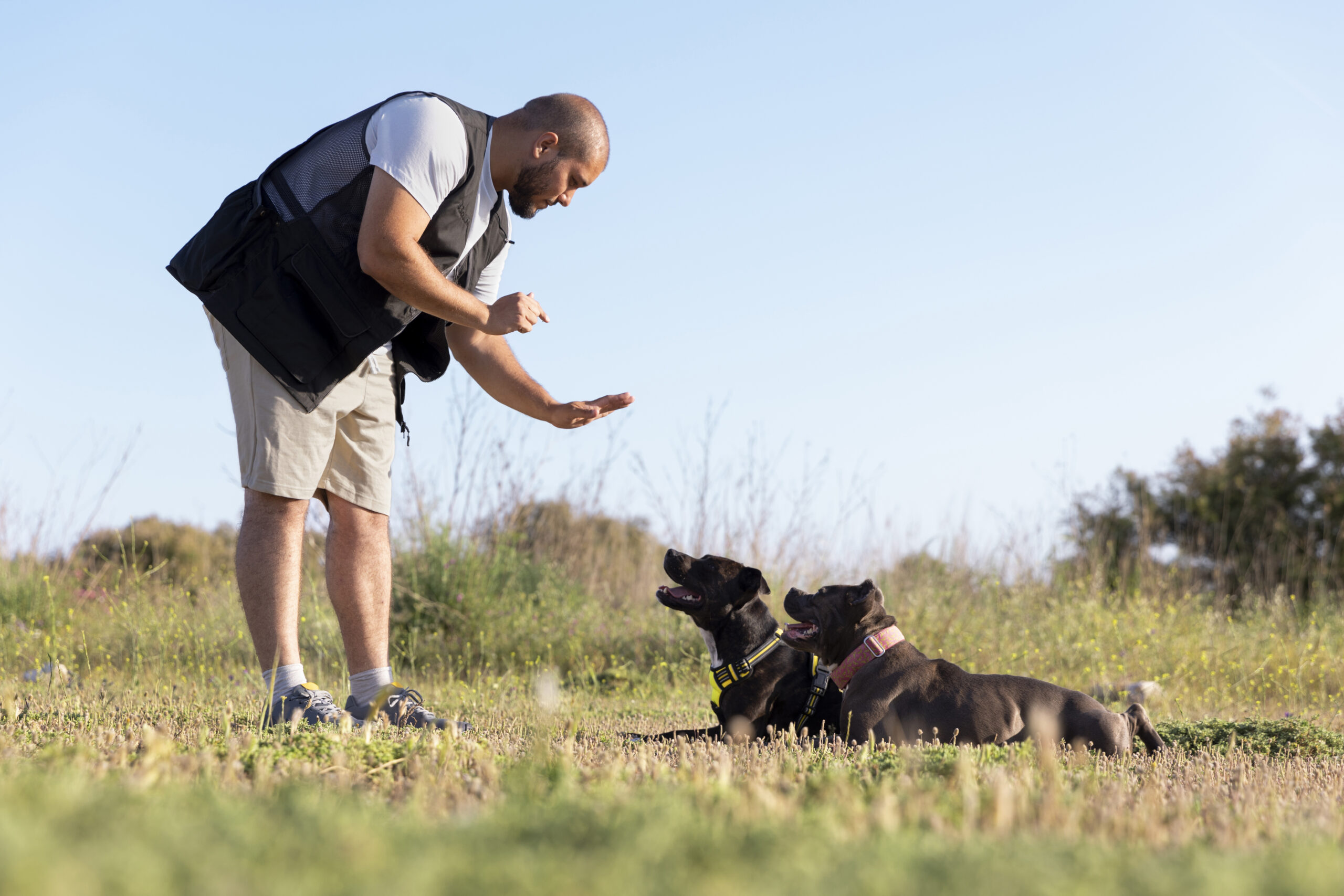
Finding professional dog training services near you can completely change the way you experience life with your furry companion. Whether you’re dealing with excessive barking, leash pulling, or a new puppy who’s still learning the rules, expert trainers can make a world of difference. But how do you find a reliable dog trainer who understands your dog’s needs—and yours? Let’s explore how to identify the right professional help that can bring out the best in your four-legged friend.
Why Professional Dog Training Matters
Every dog has a unique personality, and with that comes a distinct set of behaviors. Some are quick learners, while others might need a little extra patience. A professional dog trainer not only teaches obedience but also strengthens communication between you and your pet.
Think of it like learning a new language together—you both have to understand each other’s signals. Training isn’t just about commands; it’s about trust. A professional helps bridge that gap, ensuring your dog feels safe, confident, and eager to please.
Professional trainers can also prevent future behavior issues. Early intervention can stop bad habits—like jumping, chewing, or aggression—before they become serious problems. And with structured guidance, your dog learns positive habits that last a lifetime.
How to Choose the Right Dog Trainer
Selecting a dog training service near you is more than just picking the closest option. You’re choosing someone who will shape your dog’s behavior and personality. Here’s what to consider before making a decision:
1. Check Credentials and Experience
Look for certifications from reputable organizations such as the Association of Professional Dog Trainers (APDT) or the International Association of Canine Professionals (IACP). Certified trainers often use evidence-based, humane methods.
Experience also matters. A trainer who has worked with many breeds and behavioral challenges can adapt their approach to fit your dog’s temperament.
2. Observe Training Methods
Avoid trainers who rely on punishment or fear. Instead, choose those who emphasize positive reinforcement—rewarding good behavior rather than punishing bad.
Ask to observe a training session. Notice if the dogs look comfortable and engaged. A calm, happy environment is a good sign that the trainer uses gentle, effective techniques.
3. Read Reviews and Testimonials
Online reviews and word-of-mouth recommendations can reveal a lot. Look for consistent praise about results, patience, and professionalism. You can also ask your local veterinarian for trusted referrals.
Types of Dog Training Services
Not all dogs need the same kind of training. The best professional dog training services offer options tailored to different needs, lifestyles, and goals.
Basic Obedience Training
This is perfect for puppies or new dog owners. It covers essential commands like sit, stay, come, and heel. Basic obedience lays the foundation for good manners and helps your dog respond consistently to your cues.
Behavioral Training
If your dog barks excessively, chews furniture, or struggles with separation anxiety, behavioral training targets the root cause. Trainers work to identify triggers and replace unwanted behaviors with calm, positive responses.
Advanced and Specialized Training
Once your dog masters the basics, you might explore advanced obedience, agility, or even service-dog preparation. These programs build confidence, focus, and mental stimulation.
Board and Train Programs
In these intensive courses, dogs stay with the trainer for several days or weeks. It’s ideal for busy owners who want faster results under professional supervision. Afterward, the trainer teaches you how to maintain those new skills at home.
In-Home Training
For dogs who feel anxious in new environments, in-home training offers comfort and familiarity. The trainer comes to your home and tailors lessons to your household routines.
The Benefits of Local Dog Training Services
Working with a local professional dog trainer comes with distinct advantages. First, they understand the community environment—whether it’s a city full of distractions or a quiet suburban area. They can design sessions around your dog’s real-life experiences, like park walks or neighborhood encounters.
Local trainers are also easier to reach for follow-up sessions. Building a consistent relationship ensures that progress continues long after the initial program ends.
Supporting local services benefits your community, too. Many small training businesses partner with shelters, rescues, and vets to promote responsible pet ownership.
Signs You Need Professional Dog Training
Still unsure whether you need professional help? Here are some telltale signs it might be time to call in an expert:
- Your dog doesn’t respond to basic commands.
- You notice aggression or excessive fear.
- Leash walking feels like a daily battle.
- Your dog chews, digs, or destroys items when left alone.
- You’ve tried training on your own, but nothing sticks.
Sometimes, it’s not about a “bad dog”—it’s about miscommunication. Professional trainers decode your dog’s behavior and teach you effective ways to respond.
Cost of Professional Dog Training Services
Prices vary based on location, trainer experience, and type of program. On average, expect to pay:
- Private sessions: $50–$150 per hour
- Group classes: $30–$80 per session
- Board and train programs: $1,000–$3,000+ per course
Though it may seem pricey, think of it as an investment. A well-trained dog brings peace, safety, and joy to your home—benefits that last a lifetime.
You can also explore group classes at local pet stores or community centers, which often cost less and provide valuable socialization opportunities.
What to Expect During Training
Your first session usually begins with an assessment. The trainer observes your dog’s behavior, listens to your concerns, and sets clear goals.
Training progresses in steps—starting with basic commands and gradually increasing difficulty. Consistency is key. Practicing short, daily sessions at home reinforces what your dog learns in class.
Trainers may use clickers, treats, or toys as rewards. Over time, your dog will rely less on rewards and more on praise and affection as motivation.
Maintaining Results After Training
Once your dog completes training, your job isn’t over. Reinforcement is essential. Continue practicing commands and using positive reinforcement daily.
Keep training fun—turn it into games or include it during walks. This maintains engagement and strengthens your bond.
If you notice regression, contact your trainer for a refresher session. Many offer follow-ups or lifetime support to ensure long-term success.
Building a Stronger Bond Through Training
Training isn’t just about obedience—it’s about connection. Dogs crave guidance, structure, and purpose. When they understand what you expect, they become more relaxed and confident.
Professional training creates a shared language, making life smoother for both of you. You’ll notice fewer frustrations and more joyful moments—like peaceful walks, calm greetings, and trust-filled companionship.
Internal and Outbound Resources
For more guidance, you can explore additional resources on dog behavior and care from trusted platforms like American Kennel Club and ASPCA Dog Behavior Help.
Conclusion
Finding the best professional dog training services near you can transform your relationship with your pet. With the right trainer, you’ll gain confidence, structure, and harmony at home. Training builds understanding, not obedience through fear. It’s about teamwork—learning to speak the same language of love and respect.
So, if you’re ready to enjoy calmer walks, better manners, and a happier dog, don’t wait. Reach out to a certified professional dog trainer today and start your journey toward a well-behaved, well-balanced best friend.
FAQs
1. How long does professional dog training take?
It depends on your dog’s age, breed, and goals. Basic training usually takes 4–8 weeks, while advanced or behavioral programs may take several months.
2. Can older dogs still be trained?
Yes! Dogs of all ages can learn new skills. Older dogs may take longer, but patience and positive reinforcement work wonders.
3. What’s the difference between group and private training?
Group classes are great for socialization and cost less. Private sessions focus on personalized goals and one-on-one attention.
4. Is punishment ever used in professional dog training?
Modern trainers avoid punishment-based methods. Instead, they use rewards and positive reinforcement to build trust and lasting results.
5. How do I find certified dog trainers near me?
You can search directories like the CPDT Directory to find qualified professionals in your area.