Bringing home a puppy is pure joy—until your favorite shoes or furniture fall victim to those sharp little teeth. Chewing is natural for puppies, but it can quickly become destructive if not handled properly. The good news? With the right approach, you can stop puppy chewing and save your belongings without frustration.
Let’s explore how to guide your pup toward better chewing habits while keeping your home safe and your sanity intact.
Why Puppies Chew: Understanding the Behavior
Before you can fix a problem, you have to understand it. Puppies chew for several important reasons, and none of them are malicious.
Teething and Gum Relief
Just like human babies, puppies experience teething pain. Around three to six months of age, their adult teeth push through, causing discomfort and itching. Chewing helps relieve that irritation.
Exploration and Learning
Puppies explore their world through their mouths. Chewing helps them learn about textures, shapes, and even taste. It’s how they make sense of new surroundings.
Boredom and Excess Energy
When puppies don’t get enough mental or physical stimulation, they turn to chewing as entertainment. A tired dog is a well-behaved dog; an idle one becomes a tiny chewing machine.
Anxiety and Comfort
Chewing releases endorphins that help calm anxious dogs. If your puppy chews while you’re gone, it might be a sign of separation anxiety.
Understanding these reasons is the first step toward managing chewing—not through punishment, but through guidance and redirection.
Preventing Puppy Chewing Before It Starts
You can’t stop natural instincts, but you can redirect them. The key is to prevent bad chewing habits from developing in the first place.
Puppy-Proof Your Home
Start by making your space chew-safe. Keep shoes, wires, and personal items out of reach. Puppies are opportunists—they’ll chew what’s available. If it’s not accessible, it can’t be destroyed.
Provide Plenty of Chew Toys
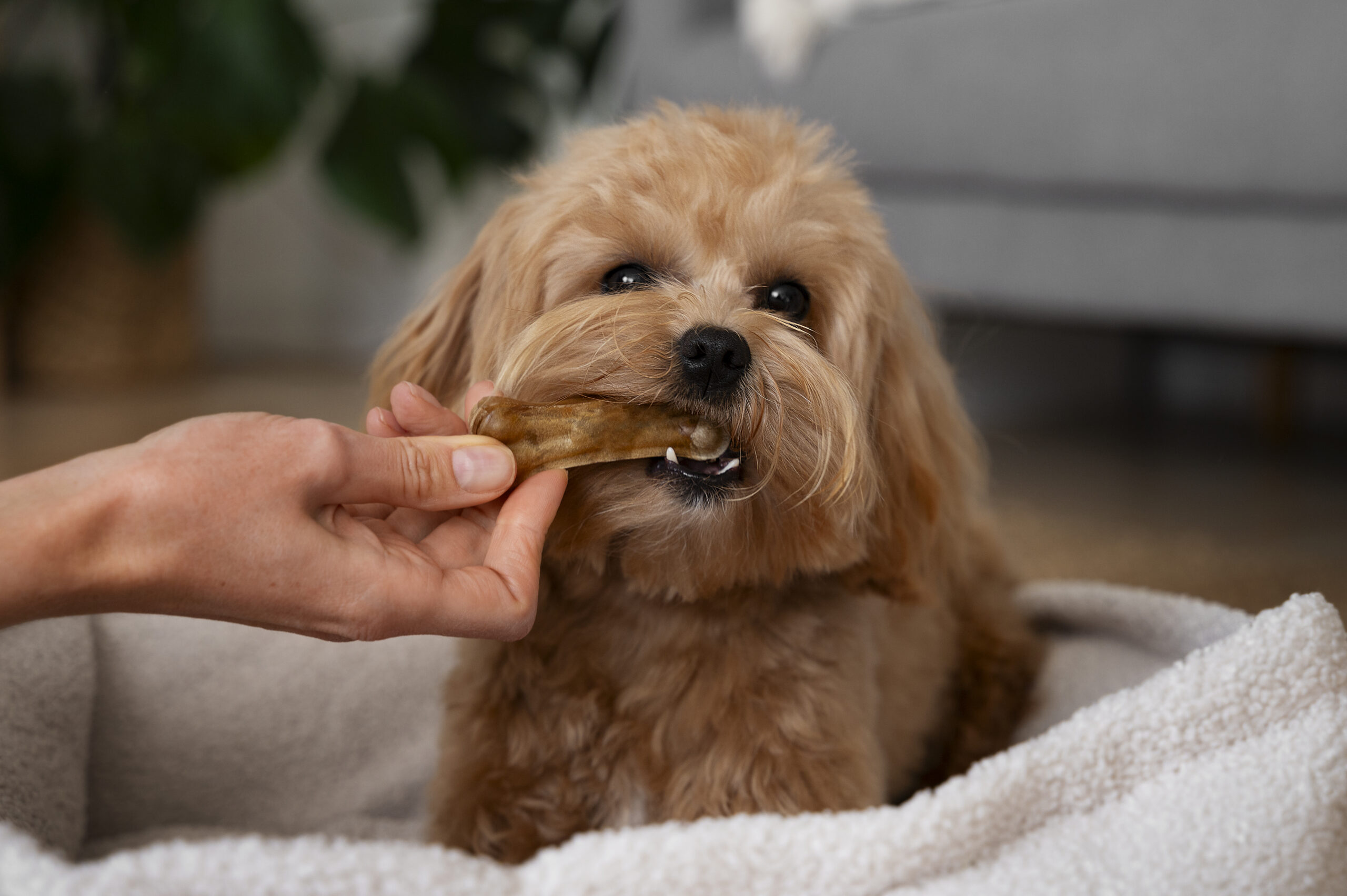
Always have suitable chew toys on hand. Look for toys designed specifically for teething puppies—soft enough to soothe gums but durable enough to last. Rotate toys weekly to keep your puppy interested.
Use Deterrent Sprays
Anti-chew sprays with bitter flavors can make furniture, shoes, or cords unappealing. Spray lightly on problem areas and reapply as needed. Just remember to test a small spot first to avoid damage to surfaces.
Supervise and Confine
When you can’t watch your puppy, use a playpen or crate. Crate training isn’t punishment—it’s a safe space that prevents accidents and limits destructive behavior.
By setting up an environment where good choices are easy and bad ones are impossible, you’ll make faster progress.
Training Your Puppy to Stop Chewing
Training is the cornerstone of good behavior. It’s about teaching your puppy what’s acceptable, not just scolding them for mistakes.
Redirect, Don’t Punish
If you catch your puppy chewing something off-limits, calmly say “no” or “uh-uh,” then offer a chew toy instead. Praise them when they take the toy. Over time, they’ll associate praise with chewing the right things.
Reward Good Behavior
Positive reinforcement is powerful. Whenever your puppy chews a toy instead of your couch, celebrate that choice with treats or affection. Consistency is key—it teaches them what earns your approval.
Establish Clear Boundaries
Use simple, consistent commands. For example, “leave it” can stop your puppy mid-chew when said firmly. Reinforce this with training sessions using treats until it becomes second nature.
Teach Bite Inhibition
Bite inhibition helps puppies control the pressure of their bite. During play, if your puppy nips your hand, let out a quick “ouch” and stop interacting for a few seconds. This mimics how other dogs teach each other limits.
With repetition, your puppy will learn which behaviors are acceptable and which cross the line.
Managing Chewing During Teething Stages
The teething phase is temporary but intense. During this time, your puppy’s gums are sore, and chewing helps ease that pain.
Offer Frozen Treats
Cold helps numb aching gums. Try freezing a wet washcloth, a Kong toy filled with peanut butter, or a puppy-safe ice cube treat. It’s soothing and fun.
Use Puppy Teething Toys
Look for toys made of rubber or nylon that are gentle on growing teeth. Avoid hard bones or antlers—they can crack teeth and cause long-term dental problems.
Monitor for Loose Teeth
As baby teeth fall out, your puppy might experience minor bleeding or discomfort. This is normal. Keep providing chew toys to help loosen teeth naturally and prevent them from swallowing fragments.
By focusing on comfort and redirection, you’ll turn the teething stage from chaos into calm growth.
Dealing with Separation Anxiety Chewing
Chewing that happens when you’re not home is often rooted in anxiety. Puppies miss their humans and act out through destructive chewing.
Create a Comfort Zone
Set up a safe, quiet space with your puppy’s bed, toys, and a piece of your clothing that smells like you. This creates reassurance while you’re away.
Start with Short Absences
Practice leaving for a few minutes, then gradually increase time apart. Don’t make departures or returns overly emotional—it teaches your puppy that your absence isn’t a big deal.
Interactive Toys and Puzzles
Keep your puppy mentally engaged. Puzzle feeders, treat-dispensing balls, and Kongs filled with frozen goodies can occupy them for hours.
Exercise Before You Leave
A well-exercised puppy is less likely to chew from boredom. Take a brisk walk or play fetch to burn off energy before you head out.
Reducing anxiety through reassurance and stimulation goes a long way toward curbing destructive behavior.
Long-Term Chewing Solutions
Stopping chewing isn’t an overnight task—it’s a process. Long-term success comes from consistency, patience, and a bit of strategy.
Maintain Routine and Consistency
Dogs thrive on structure. Feed, walk, and train your puppy at the same times each day. Predictability helps reduce stress and unwanted chewing.
Keep Toys Interesting
Rotate toys weekly to prevent boredom. Introduce new textures occasionally—rope, plush, rubber—to keep their curiosity alive.
Reinforce Training Regularly
Even after your puppy improves, keep practicing commands like “leave it” and “drop it.” This keeps them sharp and prevents old habits from returning.
Address Underlying Issues
If chewing persists despite your best efforts, consult a professional trainer or vet. There could be medical issues, anxiety disorders, or unmet energy needs behind the behavior.
Long-term change is built on trust, structure, and positive reinforcement—not punishment.
Conclusion
Learning how to stop puppy chewing takes patience, but it’s worth every moment. Chewing isn’t bad—it’s a signal your puppy needs guidance, comfort, and engagement. By understanding why they chew and responding with the right tools, you’ll not only protect your belongings but also strengthen your bond.
With time, consistency, and the right approach, you can transform your little chew monster into a calm, well-mannered companion who knows what’s fair game—and what’s not.
FAQ
1. How long does the puppy chewing phase last?
Most puppies stop excessive chewing between 6 to 12 months, though some may take longer depending on breed and energy levels.
2. Can crate training help with chewing?
Yes. Crate training provides structure and prevents access to off-limits items when you can’t supervise your puppy.
3. What should I do if my puppy chews furniture?
Redirect them to a chew toy, use deterrent sprays, and praise them when they chew appropriate items instead.
4. Is chewing ever a sign of aggression?
No, chewing is usually linked to teething, boredom, or anxiety—not aggression. However, consistent biting during play might require behavioral training.
5. How can I make sure my puppy doesn’t chew when alone?
Provide safe chew toys, puzzle feeders, and a calm environment. Gradually build up their independence to reduce separation anxiety.